
AI-powered skin cancer detection tools
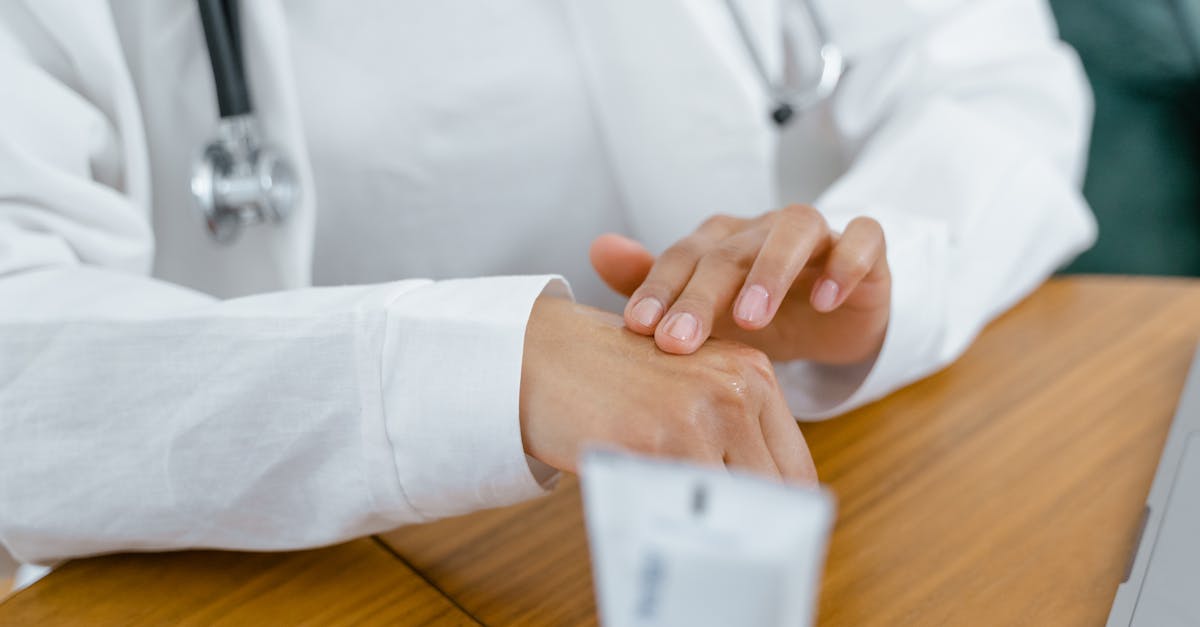
AI tools are transforming skin cancer detection, enhancing diagnostics.
The landscape of medical diagnostics is witnessing a transformative shift, particularly in the realm of oncology. Among various forms of cancer, skin cancer remains one of the most prevalent worldwide. Early detection is crucial for effective treatment, and advancements in technology are playing an increasingly vital role in this area. AI-powered skin cancer detection tools are emerging as promising solutions, leveraging machine learning algorithms to enhance diagnostic accuracy and streamline the screening process. This article explores how these innovative tools are revolutionizing early detection and boosting accuracy in skin cancer screenings.
Revolutionizing Early Detection: AI Tools for Skin Cancer Diagnosis
Artificial intelligence is rapidly becoming a cornerstone in the fight against skin cancer. Traditional methods of diagnosis often rely on visual examinations by dermatologists, which can be subjective and time-consuming. AI tools, specifically those utilizing deep learning algorithms, are trained on vast datasets of skin images, allowing them to identify patterns that may not be immediately apparent to the human eye. This capability enhances the likelihood of catching skin cancer in its earliest stages, when it is most treatable.
Research has demonstrated that AI systems can achieve diagnostic accuracy comparable to that of experienced dermatologists. For instance, several studies have shown that AI algorithms can differentiate between malignant and benign lesions with remarkable precision. The integration of these tools into clinical settings has the potential to reduce the number of unnecessary biopsies and follow-up appointments, ultimately leading to more efficient patient care. By supporting healthcare professionals in their decision-making processes, AI tools can lessen the burden on dermatologists, allowing them to focus on more complex cases.
While AI holds great promise, it is essential to approach its implementation with caution. Ethical considerations, data privacy concerns, and the need for comprehensive regulatory frameworks must be addressed before widespread adoption can occur. Moreover, the interaction between AI tools and healthcare professionals is crucial; the best outcomes are likely to be achieved when AI serves as an adjunct to, rather than a replacement for, human expertise. By fostering collaboration between technology and clinicians, the potential for improved patient outcomes in skin cancer detection can be fully realized.
How AI Enhances Accuracy in Skin Cancer Screening Techniques
The application of AI in skin cancer screening goes beyond mere image recognition. Machine learning algorithms are capable of analyzing a variety of factors, including lesion size, color, and texture, to assess the risk of malignancy more holistically. This multidimensional approach allows for a nuanced understanding of skin lesions, which is vital in preventing misdiagnoses. By incorporating comprehensive data analysis, AI tools can significantly enhance the accuracy of traditional screening methods, thus setting a new standard in dermatology.
Furthermore, AI-powered tools can be integrated into teledermatology platforms, making skin cancer screening more accessible than ever before. Patients in remote or underserved areas can upload images of their skin lesions, which can then be analyzed by AI algorithms. This accessibility not only democratizes healthcare but also encourages individuals to seek screening without the barriers of travel or cost. As a result, earlier detection rates can improve, potentially leading to better treatment outcomes and lowered mortality rates.
Despite the advancements presented by AI, it is important to acknowledge that these tools are not infallible. The accuracy of AI systems is heavily dependent on the quality and diversity of the training data. Continuous updates and retraining of algorithms are necessary to ensure they remain effective in various populations and skin types. Collaboration with dermatologists to validate AI findings and to refine algorithms based on real-world feedback is essential for maintaining high accuracy levels. Ultimately, the goal is to create a synergistic relationship between AI technology and dermatological expertise, enhancing the overall quality of patient care.
AI-powered skin cancer detection tools represent a significant advancement in the field of medical diagnostics. By revolutionizing early detection and enhancing the accuracy of screening techniques, these tools offer promising solutions to combat the rising incidence of skin cancer. While the integration of AI into healthcare is not without its challenges, the potential benefits of improved accuracy and accessibility cannot be overlooked. As technology continues to evolve, ongoing collaboration between AI systems and healthcare professionals will be crucial in ensuring the best possible outcomes for patients facing skin cancer.