
AI-powered remote cancer monitoring in rural India
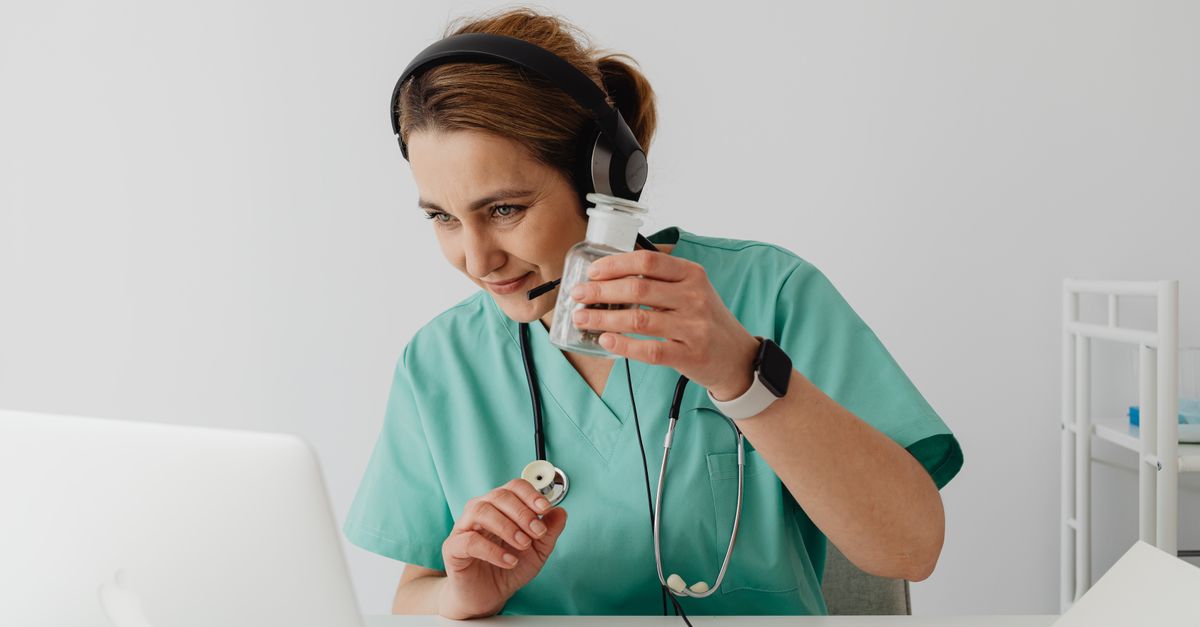
AI enhances cancer monitoring for rural patients in India.
In a country as diverse and expansive as India, the challenge of delivering effective healthcare, particularly for chronic conditions like cancer, remains a significant hurdle. Rural areas often face a shortage of medical facilities, specialists, and resources, making it difficult for patients to receive timely diagnosis and treatment. To address these challenges, AI-powered remote cancer monitoring has emerged as a promising solution, facilitating better healthcare access for patients in underserved regions. This article explores how AI technology is transforming cancer care in rural India, enhancing patient outcomes and bridging the healthcare gap.
Transforming Cancer Care: AI Solutions for Rural India
AI technology is revolutionizing healthcare by enabling more efficient and accurate monitoring of cancer patients. In rural India, where access to oncologists and advanced medical equipment is often limited, AI solutions can provide essential support. Remote monitoring systems can collect data from patients through wearables, mobile applications, and telemedicine platforms, allowing healthcare providers to track vital signs, treatment adherence, and side effects in real-time. This digital infrastructure empowers healthcare teams to make informed decisions without requiring patients to travel long distances.
Moreover, AI algorithms can analyze vast amounts of data to identify patterns in patient responses to treatment. By leveraging machine learning, these systems can predict potential complications, enabling early intervention and personalized treatment plans tailored to individual patient needs. This not only enhances the efficacy of cancer treatment but also fosters a sense of security among patients who may otherwise feel isolated due to geographical barriers. As a result, AI is not just a technological tool; it is reshaping the landscape of cancer care in rural India.
Furthermore, collaboration between technology companies and healthcare organizations is essential for implementing these solutions effectively. Initiatives aimed at training local healthcare workers to use AI tools can foster greater acceptance and understanding of these technologies. Investment in infrastructure, such as better internet connectivity and mobile health applications, is also crucial for the success of AI-powered remote monitoring. By combining cutting-edge technology with ground-level support, rural India can witness a transformation in cancer care that was once thought unattainable.
Bridging Gaps: Remote Monitoring and Patient Accessibility
The integration of AI-powered remote monitoring systems can significantly enhance patient accessibility to cancer care in rural areas. Traditional healthcare delivery models often require patients to visit urban centers for consultations and follow-ups, which can be physically and financially burdensome. Remote monitoring alleviates this challenge by allowing patients to receive care from the comfort of their homes. Through video consultations, mobile apps, and remote diagnostic tools, patients can maintain regular contact with healthcare professionals, ensuring they do not miss crucial appointments or treatment adjustments.
In addition to improving access, remote monitoring can lead to better patient engagement and adherence to treatment protocols. With AI-driven alerts and reminders, patients are more likely to keep track of their medications and follow prescribed regimens. This proactive approach is essential in managing cancer, where timely treatment and adherence can significantly impact outcomes. By fostering a sense of accountability and support, remote monitoring encourages patients to take an active role in their health, ultimately leading to improved survival rates.
Lastly, remote monitoring can also facilitate data collection on cancer incidence and treatment outcomes in rural areas, which is often lacking in existing healthcare frameworks. Such data insights can inform public health policies and resource allocation, enabling governments and organizations to identify areas in need of intervention. By bridging the gap between rural patients and quality cancer care, AI-powered monitoring not only enhances individual patient experiences but also contributes to the broader goal of equitable healthcare in India.
AI-powered remote cancer monitoring presents a transformative solution to the challenges faced by patients in rural India. By leveraging advanced technology, this approach enhances accessibility, empowers patients, and fosters a proactive model of care. As healthcare professionals and technology providers continue to collaborate, there is immense potential to improve cancer care delivery in underserved communities. Ultimately, bridging these gaps not only serves to elevate individual patient experiences but also strengthens the overall healthcare system, paving the way for a healthier future for all.