
AI-powered pathology quality assurance systems
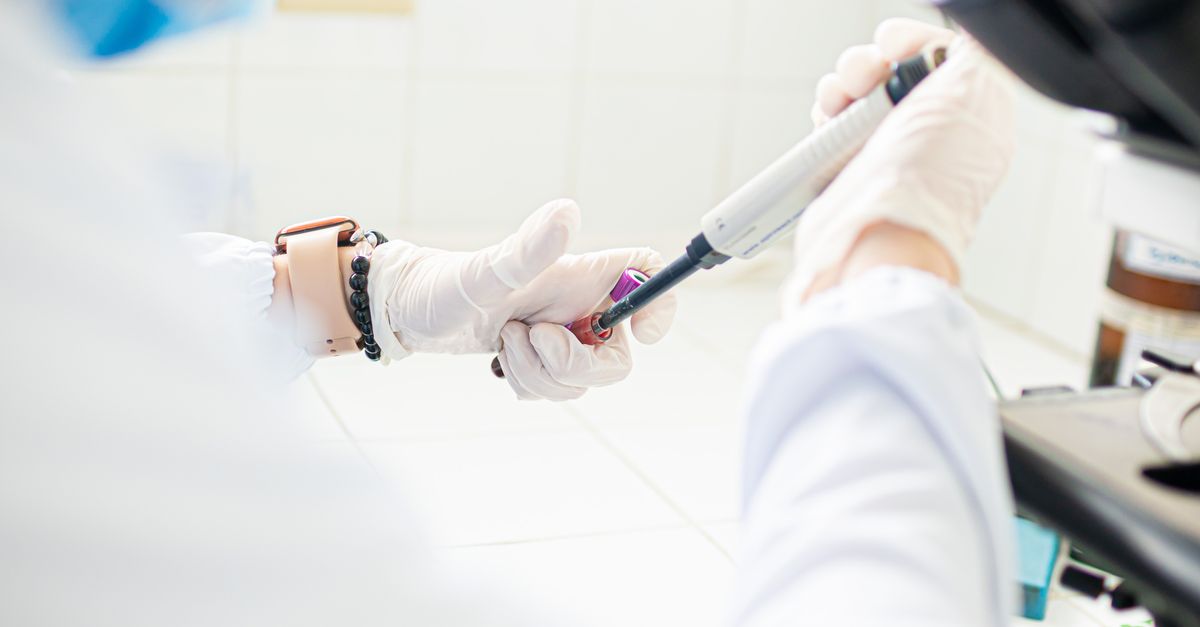
AI systems enhance pathology quality assurance, boosting accuracy.
In recent years, the integration of artificial intelligence (AI) in healthcare has evolved from theoretical discussions to practical applications. One of the most promising areas is pathology, where AI-powered quality assurance systems are revolutionizing how diagnostic accuracy is monitored and maintained. These systems employ complex algorithms to analyze vast amounts of data, enabling pathologists to make more informed decisions and ultimately enhancing patient care. This article explores the impact of AI on pathology quality assurance, its current applications, and its future potential in the healthcare ecosystem.
Enhancing Accuracy with AI in Pathology Quality Assurance
AI-powered pathology quality assurance systems primarily focus on improving diagnostic accuracy by leveraging machine learning and deep learning technologies. These systems can analyze histopathological images with remarkable precision, identifying patterns that may be overlooked by the human eye. By integrating AI algorithms with existing pathology workflows, healthcare institutions can significantly reduce the rates of misdiagnosis, which is a critical concern in clinical settings. Studies have shown that when AI is employed to assist pathologists, diagnostic agreement improves, leading to more accurate and reliable results.
Furthermore, these systems not only enhance the accuracy of individual diagnoses but also provide a continuous feedback loop for pathologists. AI can assess the performance of pathology labs in real-time, highlighting discrepancies in diagnostic practices and offering recommendations for improvement. This data-driven approach fosters a culture of accountability and quality assurance, encouraging pathologists to refine their skills and practices. As a result, AI acts as a supportive tool that empowers healthcare professionals while preserving the essential human oversight crucial to clinical decision-making.
Another significant advantage of AI in pathology quality assurance is its potential to streamline operations in laboratories. By automating routine tasks such as image analysis and data documentation, AI systems can free up pathologists to focus on complex cases that require human intervention. This efficiency not only reduces the workload on healthcare professionals but also accelerates the turnaround time for diagnoses. As a consequence, patients can receive timely treatment, which is vital for better health outcomes.
The Future of Healthcare: AI's Role in Pathology Systems
Looking ahead, the role of AI in pathology quality assurance is set to expand further, driven by advancements in technology and data analytics. As the healthcare sector continues to digitize, AI systems will have access to an increasingly larger pool of data, allowing for more sophisticated machine learning models that can predict, diagnose, and recommend treatments with greater accuracy. This evolution could lead to the development of personalized medicine strategies, where pathology results are tailored to individual patient needs, enhancing the efficacy of treatment protocols.
However, the integration of AI into pathology does not come without challenges. Ethical considerations, data privacy concerns, and the need for regulatory frameworks are all critical issues that must be addressed. To ensure these systems are safe and effective, collaboration among healthcare professionals, technologists, and policymakers is essential. Engaging in ongoing dialogues about the ethical implications and ensuring that AI systems are transparent and interpretable will be crucial as these technologies become more prevalent in clinical settings.
Moreover, education and training will play a pivotal role in the successful implementation of AI-powered pathology systems. As these tools become an integral part of pathology practice, it will be vital for healthcare professionals to develop a solid understanding of AI technologies. This not only includes how to utilize these tools effectively but also understanding their limitations and the importance of maintaining a human touch in the diagnostic process. A well-rounded approach that combines AI capabilities with human expertise will be critical to realizing the full potential of these systems in improving patient care.
AI-powered pathology quality assurance systems represent a significant leap forward in enhancing diagnostic accuracy and operational efficiency within healthcare. While the advantages of these systems are clear, it’s essential to navigate the accompanying challenges responsibly, ensuring ethical standards and professional training are prioritized. As the healthcare landscape continues to evolve, the collaboration between AI and human expertise will be pivotal, promising a future where patient care is not only more accurate but also more personalized. As we look ahead, ongoing dialogue and education will be essential in harnessing the full potential of AI in pathology and beyond.