
AI-Powered MRI and CT Scan Analysis: Revolutionizing Diagnostics
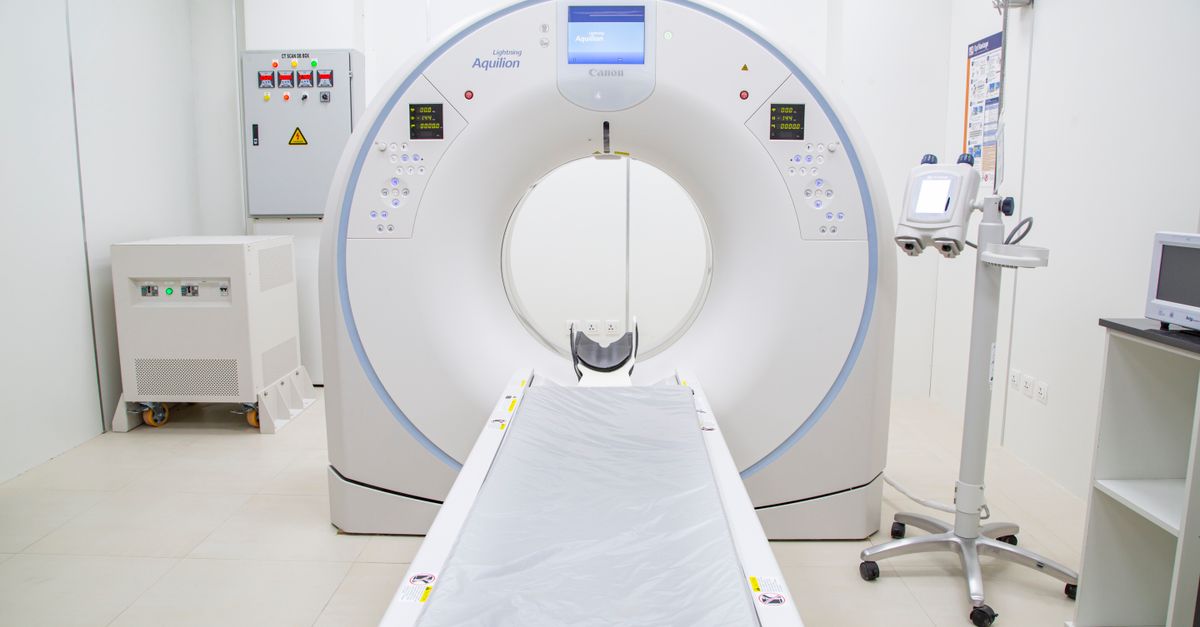
AI-driven analysis of MRI and CT scans is transforming diagnostics, offering faster, more accurate results that could redefine patient care.
In a world where speed and accuracy in medical diagnostics can mean the difference between life and death, AI-powered MRI and CT scan analysis is emerging as a game-changer. These advanced technologies are not just augmenting the capabilities of radiologists but are fundamentally transforming how healthcare providers approach diagnostics. With AI, the interpretation of complex imaging data is becoming faster, more precise, and more accessible, promising to enhance patient outcomes dramatically.
Why AI Integration is Essential
The sheer volume of imaging data generated today is staggering. Radiologists are often inundated with thousands of images daily, a workload that can lead to fatigue and, consequently, errors. AI integration into MRI and CT scan analysis offers a solution by efficiently processing vast amounts of data and identifying patterns that may be overlooked by the human eye. According to a study published in The Lancet Digital Health, AI systems can reduce diagnostic errors by as much as 15%, ensuring more accurate assessments.
How AI Enhances Diagnostic Accuracy
AI algorithms are designed to learn and improve over time, enabling them to detect anomalies in medical images with increasing precision. For instance, deep learning models can be trained to recognize specific patterns associated with diseases such as tumors, fractures, or infections. This capability is crucial in cancer detection, where early and accurate diagnosis can significantly affect treatment outcomes. A report by Stanford University highlighted that AI systems have matched or even surpassed human experts in diagnosing certain conditions from imaging data.
Challenges and Ethical Considerations
Despite its potential, the integration of AI in medical imaging is not without challenges. One of the primary concerns is the quality and diversity of data used to train AI systems. Bias in training data can lead to disparities in diagnosis across different patient demographics. Furthermore, there is the issue of data privacy, as sensitive patient information must be protected in compliance with regulations such as HIPAA. Ensuring that AI systems are transparent and accountable is essential to building trust among healthcare providers and patients alike.
The Economic Implications for Healthcare Systems
While the initial investment in AI technology can be significant, the long-term economic benefits for healthcare systems are promising. AI-powered imaging tools can lead to cost savings by reducing the need for repeat scans, minimizing diagnostic errors, and optimizing resource allocation. For instance, the American Hospital Association estimates that AI could save the U.S. healthcare system up to $150 billion annually by 2026. These savings can then be redirected towards improving healthcare access and quality.
Looking Ahead: The Future of AI in Imaging
The future of AI in MRI and CT scan analysis is bright, with continuous advancements expected in algorithm accuracy and application scope. Companies like Google Health and IBM Watson are investing heavily in research and development, aiming to refine AI's capabilities further. As these technologies evolve, they promise not only to enhance diagnostic accuracy but also to personalize treatment plans, thereby improving patient care. As Dr. Eric Topol, a prominent figure in digital health, notes, "The integration of AI into medical imaging is not just an enhancement—it's a paradigm shift."