
AI-powered early cancer detection in India 2026
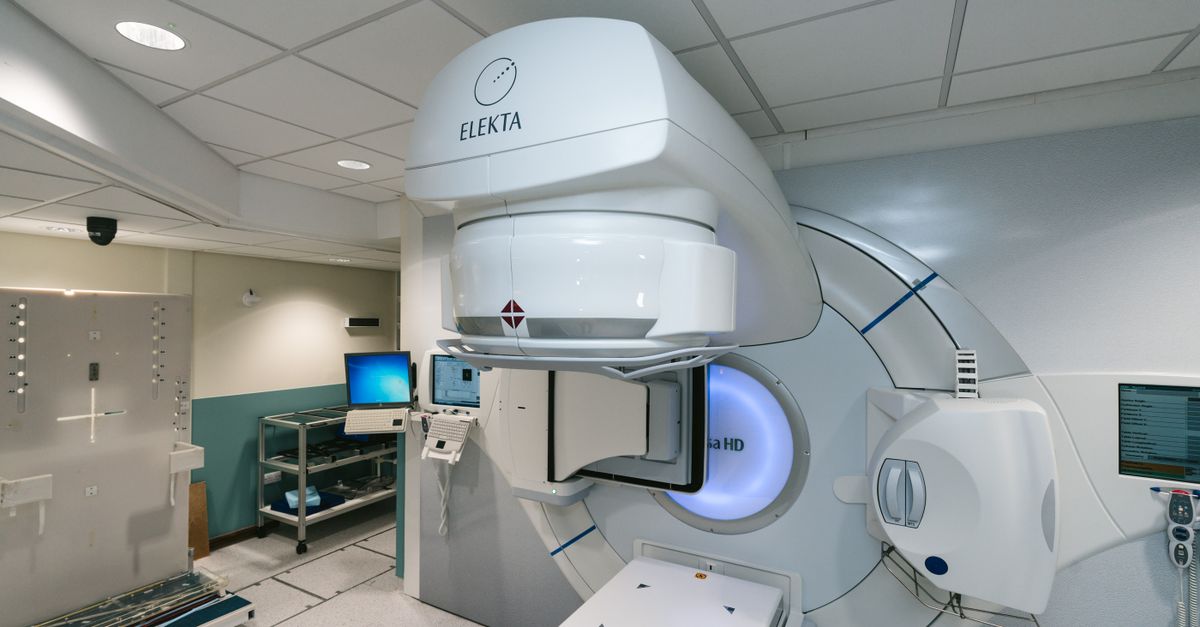
AI enhances early cancer detection efforts in India, 2026.
Revolutionizing Early Cancer Detection: AI Innovations in India
===
In recent years, the landscape of healthcare in India has witnessed remarkable advancements, particularly in the realm of cancer detection. As we step into 2026, artificial intelligence (AI) stands at the forefront of this transformation, enabling earlier and more accurate detection of various cancers. This evolution not only enhances patient outcomes but also holds significant implications for healthcare accessibility across the nation.
AI technologies are now being integrated into cancer screening processes, utilizing vast datasets and complex algorithms to identify patterns that may elude even seasoned medical professionals. These innovations help in the early diagnosis of cancers such as breast, cervical, and lung, which are among the most prevalent in India. By streamlining the detection process, AI has the potential to significantly reduce the burden of late-stage diagnosis and improve survival rates.
Moreover, the accessibility of AI-powered diagnostic tools is expanding in both urban and rural settings. Initiatives are underway to adapt these technologies to local healthcare environments, bridging the gap between high-tech solutions and grassroots healthcare needs. This democratization of cancer screening is poised to empower healthcare workers and patients alike, making early cancer detection a reality for millions across India.
The Role of AI in Shaping India's Cancer Screening Landscape
As AI continues to evolve, its role in shaping India's cancer screening landscape cannot be overstated. Machine learning algorithms are being employed to analyze medical imaging, pathology reports, and even genetic data, leading to more precise diagnostics. For instance, AI systems have shown promise in detecting abnormalities in mammograms and biopsies with high accuracy, thereby serving as invaluable tools for radiologists and pathologists.
The government and various private organizations are actively investing in research and development to enhance AI applications in oncology. Collaborations with tech companies and healthcare institutions are fostering an environment where innovations can be tested and implemented effectively. This synergistic approach not only accelerates the development of cutting-edge AI solutions but also ensures they are tailored to address the unique challenges posed by cancer in India.
Furthermore, ongoing training programs for healthcare professionals are vital to ensure the effective integration of AI technologies into clinical practice. By equipping doctors with the necessary skills to interpret AI-generated insights, the healthcare system can maximize the benefits of these advancements. As a result, the combination of human expertise and AI-driven tools is expected to create a more robust early detection framework, ultimately leading to improved outcomes for cancer patients across the country.
===
In summary, the integration of AI in early cancer detection is set to revolutionize the healthcare landscape in India by 2026. With its ability to enhance diagnostic accuracy and accessibility, AI has the potential to play a crucial role in early intervention strategies. As stakeholders continue to collaborate and innovate, the vision of a healthcare system where early cancer detection is commonplace is becoming increasingly attainable. However, it remains essential to approach these advancements with caution, ensuring that healthcare professionals are supported in navigating this new technological frontier for the benefit of all patients.