
AI-Powered Diagnostics: The Next Frontier in U.S. Healthcare
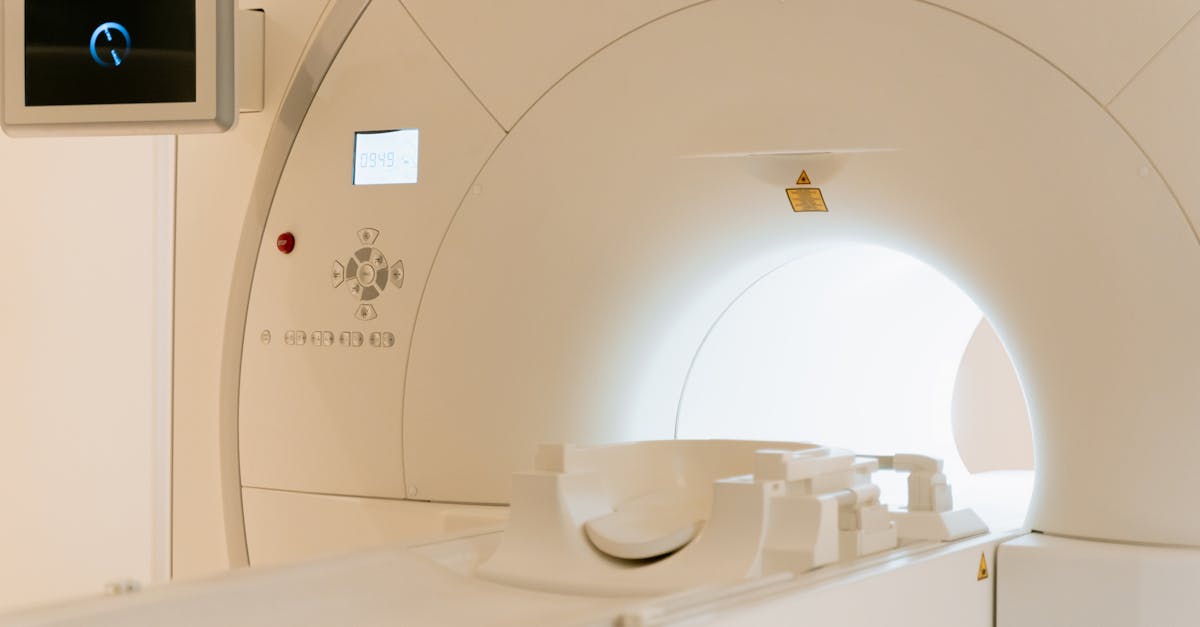
AI diagnostics are reshaping U.S. healthcare by enhancing accuracy and efficiency, with FDA approvals paving the way.
Artificial intelligence (AI) is progressively transforming the landscape of medical diagnostics in the United States. With the FDA's increasing approval of AI-driven diagnostic tools, the potential for these technologies to enhance accuracy, efficiency, and early detection in healthcare settings is becoming a tangible reality. As AI capabilities expand, both providers and patients may soon experience a new era of precision medicine.
The FDA's Role in AI Diagnostic Tools
The Food and Drug Administration (FDA) plays a critical role in the integration of AI into healthcare diagnostics. Over the past few years, the FDA has approved a growing number of AI-powered diagnostic applications. For instance, in 2018, the FDA greenlit the first AI-based device designed to detect diabetic retinopathy, a significant milestone that set the stage for further innovations. By fast-tracking approvals and establishing guidelines, the FDA is ensuring that these technologies meet rigorous standards for safety and efficacy.
Impact on U.S. Hospital Systems
For hospital systems across the United States, the adoption of AI diagnostics promises to revolutionize patient care. AI tools can process vast data sets rapidly, assisting in diagnosing conditions such as cancers, cardiovascular diseases, and neurological disorders with greater precision. This capability not only enhances diagnostic accuracy but also reduces the time and cost associated with traditional testing methods.
Moreover, AI diagnostics can alleviate some of the burdens on healthcare professionals by streamlining workflows and reducing administrative overhead. A study from the Journal of the American Medical Association (JAMA) suggests that AI tools could reduce diagnostic errors by up to 30%, a significant improvement that could lead to better patient outcomes and reduced malpractice claims.
Challenges and Considerations
Despite the promising prospects, integrating AI into diagnostics is not without challenges. Concerns about data privacy and security remain paramount, especially given the sensitive nature of health information. The Health Insurance Portability and Accountability Act (HIPAA) sets strict guidelines for patient data, and AI developers must ensure compliance to protect patient privacy.
Additionally, the complexity of AI algorithms can sometimes lead to a lack of transparency, making it difficult for healthcare providers to understand how certain diagnostic conclusions are reached. This "black box" issue necessitates ongoing collaboration between AI developers and healthcare professionals to ensure clarity and trust in AI systems.
Economic Implications for Payers and Providers
The economic implications of AI diagnostics are profound. On one hand, the initial investment in AI systems can be substantial, which may deter smaller healthcare providers. However, the long-term savings from improved diagnostic accuracy and efficiency can offset these costs, making AI a worthwhile investment.
For payers such as Medicare and Medicaid, AI diagnostics offer the potential for substantial cost savings by reducing unnecessary tests and hospital readmissions. The Centers for Medicare & Medicaid Services (CMS) are already exploring reimbursement models that incentivize the use of AI technologies, recognizing their potential to enhance care quality and reduce overall expenditures.
The Path Forward
As AI-powered diagnostics continue to evolve, their integration into U.S. healthcare systems is likely to accelerate. Collaboration among regulatory bodies, healthcare providers, and technology developers will be crucial in overcoming current challenges and maximizing the benefits of AI diagnostics. The National Institutes of Health (NIH) has already launched several initiatives to support research in this area, highlighting a commitment to advancing AI's role in healthcare.
Ultimately, the future of AI diagnostics in the United States hinges on balancing innovation with regulation and ethics. As one healthcare executive noted, "We are on the verge of a transformation that could redefine patient care, but it requires us to navigate these changes thoughtfully and collaboratively." With the right frameworks, AI diagnostics have the potential to significantly improve health outcomes across the nation.