
AI-Powered Clinical Decision Support: Transforming Healthcare
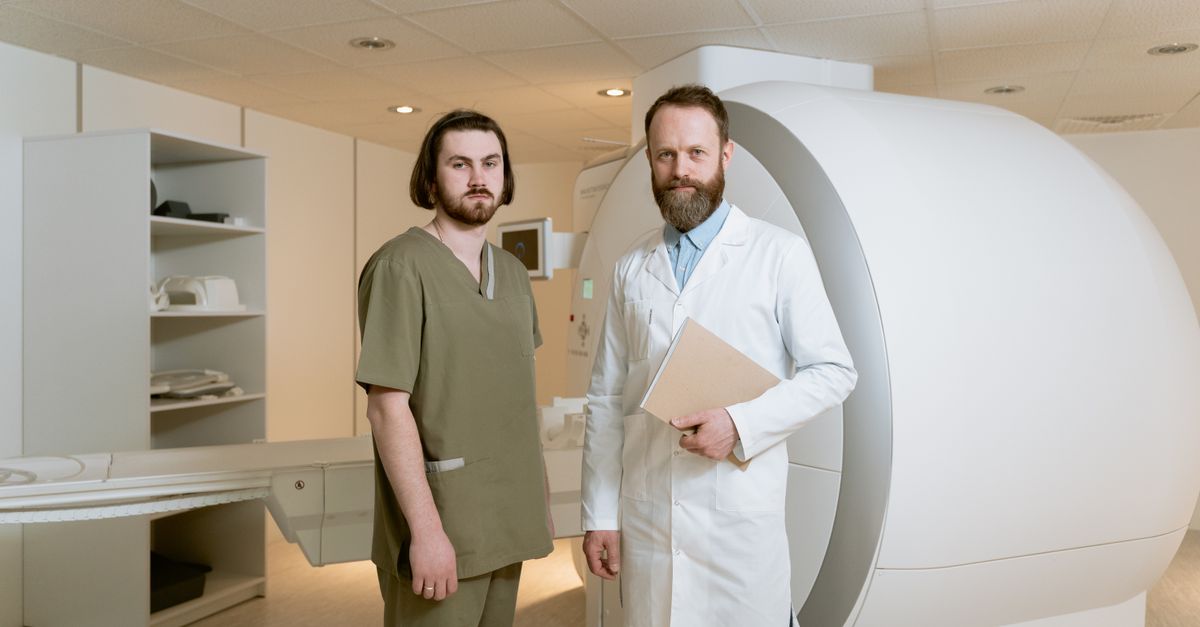
AI in clinical decision support reshapes diagnosis and treatment, improving patient outcomes and reducing costs.
Artificial intelligence (AI) is no longer a futuristic concept but a present-day reality reshaping the healthcare landscape. One of its most impactful applications is in clinical decision support systems (CDSS), which are transforming how healthcare professionals diagnose and treat patients. These systems, powered by AI, promise to enhance decision-making processes, reduce errors, and personalize patient care, thereby potentially improving outcomes and reducing costs.
The Mechanics of AI-Powered Decision Support
AI-driven CDSS utilize complex algorithms and vast data sets to provide evidence-based recommendations to healthcare providers. These systems analyze patient data, including medical history, lab results, and imaging studies, to assist clinicians in making more informed decisions. By processing large volumes of information quickly, AI can identify patterns and correlations that might be overlooked by human observers.
For instance, IBM's Watson Health has been at the forefront, using its AI capabilities to assist oncologists in determining the most effective cancer treatments. By analyzing clinical trial data and patient records, Watson can suggest treatment options that align with the latest research, potentially improving patient outcomes.
Why AI-Driven CDSS Matter
Incorporating AI into CDSS addresses several critical issues in healthcare. First, it helps mitigate the risk of human error, which is a significant concern given the complexity of modern medicine. A 2016 study published in The BMJ identified medical errors as the third leading cause of death in the United States, underscoring the need for systems that support accurate and efficient decision-making.
Moreover, AI-powered CDSS can greatly enhance the personalization of care. By analyzing individual patient data, these systems can tailor recommendations to the specific needs and conditions of each patient, moving away from a one-size-fits-all approach. This is particularly beneficial in managing chronic diseases, where treatment plans must adapt to the evolving health status of patients.
Challenges in Implementation
Despite their potential, AI-powered CDSS face significant challenges. One of the primary concerns is the integration of these systems into existing clinical workflows. Healthcare providers may resist adopting new technologies due to concerns about time consumption, potential disruptions, and the reliability of AI recommendations.
Data privacy and security are also major hurdles. In an era where data breaches are increasingly common, the healthcare sector must ensure that patient data used by AI systems are protected. Adhering to regulations such as the Health Insurance Portability and Accountability Act (HIPAA) is crucial to maintaining patient trust.
Furthermore, there is the issue of bias in AI algorithms. These systems are only as good as the data they are trained on. If training data lacks diversity, AI recommendations may not be equitable across different population groups, potentially leading to disparities in care.
The Future of AI in Healthcare
The trajectory of AI in clinical decision support is promising, as ongoing advancements in machine learning and data analytics continue to enhance these systems' capabilities. As technology evolves, we can expect more sophisticated systems that not only support decision-making but also engage in predictive analytics, potentially identifying health risks before they manifest.
Educational initiatives will be crucial in bringing both clinicians and patients on board with AI-powered CDSS. By fostering an understanding of the benefits and limitations of these technologies, healthcare systems can ensure a smoother transition and greater acceptance.
Ultimately, the integration of AI into clinical decision-making heralds a new era in healthcare where data-driven insights could become the norm, leading to more efficient, personalized, and safer patient care. "As we look to the future, the potential for AI to revolutionize healthcare is vast, and its role in clinical decision support is just the beginning," says Dr. Emily Zhang, a data scientist specializing in medical technologies.