
AI patient scheduling software with real time updates
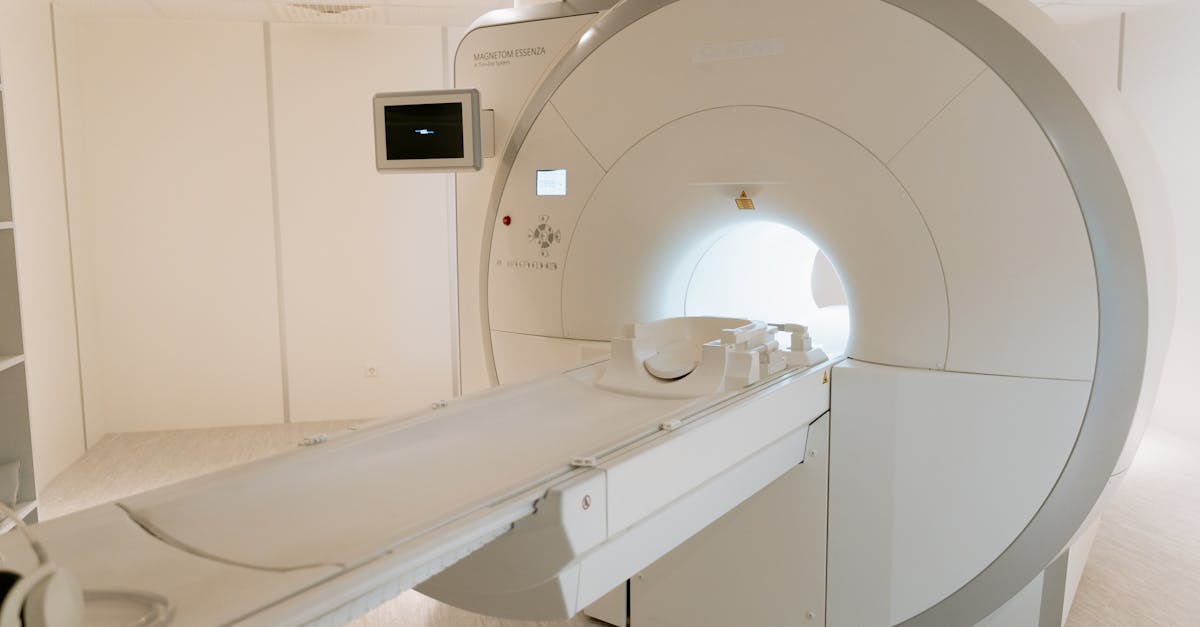
AI-powered scheduling enhances patient care with real-time updates.
In an increasingly digital world, healthcare systems are evolving to meet the demands of efficiency and patient satisfaction. One noteworthy advancement in this realm is the integration of Artificial Intelligence (AI) in patient scheduling software. These systems not only streamline appointment bookings but also provide real-time updates, significantly enhancing the overall healthcare experience. This article explores the implications and benefits of AI-driven patient scheduling software with real-time updates, emphasizing its potential to revolutionize healthcare operations.
Enhancing Healthcare Efficiency with AI Scheduling Solutions
AI patient scheduling software is designed to optimize the complex process of appointment management in healthcare settings. Traditional scheduling methods often involve manual processes that are time-consuming and prone to errors. By leveraging AI algorithms, these systems can analyze patterns in patient behavior, available resources, and even staff schedules to automate and improve the booking process. This automation not only reduces the administrative burden on healthcare providers but also minimizes the potential for double-booking or scheduling conflicts, which can frustrate patients and providers alike.
Moreover, the integration of AI in scheduling software can lead to better resource allocation. Hospitals and clinics can anticipate peak hours and adjust staffing levels accordingly, ensuring that patient care is not compromised during busy periods. AI's predictive capabilities can also help in identifying patient no-shows, allowing healthcare facilities to fill those gaps with other patients, ultimately maximizing the use of available time slots. As a result, healthcare providers can offer more timely appointments, improving overall patient access and satisfaction.
Furthermore, AI scheduling solutions can enhance communication between patients and healthcare providers. Patients often face challenges when trying to navigate appointment systems, especially when they need to make changes. AI-driven platforms can provide users with easy-to-use interfaces that allow them to reschedule appointments without extensive waiting times or complicated processes. This not only enhances patient engagement but also fosters a sense of ownership over their healthcare journey, leading to better adherence to treatment plans and follow-up care.
Real-Time Updates: Transforming Patient Management Systems
One of the standout features of AI patient scheduling software is its ability to provide real-time updates to both healthcare providers and patients. These updates can include changes in appointment availability, reminders for upcoming visits, and notifications about delays or cancellations. Such transparency fosters trust between patients and healthcare providers, as patients feel more informed and valued in their care journey. The immediacy of information can drastically reduce anxiety for patients who are often already apprehensive about medical appointments.
Real-time updates also play a crucial role in managing clinic operations effectively. For instance, if a physician is running behind schedule due to unforeseen circumstances, the scheduling software can automatically notify affected patients, offering them the option to reschedule or wait. This capability reduces frustration for patients and optimizes the workflow for healthcare staff, ensuring that operations run smoothly even in unpredictable situations. Additionally, timely updates can help in managing patient flow, allowing facilities to maintain a steady pace throughout the day.
Furthermore, the integration of real-time updates enhances data collection and analytics, providing healthcare facilities with valuable insights into patient behavior and preferences. By analyzing these patterns, clinics can refine their scheduling processes, resulting in a more personalized approach to patient care. As healthcare providers gain insights from real-time data, they can make informed decisions that lead to improved patient outcomes, a crucial aspect in today's value-based care environment.
The emergence of AI patient scheduling software equipped with real-time updates marks a significant step forward in healthcare management. By enhancing efficiency, improving communication, and providing actionable insights, these systems have the potential to transform how healthcare providers interact with patients. As the industry continues to embrace technology, the benefits of such innovations will likely extend beyond mere convenience, ultimately leading to better care and patient experiences. As always, it is essential for patients to engage with qualified healthcare professionals, ensuring they make informed decisions about their health.