
AI Monitors Night Coughs to Forecast Flu, COVID-19 Surges
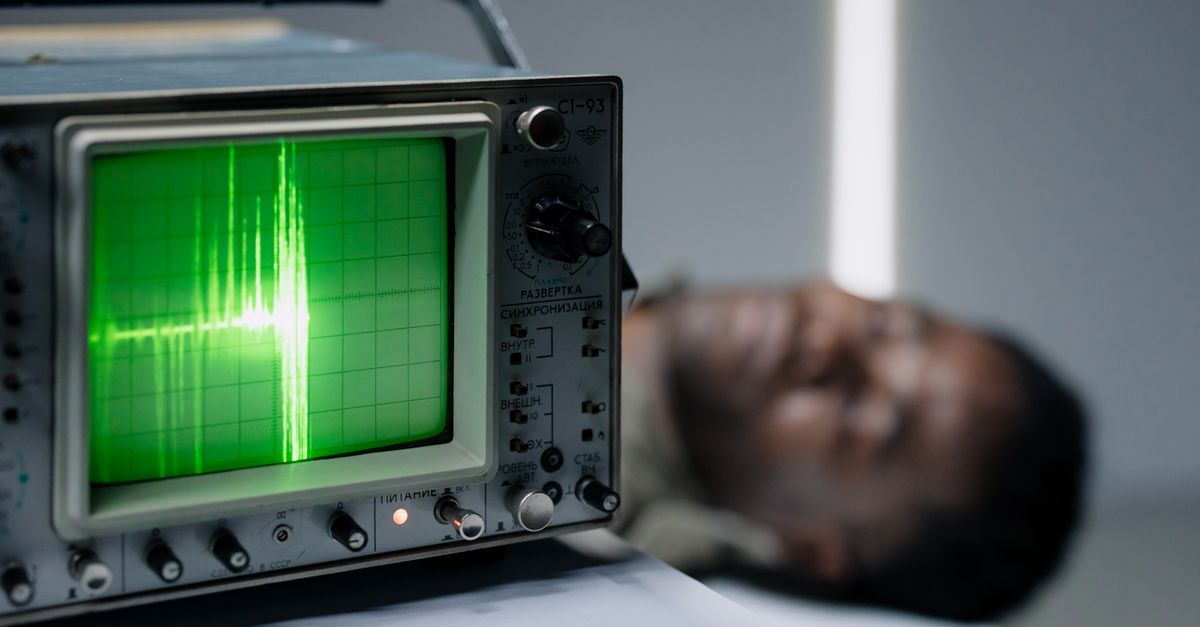
AI technology is tapping into night-time cough patterns to predict upcoming flu and COVID-19 waves, offering a new tool for public health.
Researchers are exploring innovative ways to predict flu and COVID-19 outbreaks by analyzing night-time cough patterns. This novel approach involves artificial intelligence (AI) systems that monitor and interpret cough data, potentially offering a new method for public health surveillance.
AI Technology in Healthcare Surveillance
AI's role in healthcare continues to expand, and its application in monitoring respiratory symptoms is gaining attention. By analyzing the frequency and intensity of night-time coughs, AI can identify trends that may indicate the onset of viral outbreaks. This data-driven approach offers a proactive way to anticipate public health challenges.
Current models rely heavily on hospital data and testing rates, which can lag behind real-time virus spread. AI systems, however, can provide immediate insights by continuously analyzing cough patterns from a large population. This could allow health officials to respond more swiftly to emerging threats.
Challenges and Opportunities
While the potential benefits are significant, challenges remain. The accuracy of AI models depends on the quality and quantity of data collected. Ensuring privacy and data security is also crucial, as the technology relies on sensitive health information. Moreover, integration into existing public health frameworks requires careful planning and collaboration.
Despite these hurdles, the integration of AI into health monitoring systems presents an exciting opportunity. By refining predictive models and ensuring ethical data use, this technology could revolutionize how we manage infectious diseases.
Implications for Public Health
The ability to predict flu and COVID-19 waves could transform public health strategies. Early warnings would enable better resource allocation, such as vaccine distribution and hospital staffing. Furthermore, individuals could receive tailored health recommendations based on real-time data, potentially reducing transmission rates.
As researchers continue to develop and test these AI systems, the future of pandemic preparedness may look very different. Harnessing technology to monitor symptoms like coughs could be a key component in safeguarding global health.