
AI and IoT: Transforming the Future of Healthcare Delivery
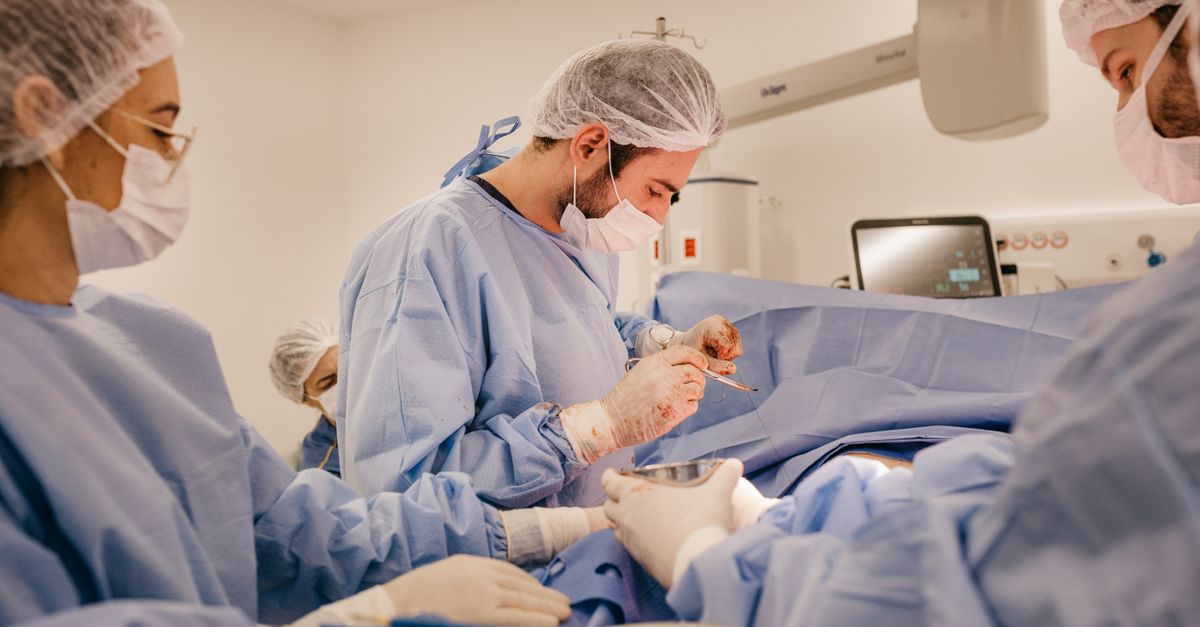
AI and IoT technologies are revolutionizing healthcare by enhancing patient monitoring and improving data analytics.
In the bustling corridors of modern hospitals, a quiet revolution is underway. Artificial Intelligence (AI) and the Internet of Things (IoT) are beginning to redefine patient care, promising to elevate healthcare delivery to unprecedented levels of efficiency and precision. The convergence of these technologies is not only enhancing patient monitoring but also offering invaluable insights to healthcare providers, enabling more informed decision-making.
How AI and IoT Are Enhancing Patient Monitoring
One of the most significant applications of AI in IoT for healthcare is in patient monitoring. Smart devices equipped with sensors can continuously track vital signs, such as heart rate, temperature, and blood pressure, transmitting real-time data to healthcare providers. This constant stream of information allows for the detection of anomalies at an early stage, potentially preventing serious health issues.
For instance, smart wearables and implantable devices can alert medical staff to irregular heart rhythms or respiratory problems, prompting timely interventions. Such proactive monitoring is particularly beneficial for patients with chronic conditions, who require consistent oversight to manage their health effectively.
Data Analytics and Predictive Insights
Beyond monitoring, the integration of AI with IoT in healthcare extends to data analytics. The massive influx of data from IoT devices can be overwhelming, but AI helps in parsing through this data to extract meaningful patterns and insights. Machine learning algorithms can analyze past and present health data to predict future health events, allowing for preemptive measures.
For example, AI-driven analytics can forecast potential outbreaks of diseases within a hospital or a community, enabling healthcare providers to allocate resources more efficiently. Predictive insights derived from AI can also aid in personalized medicine, tailoring treatments to individual patient needs based on historical data and genetic makeup.
The Role of AI in Operational Efficiency
The implementation of AI and IoT in healthcare is not limited to clinical environments. These technologies are also enhancing operational efficiency within healthcare facilities. AI can optimize scheduling, reduce wait times, and manage the logistics of patient flow, all of which contribute to a more streamlined healthcare experience.
Moreover, IoT-enabled devices such as smart beds can monitor patient movement and automatically adjust settings to prevent bedsores, enhancing patient comfort and care. Integrating AI into these systems allows for predictive maintenance, reducing downtime and ensuring that equipment is always ready for use.
Challenges and Ethical Considerations
Despite the promising advancements, the integration of AI and IoT in healthcare is not without challenges. Data privacy and security are paramount concerns, as the proliferation of connected devices increases the risk of cyberattacks. Healthcare providers must adopt rigorous security protocols to protect sensitive patient data.
Additionally, there are ethical considerations surrounding the use of AI in healthcare. Ensuring that AI algorithms are free from bias and that they make ethical decisions in patient care remains a significant hurdle. Continuous monitoring and regulation are essential to address these issues.
Looking Ahead: The Future of AI and IoT in Healthcare
The marriage of AI and IoT in healthcare is still in its early stages, but the potential for these technologies to transform the industry is immense. As AI algorithms become more sophisticated and IoT devices more ubiquitous, we can expect even greater innovations in personalized medicine, disease prevention, and healthcare delivery.
Ultimately, the goal is to create a healthcare ecosystem where technology not only supports but enhances human expertise, leading to better patient outcomes and more efficient healthcare systems. As one expert aptly put it, "The future of healthcare will be defined by our ability to harness technology to serve humanity better."