
AI Innovations Poised to Revolutionize Health Insurance Underwriting in India
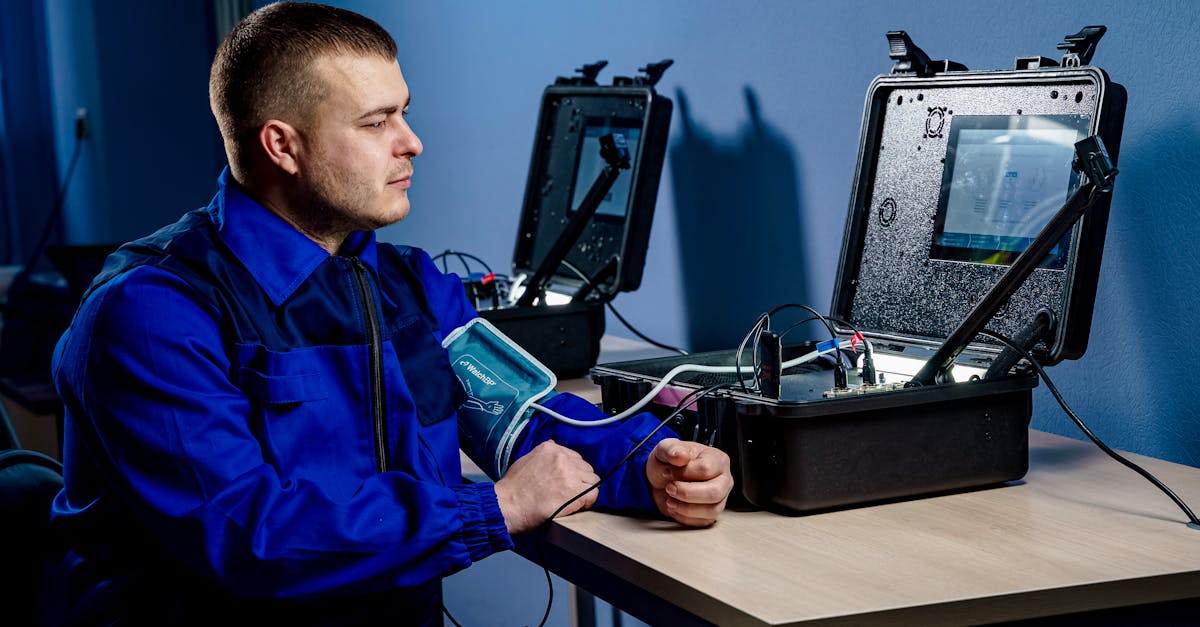
AI-driven advancements are set to reshape health insurance underwriting in India, offering the potential for more personalized and efficient risk assessments.
Health insurance underwriting in India, a traditionally complex and time-consuming process, stands on the cusp of transformation with the integration of artificial intelligence (AI). As insurers battle with rising healthcare costs and the challenge of accurately predicting risk, AI offers a promising avenue to enhance efficiency, accuracy, and personalization in underwriting decisions.
Streamlining Risk Assessment Processes
AI technology, particularly machine learning algorithms, can swiftly analyze vast datasets that include medical histories, lifestyle factors, and genetic information. By doing so, AI can identify patterns and correlations that might elude human underwriters. This capability not only speeds up the underwriting process but also improves the precision of risk assessments.
For instance, AI can evaluate a potential policyholder's likelihood of developing chronic conditions based on their health records and lifestyle choices. Such granular analysis enables insurers to tailor premiums more accurately to individual risk profiles, potentially making health insurance more affordable and accessible to a broader population.
Enhancing Fraud Detection
Insurance fraud remains a significant challenge in India, contributing to inflated premiums and increased operational costs. AI can play a crucial role in combating this issue by detecting anomalies and suspicious patterns in claims data. Machine learning models can flag atypical claim behavior, allowing insurers to investigate and address potential fraud more effectively than traditional methods.
Moreover, AI systems can continuously learn from new data, improving their detection capabilities over time. This proactive approach not only protects insurers from financial losses but also ensures that genuine claims are processed swiftly, enhancing customer satisfaction.
Data Privacy and Ethical Considerations
While AI offers substantial benefits, it also raises critical questions about data privacy and ethics. The use of personal health data in AI algorithms necessitates stringent data protection measures. The Indian government has been working on the Personal Data Protection Bill, which aims to regulate how personal data is collected, processed, and stored.
Insurers must navigate these regulatory landscapes carefully, ensuring that AI applications comply with privacy laws and ethical standards. Transparency in how data is used and maintaining consumer trust will be vital for the successful integration of AI in health insurance underwriting.
Potential for Personalized Insurance Products
The customization potential of AI extends beyond risk assessment to the creation of personalized insurance products. By leveraging AI insights, insurers can develop bespoke policies that align with individual health needs and financial circumstances. This could include dynamic pricing models that adjust premiums based on real-time health data from wearable devices.
Such personalization not only enhances customer experience but also encourages healthier lifestyles by providing financial incentives for maintaining or improving health. This proactive approach aligns the interests of both insurers and policyholders, fostering a more sustainable insurance ecosystem.
The Road Ahead for AI in Indian Health Insurance
As AI continues to evolve, its impact on health insurance underwriting in India will likely deepen. Insurers willing to invest in AI technologies today could gain a competitive edge by offering more accurate, efficient, and customer-centric services. However, the journey will require careful balancing of innovation with regulatory compliance and ethical considerations.
Ultimately, the integration of AI in health insurance underwriting promises to reshape the industry, offering potential for greater inclusivity and efficiency. As one industry expert noted, "AI is not just a tool for automation; it's a catalyst for reimagining how we approach risk and protection in healthcare."