
AI in Indian Diagnostics: Navigating Promise and Pitfalls
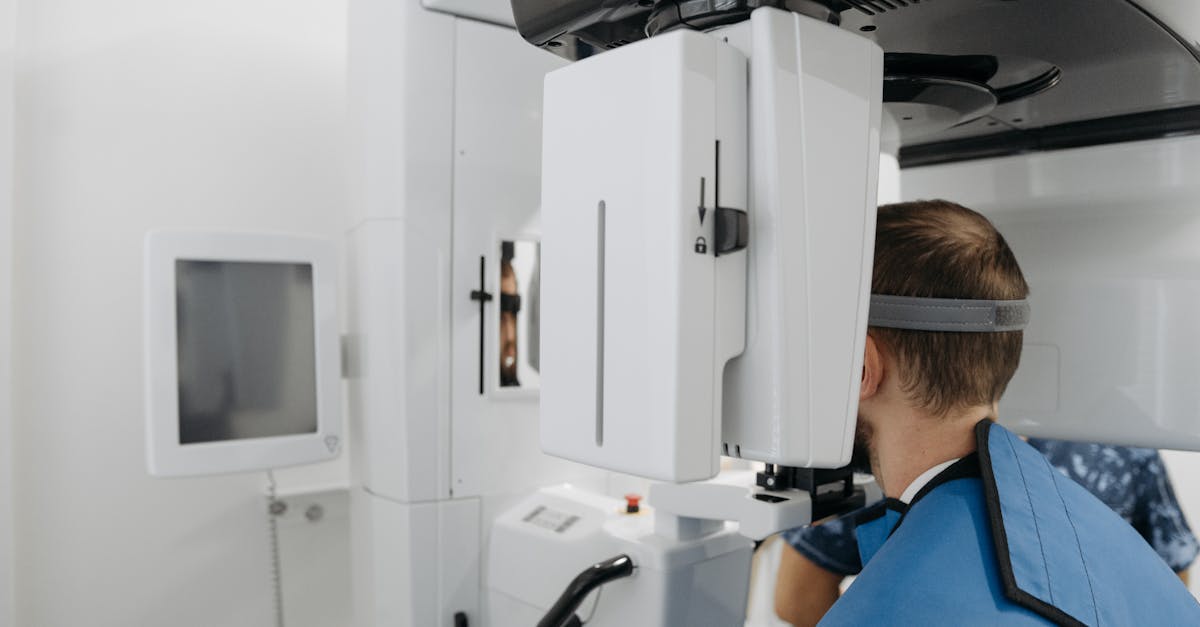
AI is transforming Indian diagnostics, offering both groundbreaking possibilities and significant challenges as it integrates into healthcare systems.
Artificial Intelligence (AI) is poised to revolutionize the diagnostics sector in India, offering unprecedented opportunities for enhancing healthcare delivery. With a burgeoning population and a healthcare system stretched thin, AI's ability to process vast datasets quickly presents a promising solution to longstanding inefficiencies. Yet, the journey to integrating AI into this critical sector is fraught with challenges that must be navigated carefully.
The Allure of AI-Driven Diagnostics
AI technology, particularly machine learning algorithms, has shown remarkable potential in diagnosing diseases with speed and accuracy that rivals or even surpasses human capabilities. In India, where access to skilled medical professionals is uneven, AI-driven diagnostics can democratize healthcare by providing reliable, early detection tools. Companies like Niramai and Qure.ai are already leveraging AI to improve screening processes for diseases such as cancer and tuberculosis, respectively. These technologies can analyze imaging data more quickly and accurately than traditional methods, potentially reducing diagnostic errors and improving patient outcomes.
Challenges of Implementation
Despite its promise, the implementation of AI in diagnostics comes with significant hurdles. One of the primary challenges is the need for large, high-quality datasets to train AI algorithms effectively. In India, where medical records are often incomplete or inconsistent, gathering such data is a formidable task. Furthermore, issues of data privacy and security are paramount, especially given the sensitive nature of health information.
Regulatory frameworks in India also lag behind the rapid pace of AI development. The lack of clear guidelines on the use of AI in healthcare poses risks to both patients and practitioners. Without robust regulations, there is a danger of AI systems being deployed without adequate validation, leading to potential misdiagnoses.
Bridging the Gap: Collaboration and Innovation
Addressing these challenges requires a concerted effort from multiple stakeholders. Collaboration between technology companies, healthcare providers, and government agencies is crucial. Initiatives like the National Health Stack, proposed by NITI Aayog, aim to create a unified digital health infrastructure that could support AI integration. Such platforms could facilitate the collection and sharing of high-quality data, essential for training AI systems.
Moreover, innovation in AI must be accompanied by rigorous testing and validation processes. Regulatory bodies like the Central Drugs Standard Control Organization (CDSCO) need to develop comprehensive frameworks that ensure AI tools are safe and effective before they can be widely adopted in clinical settings.
The Road Ahead: Ethical Considerations
As AI continues to permeate the diagnostics landscape, ethical considerations must be at the forefront of its development and deployment. Ensuring equitable access to AI-based diagnostic tools is vital, particularly in rural and underserved areas. There is also a need to address potential biases in AI algorithms that could perpetuate existing disparities in healthcare outcomes.
Furthermore, the integration of AI in diagnostics should augment, not replace, human expertise. The role of healthcare professionals will evolve, requiring new skills and training to interpret AI-generated insights effectively. Thus, educational institutions must adapt their curricula to prepare future healthcare workers for this AI-enhanced environment.
As AI in diagnostics develops, the potential benefits are vast, yet the path forward is complex. Stakeholders must collaborate to overcome challenges, ensuring that AI enhances healthcare delivery without compromising safety and equity.