
AI in wearable health monitoring devices in India
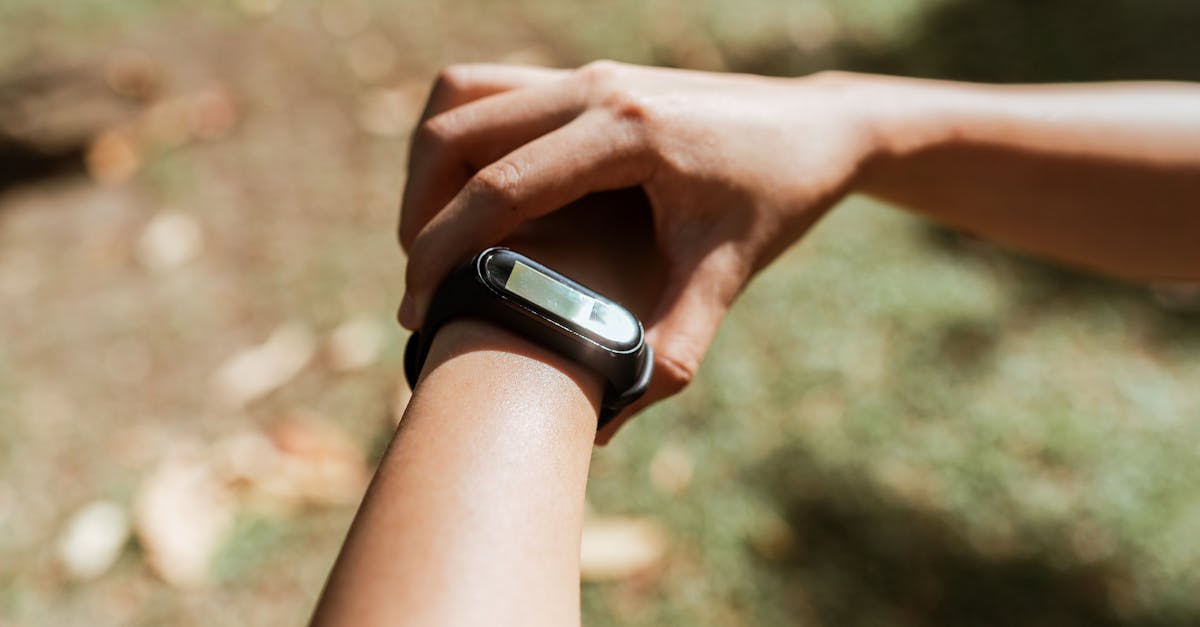
AI enhances wearable health tech, transforming patient care in India.
The landscape of healthcare in India is undergoing a transformative shift, propelled by advancements in technology and the integration of artificial intelligence (AI) in various sectors. Among these, wearable health monitoring devices have gained significant traction, offering individuals the ability to track vital health metrics conveniently. With India's burgeoning interest in preventive healthcare and wellness, AI-enhanced wearables are emerging as vital tools that promise not only to monitor health parameters but also to provide insights that can lead to better health outcomes.
The Rise of AI in India's Wearable Health Devices Market
The Indian wearable health device market has witnessed remarkable growth in recent years, with projections indicating continued expansion. According to industry reports, the market is expected to reach $10 billion by 2025. This growth can be attributed to a growing awareness of fitness and health among Indians, coupled with the increasing prevalence of lifestyle-related diseases. As consumers become more health-conscious, the demand for devices that can provide real-time health data has surged, leading to a plethora of AI-enabled products entering the market.
AI algorithms play a crucial role in enhancing the functionalities of these wearable devices, enabling them to gather, analyze, and interpret health data in real-time. Innovations such as machine learning facilitate predictive analytics, allowing devices to not only track metrics like heart rate and sleep patterns but also predict potential health risks based on historical data. This predictive capability is invaluable in a country like India, where early intervention can significantly reduce the burden of chronic diseases.
Moreover, Indian tech startups and established companies alike are investing in AI research and development to create more sophisticated and user-friendly wearable technologies. Collaborations between healthcare providers and technology firms are also on the rise, fostering an ecosystem that supports innovation and enhances consumer trust. As a result, the convergence of health and technology is not only improving access to health monitoring tools but also encouraging a culture of proactive health management among the Indian populace.
Enhancing Patient Care: AI Innovations in Health Monitoring
AI innovations in wearable health monitoring devices are significantly enhancing patient care, particularly through improved data accuracy and personalized insights. Wearables equipped with AI can collect a vast array of data points, from heart rate variability to blood oxygen levels. This data is then analyzed to provide users with personalized health insights tailored to their specific needs. By offering such detailed feedback, these devices empower individuals to take charge of their health and make informed lifestyle choices.
Additionally, AI-driven wearables can facilitate remote monitoring, which is particularly beneficial in India's rural and underserved regions. For patients with chronic conditions requiring regular check-ups, these devices can relay important health information directly to healthcare providers, minimizing the need for frequent travel. This not only enhances patient compliance and continuity of care but also alleviates pressure on healthcare facilities, which are often overburdened.
Furthermore, advanced AI analytics can support healthcare professionals by identifying patterns and anomalies in patient data, facilitating timely interventions. For example, algorithms can detect irregular heart rhythms or sudden changes in physical activity levels, prompting alerts to both patients and their medical teams. This capability is crucial for managing conditions such as diabetes or cardiovascular diseases, contributing to improved health outcomes and reduced hospital visits.
In conclusion, the integration of AI in wearable health monitoring devices is ushering in a new era of healthcare in India. As these technologies continue to evolve, they hold the promise of making healthcare more accessible, personalized, and efficient. With a focus on preventive care and early intervention, AI-driven wearables not only enhance individual health management but also contribute to the broader goals of improving public health in the country. As this trend continues, it will be essential for stakeholders to prioritize user education and ensure the ethical use of data to foster trust and maximally benefit the Indian populace.