
AI in rehabilitation robotics and assistive devices
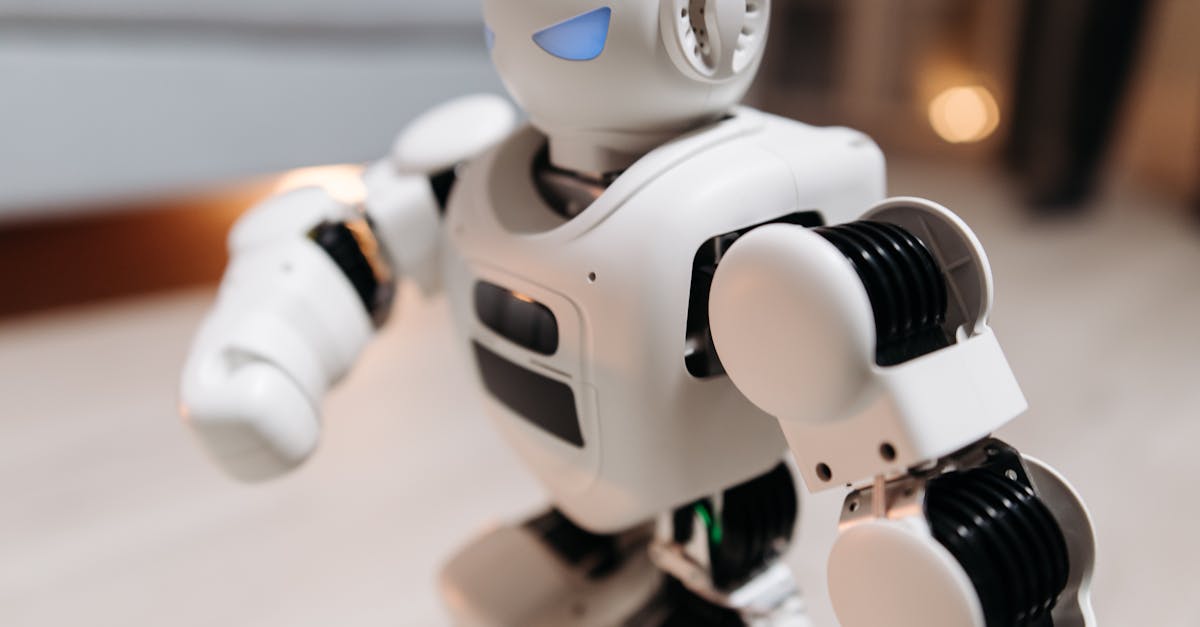
AI is transforming rehabilitation robotics, enhancing patient recovery.
The integration of artificial intelligence (AI) into rehabilitation robotics and assistive devices represents a significant advancement in the healthcare sector. This innovation is reshaping how patients recover from injuries and manage disabilities, offering more personalized and effective therapies. By harnessing AI, these technologies can adapt in real-time to the patient's needs, ultimately improving outcomes and enhancing the quality of life for many individuals.
Transforming Rehabilitation: AI's Role in Robotics Today
The application of AI in rehabilitation robotics has seen remarkable growth over the past few years. AI algorithms enable robotic systems to analyze patient movements and adapt their functions accordingly. For instance, robotic exoskeletons can provide tailored support and resistance during physical therapy, helping patients regain strength and coordination. This personalized approach not only accelerates recovery processes but also fosters greater engagement from patients, who often feel more empowered during their rehabilitation.
In addition to enhancing physical recovery, AI-powered rehabilitation robots are capable of gathering extensive data on patient performance. This data can be analyzed to identify trends, optimize treatment plans, and improve the overall therapeutic process. Healthcare providers can use these insights to make informed decisions and adjust interventions based on individual progress. Such data-driven strategies are crucial for developing evidence-based rehabilitation protocols that can adapt to a diverse range of patient needs.
Moreover, the continual advancements in machine learning and computer vision have made rehabilitation robots more intuitive. As these technologies evolve, they can recognize patterns in patient behavior, facilitating real-time adjustments in therapy sessions. This responsiveness not only maximizes efficiency but also helps in addressing the psychological barriers that patients may face during recovery. Ultimately, the fusion of AI and robotics in rehabilitation is paving the way for more holistic and effective rehabilitation approaches.
Enhancing Quality of Life: Assistive Devices Powered by AI
Assistive devices have traditionally played a crucial role in supporting individuals with disabilities, and the infusion of AI is enhancing their functionality significantly. Modern assistive technologies—such as smart wheelchairs, voice-activated home systems, and AI-driven prosthetics—are designed to provide greater autonomy and convenience. These innovations allow users to perform daily activities with increased ease, ultimately leading to improved quality of life.
AI-powered assistive devices can learn from users' behaviors and preferences, adapting to individual needs over time. For example, smart home systems equipped with AI can adjust lighting, temperature, and even entertainment options based on the user's habits. This level of customization not only assists in daily tasks but also promotes independence, reducing reliance on caregivers and fostering a more fulfilling lifestyle. Such advancements are especially significant in a country like India, where accessibility is a major concern for many people with disabilities.
Furthermore, the continuous feedback loops created by AI systems can enhance user experience and safety. For instance, AI algorithms can analyze mobility patterns in smart wheelchairs to prevent accidents and navigate obstacles more effectively. By prioritizing user safety and comfort, these devices are not just tools but companions that enhance overall well-being. As assistive devices become increasingly integrated with AI technology, they promise to create a more inclusive society, where individuals with disabilities can participate more fully in various aspects of life.
The intersection of AI with rehabilitation robotics and assistive devices marks a transformative era in healthcare. With the potential to revolutionize patient recovery and enhance daily living, these technologies are changing the narrative surrounding disabilities and rehabilitation. As research continues to advance, it is crucial for healthcare professionals and policymakers to prioritize accessibility and inclusivity, ensuring that everyone can benefit from these remarkable innovations. Embracing AI in healthcare not only has the power to improve outcomes but also to enrich lives, fostering a future where technology serves as an ally in the journey toward better health and independence.