
AI in radiomics for tumor characterization
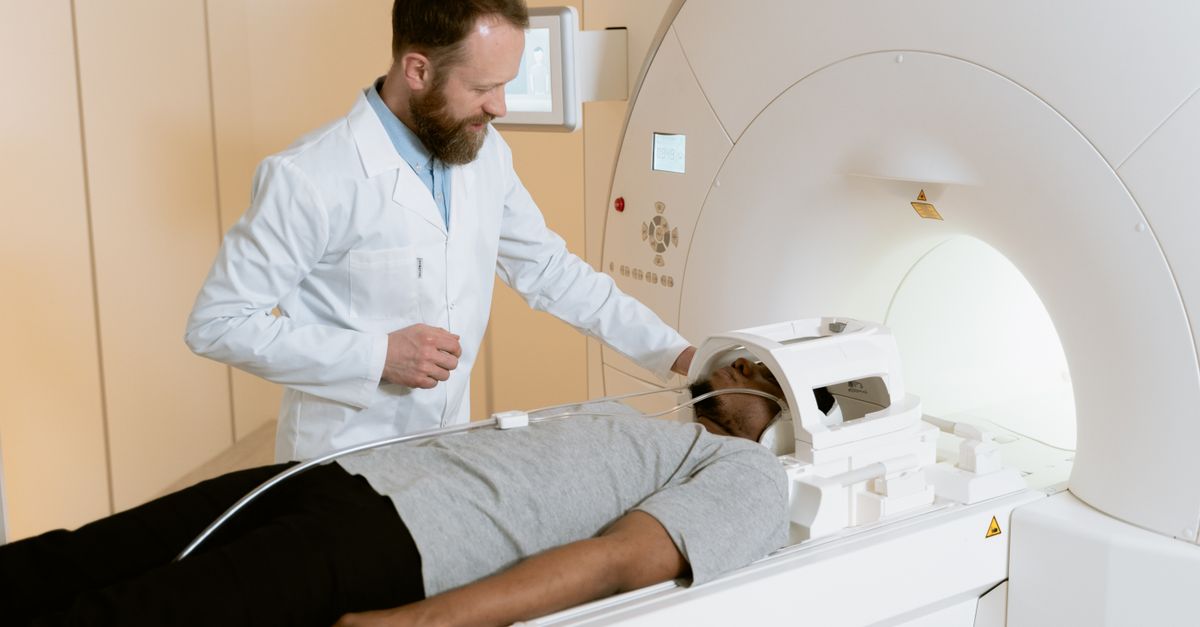
AI is transforming tumor characterization through advanced radiomics.
In recent years, the intersection of artificial intelligence (AI) and radiomics has sparked significant interest in the field of tumor characterization. Radiomics, which involves extracting a large number of features from medical images, has the potential to offer deeper insights into tumor biology and behavior. By leveraging AI algorithms, radiomics can facilitate more precise diagnoses, treatment planning, and monitoring of tumors. This article explores the role of AI in radiomics, focusing on its impact on tumor analysis and characterization.
Exploring AI's Role in Radiomics for Tumor Analysis
The integration of AI into radiomics represents a transformative step in how medical imaging is utilized for tumor analysis. Radiomics captures intricate details from imaging modalities such as MRI, CT, and PET scans, converting them into quantifiable data. AI algorithms, particularly machine learning models, can sift through this vast amount of data to identify patterns and characteristics that may not be evident to the human eye. This capability enhances the accuracy of tumor characterization, leading to more tailored treatment approaches.
One of the primary advantages of AI-powered radiomics is its ability to analyze heterogeneous tumors effectively. Tumors often possess varied cellular compositions, which can influence their growth patterns and treatment responses. Traditional imaging techniques might overlook these complexities. However, AI can help in identifying these subtleties, thereby improving the understanding of tumor biology. For instance, research has indicated that AI models can predict tumor grades and subtypes with remarkable accuracy, aiding clinicians in making informed decisions.
Moreover, the application of AI in radiomics is not just limited to characterizing tumors at initial diagnosis. It can also play a crucial role in monitoring tumor progression and response to treatment. By analyzing longitudinal imaging data, AI algorithms can provide insights into changes in tumor morphology over time, allowing clinicians to adjust treatment plans proactively. This dynamic approach could improve patient outcomes by ensuring that therapies remain effective as tumors evolve.
Enhancing Tumor Characterization Through AI-Powered Radiomics
AI-powered radiomics is paving the way for enhanced tumor characterization through its ability to integrate and analyze multiple imaging modalities. This multimodal analysis can lead to a more comprehensive understanding of tumors, including their genetic and molecular characteristics. By correlating imaging data with genomic information, researchers are beginning to uncover biomarkers that could predict treatment responses more accurately. This integration can potentially lead to personalized medicine approaches that cater to individual patient profiles.
In addition to improving diagnostic accuracy, AI in radiomics is also streamlining workflows within clinical settings. Traditionally, the manual analysis of imaging studies can be time-consuming and subject to human error. Automated AI-driven systems can expedite this process, allowing healthcare professionals to focus more on patient care rather than data interpretation. These systems can generate reports and visualizations that highlight key tumor features, thereby enhancing communication among multidisciplinary teams involved in cancer management.
Furthermore, the growing body of research supporting AI in radiomics is encouraging its adoption in clinical practice. Various studies have demonstrated that AI algorithms can achieve comparable or superior performance to experienced radiologists in tumor characterization tasks. This has prompted regulatory bodies to consider pathways for the approval of AI tools in healthcare. As these technologies continue to evolve, they hold the potential to reshape the landscape of oncology by providing deeper insights into tumor behavior and enabling more effective interventions.
In conclusion, the integration of AI into radiomics for tumor characterization holds immense promise for advancing cancer care. By harnessing the power of AI algorithms, healthcare professionals can achieve greater accuracy in diagnosing tumors, understanding their biology, and monitoring treatment responses. As research and clinical applications continue to evolve, the potential for improved patient outcomes becomes increasingly evident. However, it is essential for clinicians and researchers to remain vigilant about the ethical implications and ensure that these technologies are implemented responsibly within healthcare settings. As we look to the future, the collaboration between AI and radiomics may well redefine our approach to cancer management.