
AI in Radiology: Displacement or Empowerment?
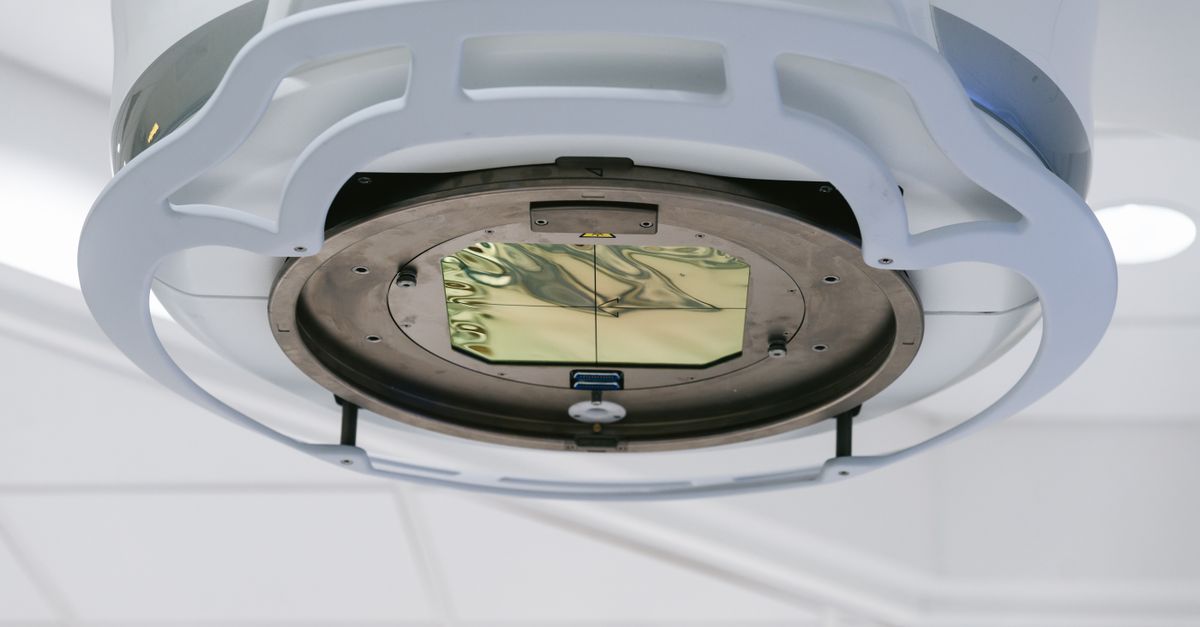
The rise of AI in radiology raises questions: will it replace radiologists or enhance their capabilities? The answer may redefine the field.
As artificial intelligence continues to advance, its impact on the field of radiology is a subject of intense debate. While some argue that AI systems could eventually replace human radiologists, others believe these technological tools will augment the clinical capabilities of radiologists, leading to more accurate diagnoses and improved patient outcomes.
The Capabilities of AI in Radiology
AI has shown remarkable potential in analyzing medical images with a level of detail and speed that was previously unattainable. Algorithms designed for image recognition have been trained to identify patterns and anomalies within CT scans, MRIs, and X-rays, often matching or even surpassing human expertise in certain tasks. For instance, a study published in the journal The Lancet Digital Health demonstrated that AI models could accurately detect breast cancer in mammograms with a degree of sensitivity that rivaled experienced radiologists.
These AI systems can process vast amounts of data quickly, potentially reducing the workload of radiologists and allowing them to focus on more complex cases. Moreover, AI can flag potential issues that might be overlooked by the human eye, acting as a second pair of eyes and thereby increasing diagnostic accuracy.
Challenges and Limitations of AI
Despite its advantages, AI in radiology is not without challenges. The development of reliable and unbiased AI systems requires access to large, high-quality datasets, which can be difficult to obtain. Additionally, AI models are only as good as the data they are trained on. Inadequate or skewed datasets can lead to biased algorithms, potentially resulting in misdiagnosis, particularly in diverse populations.
Another significant challenge is the integration of AI tools into existing clinical workflows. Many healthcare systems are not yet equipped to incorporate these technologies seamlessly, and there is a need for significant investment in infrastructure and training. Furthermore, the ‘black box’ nature of some AI systems, where the decision-making process is not entirely transparent, raises concerns about accountability and trust.
The Role of Radiologists in an AI-Driven Future
Rather than replacing radiologists, AI is more likely to transform their role. Radiologists will need to adapt by becoming proficient in AI technologies, understanding how to interpret AI-driven insights, and integrating them into patient care. They will increasingly act as the bridge between complex AI algorithms and patient outcomes, ensuring that AI is applied effectively and ethically.
Dr. Eric Topol, a renowned cardiologist and digital health expert, suggests that the future of radiology will see radiologists collaborating with AI to enhance diagnostic processes. “AI will not replace radiologists, but radiologists who use AI will replace those who don’t,” he argues, emphasizing the importance of adaptability in the medical profession.
Training and Ethical Considerations
Incorporating AI into radiology will require changes in medical education. Future radiologists will need to be trained not only in traditional imaging techniques but also in data science and AI literacy. Medical schools and continuing education programs are beginning to recognize this need, with some institutions already offering specialized courses that focus on AI applications in healthcare.
Ethical considerations are also paramount. Ensuring that AI systems are used responsibly involves creating robust guidelines that address issues of bias, data privacy, and patient consent. The medical community must work alongside technologists and policymakers to develop standards that protect patient rights while promoting innovation.
The intersection of AI and radiology is poised to redefine the field, not through displacement but through empowerment. By embracing these technological advancements, radiologists can improve diagnostic accuracy and patient care, setting a new standard for the future of medicine.