
AI in Pathology: Revolutionizing Lab Diagnostics
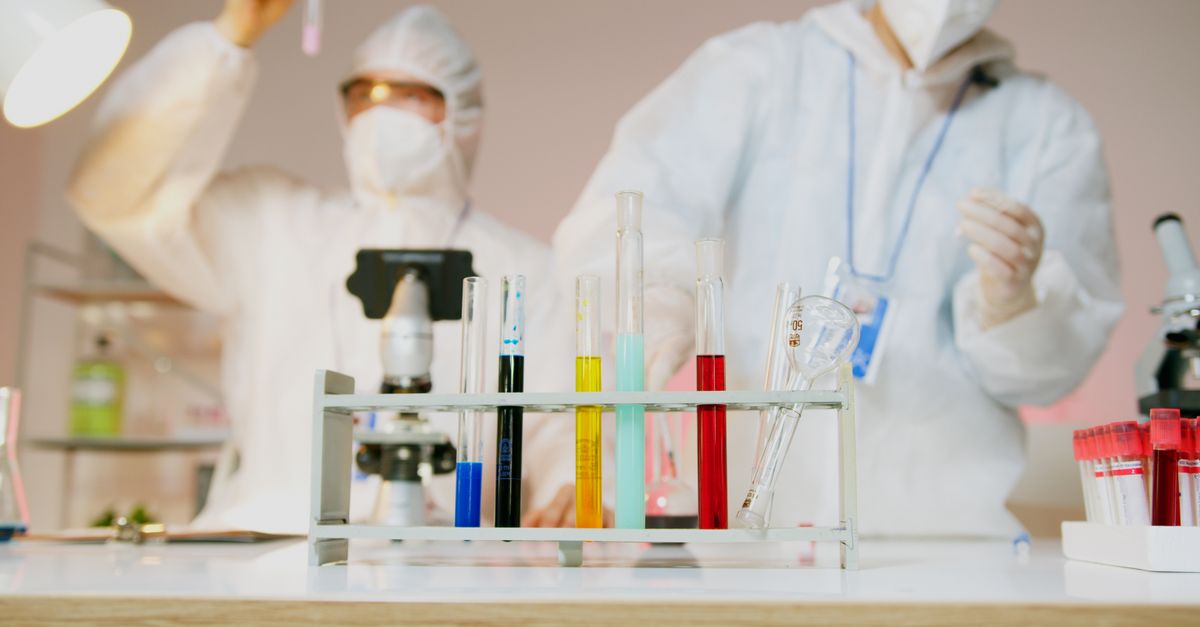
AI is transforming pathology and lab diagnostics, enhancing accuracy and efficiency in disease detection.
In the quiet, sterile halls of modern pathology labs, a silent revolution is underway. Artificial Intelligence (AI) is rapidly becoming an indispensable tool in pathology and lab diagnostics, altering the landscape of disease detection and management. With its ability to analyze vast datasets with precision and speed, AI promises to elevate the accuracy of diagnoses and streamline laboratory workflows.
The Role of AI in Modern Pathology
Pathology, the branch of medicine that deals with the study of disease, has traditionally relied on the trained eye of pathologists to examine tissue samples under a microscope. However, this manual process is not only time-consuming but also prone to human error. AI technologies, particularly those employing machine learning algorithms, offer a valuable supplement to human expertise.
AI systems can rapidly analyze digital images of tissue samples, identifying patterns that may indicate disease. These systems are trained on thousands of images, enabling them to recognize subtle differences that might elude even the most experienced pathologists. This capability is especially beneficial in detecting cancers, where early and accurate diagnosis is crucial for effective treatment.
Enhancing Diagnostic Accuracy and Speed
AI-assisted pathology has demonstrated significant improvements in both the accuracy and speed of diagnostic processes. For instance, studies have shown that AI algorithms can detect breast cancer metastases in lymph nodes with a level of accuracy comparable to that of pathologists. In some cases, AI systems have even outperformed their human counterparts, identifying signs of disease that were missed during manual review.
Beyond cancer detection, AI is also making strides in diagnosing infectious diseases and genetic disorders. By analyzing patterns in blood tests and genomic data, AI can help identify conditions more quickly than traditional methods, allowing for timely intervention and treatment.
Integration Challenges and Opportunities
While the potential benefits of AI in pathology are substantial, integrating these technologies into existing healthcare systems is not without challenges. There are concerns about data privacy, the need for substantial computational resources, and the requirement for AI models to be thoroughly validated to ensure they do not introduce new biases into diagnostic processes.
However, the opportunities for innovation are equally compelling. AI can facilitate more personalized medicine approaches, tailoring treatments based on the specific characteristics of a patient's disease. Moreover, AI's ability to handle large datasets can support the development of predictive models for disease progression, helping clinicians make more informed decisions.
The Future of Pathology Practice
As AI continues to evolve, its role in pathology and lab diagnostics is likely to expand. The integration of AI tools into routine practice could transform the pathologist's role from one of primary diagnosis to a more consultative and interpretive capacity, where they provide insights based on AI-generated data.
Moreover, AI's potential to facilitate telepathology—where digital images are shared and analyzed remotely—could expand access to diagnostic services in underserved areas, bridging gaps in healthcare delivery.
The promise of AI in pathology is not just in replacing human expertise, but in augmenting it. By leveraging the strengths of both human and machine, the field of pathology is poised to deliver more accurate, efficient, and accessible diagnostic services. As Dr. Eric Topol, a renowned cardiologist and digital medicine researcher, noted, "The future of medicine is not about AI vs. humans, but rather AI and humans working together."