
AI in Medical Imaging: Navigating Implementation Hurdles
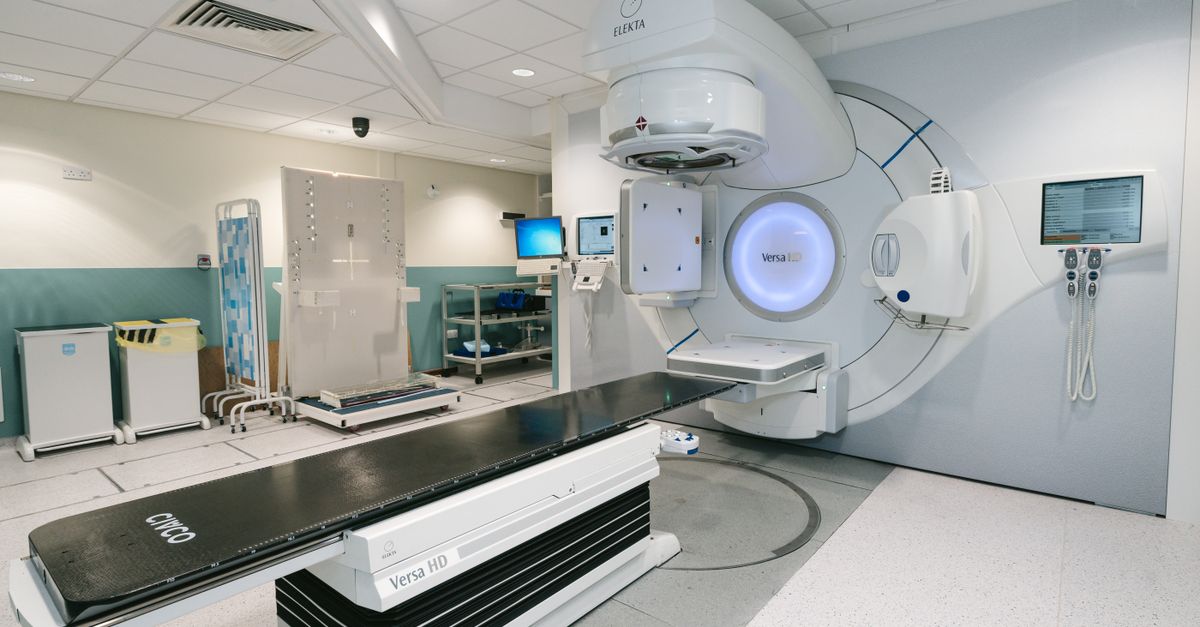
AI promises breakthroughs in medical imaging, yet faces challenges like data privacy, cost, and regulatory hurdles.
The integration of artificial intelligence (AI) in medical imaging holds the potential to revolutionize diagnostics and patient care. However, the path to widespread implementation is fraught with challenges that stakeholders must address to fully harness AI's capabilities.
Data Privacy and Security Concerns
One of the primary obstacles in adopting AI in medical imaging is ensuring data privacy and security. Medical images contain sensitive patient information, making them a target for cyber threats. Healthcare providers must implement robust encryption and data protection measures to safeguard this data. Moreover, compliance with regulations such as HIPAA in the United States adds an additional layer of complexity to managing and sharing medical data.
High Costs and Infrastructure Requirements
Implementing AI solutions in medical imaging requires significant financial investment. The costs associated with acquiring advanced imaging equipment, software, and skilled personnel are substantial. Furthermore, healthcare facilities need to upgrade their existing infrastructure to support AI technologies, which can be a significant financial burden, especially for smaller institutions.
Regulatory and Ethical Challenges
AI technologies in healthcare must navigate a complex regulatory landscape. Obtaining approvals from bodies like the FDA can be a lengthy process, as these technologies must meet stringent safety and efficacy standards. Ethical concerns also arise regarding the use of AI in decision-making processes, particularly in ensuring that AI-driven diagnoses are transparent and free from bias.
Interoperability and Integration Issues
For AI systems to be effective, they must seamlessly integrate with existing medical imaging systems. Interoperability issues can hinder this integration, as many healthcare providers use disparate systems that do not easily communicate with each other. Developing standardized protocols and systems is crucial to overcoming these barriers.
Despite these challenges, the potential benefits of AI in medical imaging are undeniable. By addressing data privacy, cost, regulatory, and interoperability issues, the healthcare industry can move closer to realizing the full potential of AI, ultimately improving patient outcomes and streamlining diagnostic processes.