
AI in maternal risk prediction under Pradhan Mantri Surakshit Matritva Abhiyan
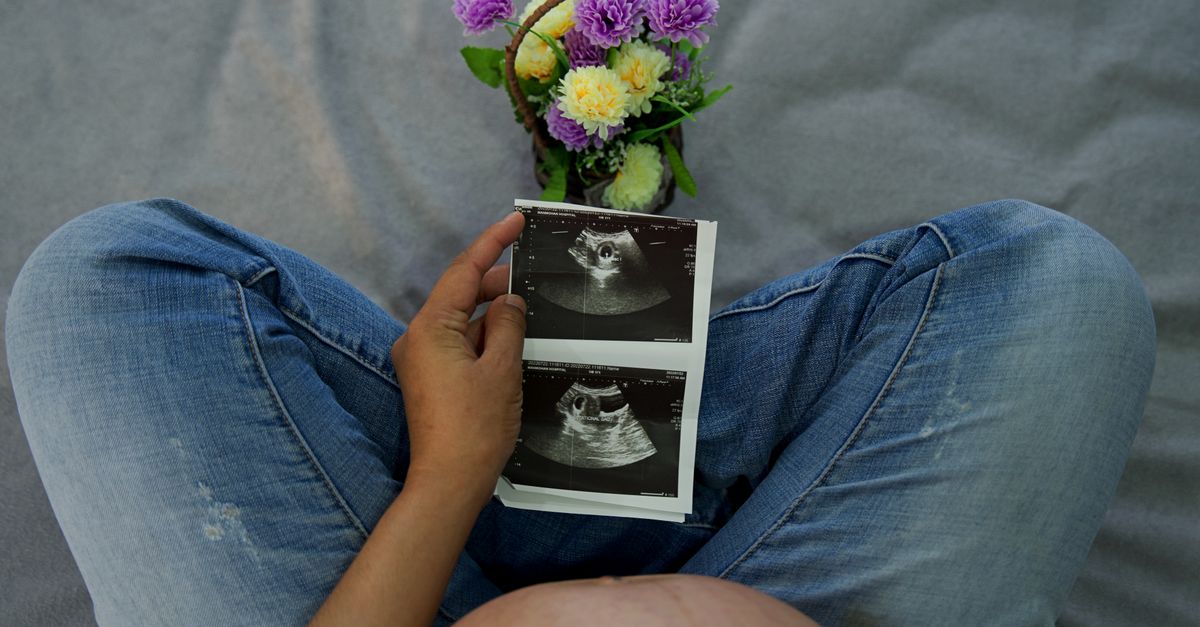
AI enhances maternal risk assessment in India's healthcare initiative.
The advent of artificial intelligence (AI) in healthcare has brought about transformative changes, particularly in maternal health. One significant initiative addressing maternal health challenges in India is the Pradhan Mantri Surakshit Matritva Abhiyan (PMSMA), aimed at reducing maternal and infant mortality rates through comprehensive prenatal care. By integrating AI-driven risk prediction models, PMSMA enhances the ability to identify women at high risk during pregnancy, thereby facilitating timely interventions. This article explores the intersection of AI technology and maternal risk prediction under the PMSMA framework and evaluates its potential impact on maternal health in India.
Transforming Maternal Health: AI in Risk Prediction Efforts
AI technologies, particularly machine learning algorithms, have shown promise in analyzing vast datasets to predict maternal health risks. These algorithms can process various factors such as age, medical history, socioeconomic status, and lifestyle choices to identify women who may be at higher risk for complications during pregnancy. By deploying these tools within the PMSMA, healthcare providers can make more informed decisions regarding prenatal care, ensuring that high-risk pregnancies receive the attention they require. The integration of AI into existing healthcare systems also facilitates a more personalized approach to maternal care.
Moreover, AI systems can assist in real-time monitoring of maternal health by leveraging data from wearable devices and mobile health applications. This ongoing data collection can identify developing issues before they escalate into severe complications. For instance, changes in vital signs can trigger alerts for healthcare providers, allowing them to act swiftly and prevent adverse outcomes. In the context of PMSMA, which emphasizes regular check-ups and preventive care, the deployment of AI tools can significantly enhance the quality of care provided to expectant mothers.
In addition to improving individual care, AI-driven risk prediction models can help health authorities identify broader trends in maternal health. By analyzing aggregated data, policymakers can identify regions or demographics at higher risk, enabling targeted interventions. This proactive approach is essential for addressing systemic issues in maternal healthcare access and quality, particularly in underserved areas. Through the PMSMA initiative, AI can play a crucial role in shaping the future of maternal health, ultimately leading to improved outcomes for mothers and their children.
Evaluating the Impact of Pradhan Mantri Surakshit Matritva Abhiyan
The Pradhan Mantri Surakshit Matritva Abhiyan was launched with the goal of ensuring safe motherhood through comprehensive care. By focusing on regular health check-ups and community engagement, the program seeks to reduce maternal mortality rates and improve overall pregnancy outcomes. Initial reports indicate that the initiative has made significant strides in reaching underserved populations, providing essential services, and fostering awareness about maternal health issues. The introduction of AI-enabled risk prediction tools further complements these efforts by enhancing care and ensuring that women receive timely medical attention.
However, while the potential of AI in maternal health is promising, there are challenges that need to be addressed. These include the integration of AI systems into existing healthcare frameworks, data privacy concerns, and the need for robust training for healthcare providers. Effective implementation is crucial; otherwise, the benefits of AI may not be realized fully. Moreover, continuous monitoring and evaluation of the outcomes are essential to ensure that the introduction of AI into PMSMA translates into tangible improvements in maternal health.
Ultimately, the success of the Pradhan Mantri Surakshit Matritva Abhiyan in leveraging AI for maternal risk prediction lies in collaboration among various stakeholders, including government bodies, healthcare professionals, and technology developers. By fostering a multidisciplinary approach, India can maximize the benefits of AI in maternal health and address the multifaceted challenges that still exist. As the initiative continues to evolve, ongoing research and adaptation will be key in driving improvements and ensuring that every mother receives the care she deserves.
The integration of AI in maternal risk prediction under the Pradhan Mantri Surakshit Matritva Abhiyan represents a significant advancement in India's efforts to safeguard maternal health. By enhancing the ability to identify risks and provide timely interventions, AI technology holds the potential to transform maternal healthcare delivery. However, careful implementation and continuous evaluation will be critical to realizing its full benefits. As India navigates the complexities of maternal health, the synergy between AI and comprehensive healthcare initiatives like PMSMA could pave the way for a healthier future for mothers and infants alike.