
AI in emergency response and ambulance routing
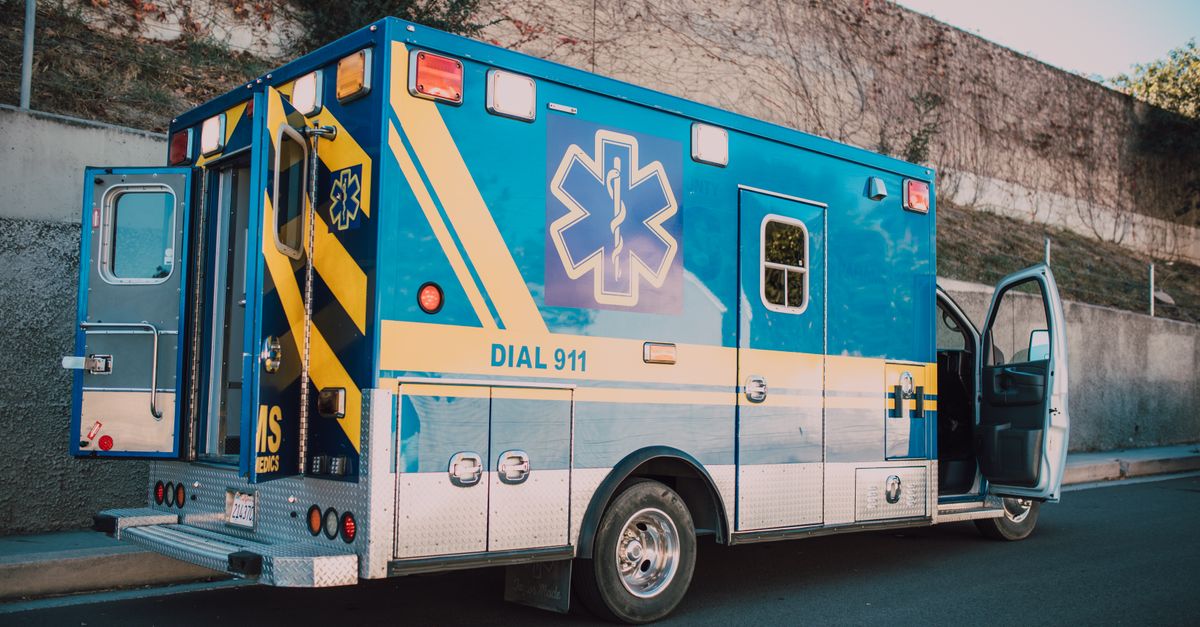
AI is reshaping emergency response and ambulance routing efficiency.
In recent years, the integration of artificial intelligence (AI) into various sectors has shown remarkable potential, particularly in emergency response systems and ambulance routing. As healthcare challenges continue to grow globally, the ability to leverage AI technologies for timely and efficient emergency services has become increasingly vital. This article delves into how AI is transforming emergency response efforts and enhancing ambulance routing systems, ultimately aiming to improve patient outcomes and streamline healthcare services.
Transforming Emergency Response with AI Innovations
AI technologies are revolutionizing the way emergency services operate, bringing increased efficiency and effectiveness to the frontline. Machine learning algorithms can analyze vast amounts of data, including historical emergency call records, to predict trends and optimize resource allocation. For instance, AI can identify high-risk areas that frequently require emergency services, enabling agencies to preemptively position resources and minimize response times. This predictive capability not only enhances service delivery but also ensures that paramedics are better prepared for the unique challenges posed by different emergency scenarios.
Moreover, AI-powered tools are being developed to support emergency responders during critical incidents. Natural language processing (NLP) enables the extraction of pertinent information from distress calls, allowing dispatchers to assess situations rapidly. By interpreting nuances in human speech, AI can generate faster, more accurate assessments of a caller's condition, facilitating quicker responses. This innovation can significantly alleviate pressure on emergency services, ensuring that teams can focus on the most pressing cases and improve overall patient care.
Another area where AI is making strides is in post-emergency analysis. After an incident, AI systems can evaluate response times, resource allocation, and patient outcomes to identify patterns or inefficiencies. By analyzing these metrics, healthcare organizations can implement data-driven improvements in their emergency response protocols. This continuous feedback loop helps ensure that emergency services adapt to evolving healthcare needs while maintaining quality care and operational efficacy.
Optimizing Ambulance Routing: The Role of Artificial Intelligence
One of the most critical aspects of emergency medical services is efficient ambulance routing. AI technologies are now being utilized to optimize these routes, ensuring that ambulances reach patients as quickly as possible. Advanced algorithms take into account real-time traffic data, road conditions, and even weather forecasts to determine the fastest and safest routes for emergency vehicles. This capability is particularly important in urban areas, where traffic congestion can significantly delay response times.
Additionally, AI-driven routing systems can prioritize calls based on urgency and patient condition, directing ambulances to the most critical cases first. This prioritization not only optimizes the use of available resources but also enhances patient outcomes, as timely interventions are crucial in emergencies. By integrating AI with geographic information systems (GIS), emergency services can visualize and analyze various routing options, ensuring that the most efficient paths are chosen for each situation.
Furthermore, the implementation of AI in ambulance routing can lead to substantial cost savings for healthcare providers. By minimizing fuel consumption and reducing wear and tear on vehicles through optimized routing, organizations can allocate resources more effectively. These savings can then be redirected to other areas of emergency care, such as personnel training or equipment upgrades, ultimately contributing to an overall enhancement of service quality in emergency medical responses.
The application of AI in emergency response and ambulance routing is undeniably reshaping the landscape of healthcare delivery. By improving response times, optimizing resource allocation, and increasing operational efficiency, AI technologies are making significant contributions to patient care. As these innovations continue to evolve, they hold the promise of transforming emergency services worldwide, ultimately leading to better outcomes for patients in need of urgent medical attention. As with any technological advancement in healthcare, ongoing evaluation and adaptation will be crucial to maximize benefits while addressing potential challenges.