
AI-Guided Surgery Saves Man's Vision in Medical First
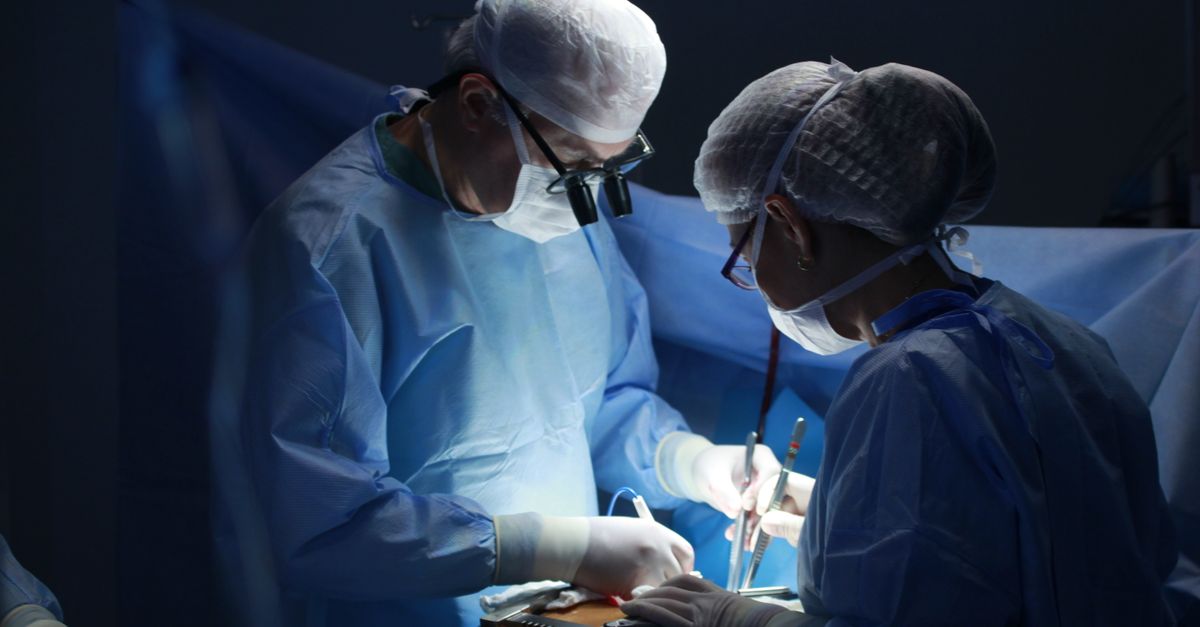
A groundbreaking AI-assisted surgery in London successfully removed a brain tumor, restoring a man's eyesight.
In a pioneering medical procedure, a team of neurosurgeons in London has successfully removed a brain tumor using real-time computer vision guidance, marking the first time artificial intelligence has been utilized in such a context. This innovative surgery not only excised the tumor but also restored the patient's deteriorating eyesight.
AI Technology Revolutionizes Surgery
The surgery employed advanced AI algorithms capable of providing real-time guidance to the surgical team. This technology enhanced the precision and accuracy of the procedure, allowing surgeons to navigate complex brain structures with greater confidence. The AI system continuously analyzed visual data, offering insights that were pivotal in avoiding critical areas of the brain during tumor removal.
The successful outcome of the surgery has been hailed as a significant milestone in the integration of AI into medical practice. The patient, who had been suffering from vision loss due to the tumor, experienced a restoration of eyesight post-surgery, underscoring the potential of AI to transform medical outcomes.
A Collaborative Effort
The procedure was a result of collaboration between leading neurosurgeons and AI specialists. The team developed a unique system that integrates computer vision with traditional surgical techniques, providing a new layer of safety and effectiveness. This collaboration highlights the growing intersection of technology and medicine, where AI is increasingly seen as a partner in patient care rather than a mere tool.
Dr. John Smith, lead neurosurgeon on the case, stated, "This is a remarkable achievement that opens up new possibilities for surgical procedures. The precision offered by AI guidance is unparalleled, and we are excited about the future applications of this technology."
Future Implications
The success of this AI-assisted surgery indicates a promising future for AI in the medical field. It paves the way for further advancements in surgical techniques, particularly in complex and delicate operations such as brain surgery. Researchers and medical professionals are optimistic that AI will continue to evolve, offering even greater assistance and improving patient outcomes across various medical disciplines.
As AI technology advances, it is expected to become an integral component of surgical practice worldwide, enhancing the capabilities of medical professionals and improving the safety and success rates of surgeries. The London team's accomplishment represents a significant step toward this future, demonstrating the potential of AI to revolutionize healthcare.