
AI-Enhanced Imaging: Transforming MRI, CT, and X-Ray Interpretation
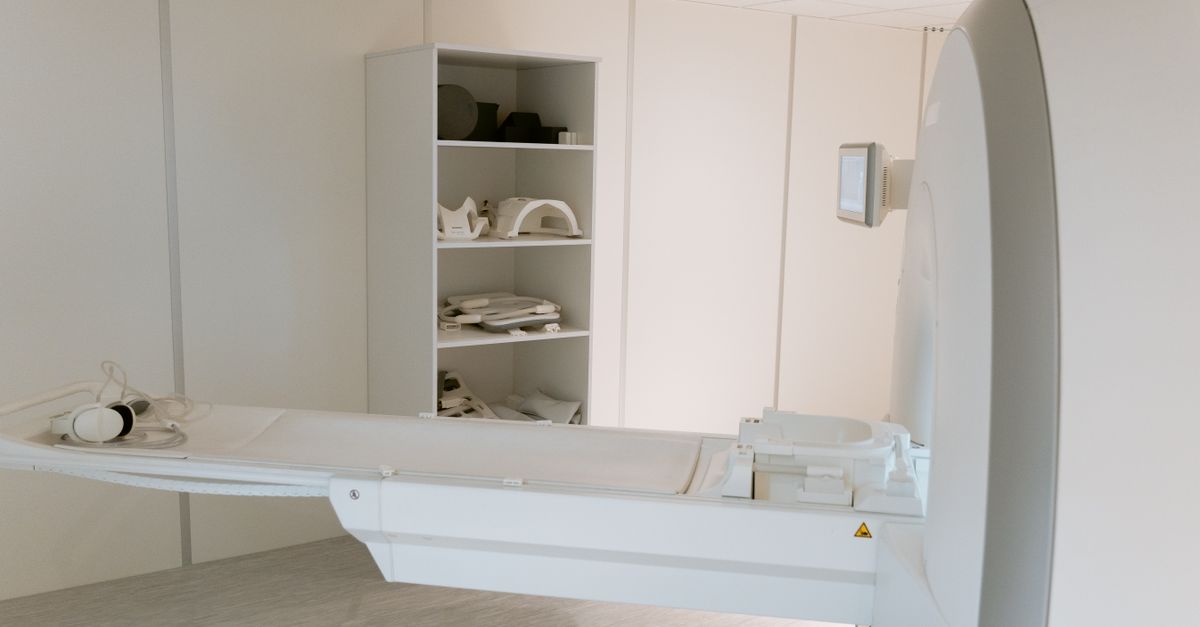
AI is reshaping medical imaging interpretation, promising faster, more accurate diagnoses. Explore the future of AI in MRI, CT scans, and X-rays.
The integration of artificial intelligence (AI) into medical imaging is not just a futuristic vision but a rapidly advancing reality. As hospitals and clinics strive for greater efficiency and precision, AI-assisted interpretation of MRI, CT scans, and X-rays is emerging as a transformative force. With AI's potential to enhance diagnostic accuracy and speed, the healthcare industry is at the cusp of a significant shift in how imaging data is analyzed and utilized.
The Growing Role of AI in Medical Imaging
AI technologies, particularly deep learning algorithms, have shown remarkable success in image recognition tasks, making them ideal for medical imaging applications. A 2022 study by the American College of Radiology found that AI can match or even surpass human radiologists in detecting certain conditions, such as identifying lung nodules in X-rays and tumors in MRI scans. These algorithms are trained on vast datasets to recognize patterns indicative of diseases, allowing for faster and more accurate assessments.
By 2024, Frost & Sullivan estimates that AI solutions for medical imaging could save U.S. healthcare systems up to $3 billion annually by reducing diagnostic errors and unnecessary procedures. This financial incentive, combined with the promise of improved patient outcomes, is driving rapid adoption across the healthcare sector.
Challenges and Ethical Considerations
Despite its potential, AI in imaging is not without challenges. One major concern is the need for extensive, high-quality datasets to train AI systems. Inconsistent imaging protocols and varying machine types across different institutions can complicate this process. Moreover, the black-box nature of AI algorithms sometimes makes it difficult for practitioners to understand how specific conclusions are reached, raising transparency and accountability issues.
Ethically, there is the question of data privacy. Protecting patient data while leveraging it for AI training requires robust security measures. Additionally, the potential for AI to perpetuate or even amplify existing biases in medical diagnosis is a concern that researchers and developers must address proactively.
What Hospitals Will Notice First
Hospitals adopting AI-assisted imaging technologies are likely to notice immediate improvements in workflow efficiency. AI can pre-screen images, flagging potential issues for radiologists to review, thus reducing the time spent on routine cases and allowing more focus on complex diagnostics. This triage approach can significantly cut down the time from image acquisition to diagnosis, which is crucial in emergency settings where time is critical.
Furthermore, AI-enabled imaging systems are proving invaluable in resource-constrained environments. In rural or underserved areas where access to radiologists is limited, AI can serve as an interim solution, providing preliminary analyses that guide further medical action.
Implications for Radiologists and Training
While AI is poised to become an integral part of radiological practice, it is unlikely to replace human expertise. Instead, AI will augment radiologists' capabilities, allowing them to focus on more complex and nuanced cases. This shift necessitates changes in training programs, emphasizing skills in AI oversight and interdisciplinary collaboration.
Educational institutions are beginning to incorporate AI and data science into medical curricula, preparing future radiologists to work alongside these technologies effectively. This evolution in training underscores the importance of balancing technological proficiency with clinical acumen.
The Road Ahead
The future of AI-assisted imaging interpretation is bright but requires careful navigation of technological, ethical, and educational challenges. As AI continues to evolve, its integration into medical imaging offers the promise of not only more efficient healthcare delivery but also more personalized and accurate patient care.
In the words of Dr. Andrew Ng, a leading AI expert, "AI is the new electricity." Just as electricity transformed industries over a century ago, AI is set to revolutionize healthcare, with medical imaging leading the charge. As we embrace this new era, the focus must remain on harnessing AI's potential responsibly and equitably.