
AI-enabled radiology reporting across tier-2 and tier-3 cities
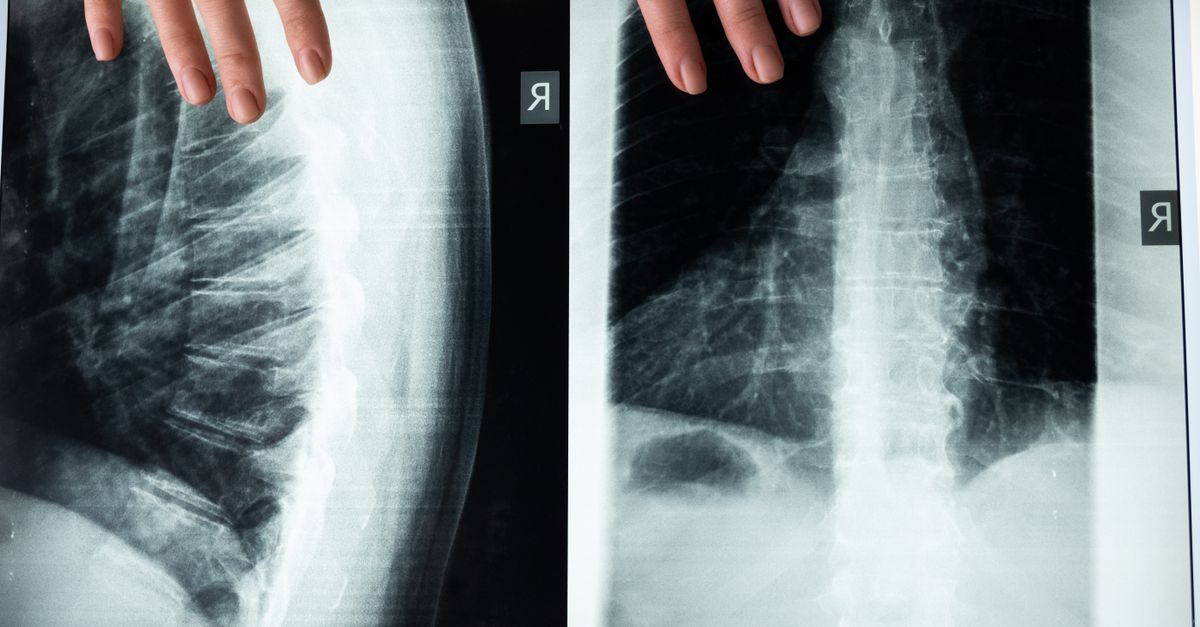
AI is transforming radiology reporting in smaller cities.
In recent years, artificial intelligence (AI) has started to transform various sectors, including healthcare. One of the significant shifts is the implementation of AI-enabled radiology reporting, particularly in tier-2 and tier-3 cities. These areas, often underserved in terms of healthcare resources, can particularly benefit from the efficiency and accessibility that AI brings. This article delves into the advancements in AI-enabled radiology reporting and its implications for healthcare in these regions.
Transforming Radiology Reporting in Tier-2 and Tier-3 Cities
AI technology is making significant inroads into radiology, especially in tier-2 and tier-3 cities where healthcare infrastructure may be lacking. Traditionally, these cities have faced challenges such as a shortage of trained radiologists and lengthy report turnaround times. AI algorithms can analyze medical images quickly and accurately, allowing for faster diagnosis. By automating routine tasks such as image interpretation, AI can significantly reduce the workload on radiologists, enabling them to focus on more complex cases that require human expertise.
Moreover, AI can help standardize radiology reporting, reducing variability in interpretations among different radiologists. This standardization can lead to more consistent and reliable diagnoses, which is critical in areas where patients may have limited access to specialists. As a result, patients can receive timely and appropriate care without the need to travel long distances for specialized services. This transformation not only improves patient outcomes but also enhances the overall efficiency of healthcare systems in these regions.
While the integration of AI in radiology is promising, it is essential to address the challenges that may arise. Training healthcare professionals to work alongside AI tools is crucial for ensuring smooth adoption. Furthermore, there is a need for robust data governance frameworks to ensure the ethical use of patient data. As hospitals in tier-2 and tier-3 cities begin to adopt these technologies, ongoing education and training programs will be essential to maximize the benefits of AI in radiology.
The Impact of AI on Healthcare Accessibility and Efficiency
The introduction of AI in radiology reporting has the potential to significantly enhance healthcare accessibility in tier-2 and tier-3 cities. Many residents in these areas often face barriers, such as geographical distances and financial constraints, which hinder their access to quality healthcare. AI-enabled solutions can bridge these gaps by providing prompt diagnosis and treatment recommendations through telemedicine platforms. This means patients can receive timely medical advice without the need to make expensive and time-consuming trips to urban centers.
In addition to improving access, AI also enhances the efficiency of healthcare delivery. For example, AI algorithms can sift through large datasets to identify patterns and anomalies in medical images. This capability allows for early detection of diseases such as cancer, which can be crucial for successful treatment outcomes. By streamlining the reporting process and facilitating quicker decision-making, AI can reduce hospital stay durations and associated costs, ultimately benefiting both patients and healthcare providers.
However, the successful implementation of AI in radiology reporting is not without its challenges. Concerns about data privacy, the need for infrastructural upgrades, and the necessity for ongoing training for healthcare professionals must be addressed. Policymakers and healthcare administrators must work together to create a supportive environment that fosters innovation while safeguarding patient rights. By addressing these concerns, the integration of AI in radiology can lead to a more equitable healthcare landscape in tier-2 and tier-3 cities.
The advancement of AI-enabled radiology reporting presents a significant opportunity for tier-2 and tier-3 cities to improve healthcare accessibility and efficiency. As technology continues to evolve, it is crucial for stakeholders to collaborate and address the accompanying challenges to ensure that the benefits of AI reach all corners of the healthcare system. By prioritizing education, ethical considerations, and infrastructural support, communities can harness AI's potential to deliver better health outcomes and transform the future of radiology in underserved regions.