
AI-enabled dermatology screening tools
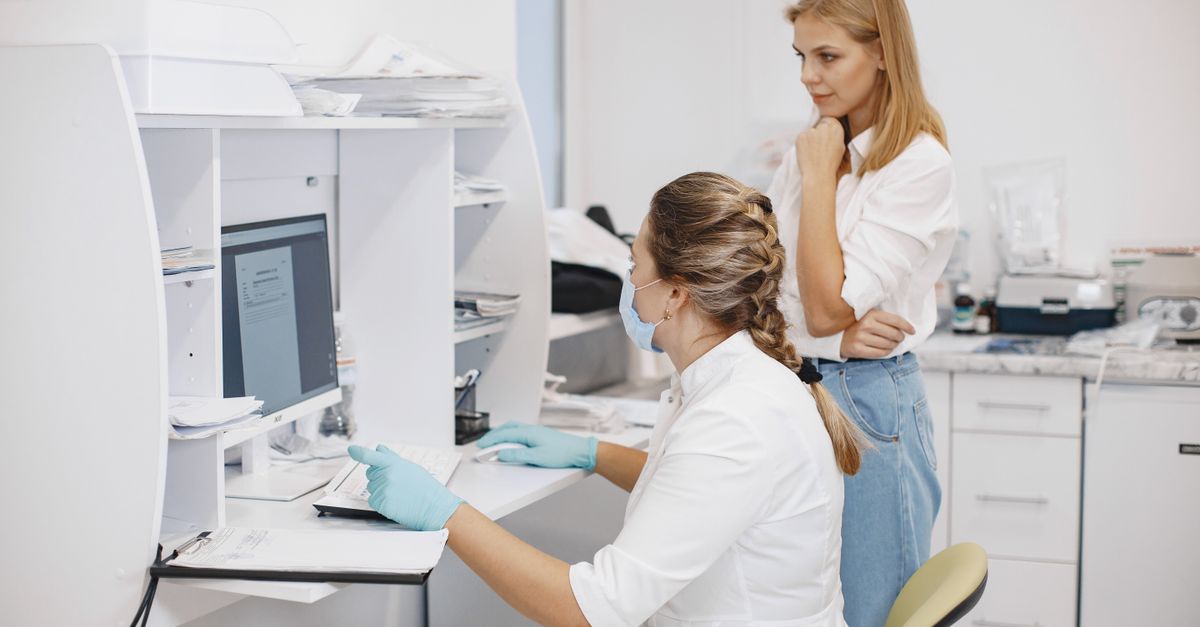
AI tools are transforming dermatology screening practices globally.
The intersection of artificial intelligence (AI) and healthcare is reshaping various fields, with dermatology being one of the most significantly impacted. AI-enabled dermatology screening tools are emerging as innovative solutions aimed at improving the accuracy and efficiency of skin health assessments, particularly in the detection of skin cancers. This article delves into the advancements in AI technology and how these tools are transforming the landscape of dermatological care.
Revolutionizing Skin Health: The Rise of AI in Dermatology
AI technologies are making substantial inroads into dermatology, driven by the need for more accurate and timely skin assessments. Traditional methods of diagnosing skin conditions often require visual inspections by trained professionals, a process that can be subjective and prone to human error. AI tools, utilizing machine learning algorithms, can analyze skin images rapidly and with increasing precision, offering a reliable supplementary option for dermatologists. By processing vast amounts of data, these systems can identify patterns that may not be easily discernible to the human eye.
Moreover, AI-enabled tools provide a level of accessibility that can democratize dermatological care. Many patients live in areas with limited access to dermatologists, leading to delayed diagnoses and poor health outcomes. AI-powered mobile applications enable users to take pictures of their skin and receive preliminary assessments. These tools bridge the gap between patients and specialists, allowing for timely referrals if a concerning condition is detected, thereby potentially saving lives through early intervention.
However, the rise of AI in dermatology is not without challenges. Ethical considerations surrounding data privacy, accuracy, and the potential for misdiagnosis are critical. Regulatory bodies, including the U.S. Food and Drug Administration (FDA) and the European Medicines Agency (EMA), are currently working on frameworks to ensure that these technologies are safe and effective before they can be widely adopted. As the technology continues to evolve, there will be ongoing discussions about integrating AI tools responsibly into clinical practice, ensuring that they enhance rather than replace human judgment.
How AI Screening Tools Are Transforming Skin Cancer Detection
Skin cancer remains one of the most prevalent forms of cancer globally, necessitating effective early detection methods. AI-enabled screening tools demonstrate a remarkable potential to enhance the identification of malignant lesions. Research indicates that certain AI systems can achieve diagnostic accuracy comparable to, or even surpassing, that of experienced dermatologists. By employing deep learning models trained on extensive datasets of skin images, these tools can discern benign from malignant lesions with impressive reliability, paving the way for timely and appropriate interventions.
Additionally, the integration of AI tools in routine dermatological practice can lead to a more streamlined workflow. Dermatologists often face overwhelming case volumes, which can hinder their ability to provide thorough evaluations to each patient. AI screening tools can triage cases, flagging those that require immediate attention while allowing practitioners to focus on more complex cases. This not only improves patient outcomes but also enhances the efficiency of healthcare delivery, reducing the strain on healthcare systems.
Despite these advancements, the reliance on AI for skin cancer detection raises questions about the need for human oversight. While these systems can augment the diagnostic process, they should not replace the essential role that trained dermatologists play in patient care. Continuous collaboration between AI technologies and healthcare professionals remains critical. Ongoing education and training will be essential to ensure that dermatologists can interpret AI findings effectively and make informed decisions in patient management.
AI-enabled dermatology screening tools are reshaping the landscape of skin health assessment and cancer detection. By enhancing diagnostic accuracy, increasing accessibility, and streamlining workflows, these technologies hold great promise for the future of dermatological care. However, the ethical considerations and the need for human oversight underscore the importance of integrating AI responsibly into clinical practice. As research continues and regulatory frameworks develop, the collaboration between AI and healthcare professionals will be pivotal in realizing the full potential of these innovative tools.