
AI Diagnostics in India: Expectations vs. Reality
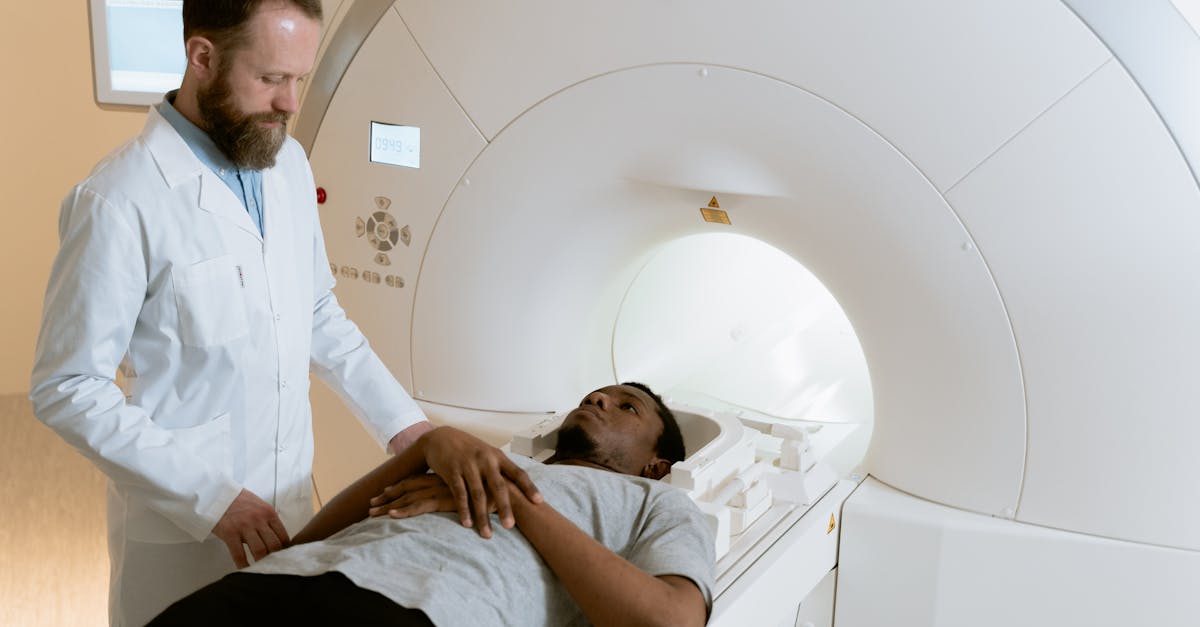
AI diagnostics promise faster results and improved accuracy in India, but challenges like regulatory hurdles and resource gaps loom large.
As India stands on the brink of a healthcare transformation, AI diagnostics emerge as a promising force. They offer the potential to bridge gaps in healthcare accessibility, enhance diagnostic accuracy, and reduce waiting times in a country where medical resources are often stretched thin. Yet, the reality of implementing AI diagnostics in India is complex, fraught with regulatory challenges, resource disparities, and ethical considerations.
Promises of AI Diagnostics
AI diagnostics bring the allure of speed and precision. Algorithms trained on vast datasets can analyze medical images or patient data in seconds, potentially outpacing human diagnosticians. This capability is particularly pertinent in India, where the doctor-to-patient ratio is 1:1456, according to the World Health Organization. AI could alleviate some pressure by providing rapid preliminary assessments that enable doctors to focus on complex cases.
One area where AI has shown promise is in radiology. Systems like Google’s DeepMind have demonstrated the ability to detect diseases such as diabetic retinopathy and lung cancer with accuracy rates comparable to trained specialists. For India, where rural areas may lack access to specialists, AI-powered diagnostics could serve as a valuable tool in early disease detection.
Not Just Plug-and-Play
However, the deployment of AI diagnostics isn't as simple as flipping a switch. A significant barrier lies in the quality and quantity of data available for training AI systems. India’s diverse population presents unique challenges; algorithms trained on Western data may not account for genetic, lifestyle, and environmental differences found in Indian patients.
Moreover, regulatory frameworks lag behind technological advancements. The Indian Council of Medical Research (ICMR) has yet to establish comprehensive guidelines for AI in healthcare, leaving innovators in a grey area. Without clear regulatory standards, there’s a risk of inconsistent application and potential misuse of AI diagnostics.
Addressing Infrastructure Gaps
India must also confront its infrastructural shortcomings. Many healthcare facilities, especially in rural areas, lack the basic technological infrastructure needed to support sophisticated AI systems. Internet connectivity, reliable electricity, and trained personnel are essential yet often absent in these settings.
Initiatives to improve digital infrastructure and healthcare training are paramount if AI diagnostics are to be implemented successfully. Organizations like the National Digital Health Mission (NDHM) aim to create a comprehensive digital health ecosystem, but progress is gradual and requires significant investment.
Ethical and Social Implications
Beyond logistical hurdles, AI diagnostics raise ethical questions. Data privacy is a major concern. As healthcare providers digitize patient records for AI analysis, safeguarding sensitive information becomes critical. India’s Personal Data Protection Bill is still in legislative limbo, leaving patient data vulnerable to breaches.
Moreover, the introduction of AI diagnostics could exacerbate existing inequities. Wealthier urban areas might benefit from cutting-edge AI systems, while rural regions remain deprived. Ensuring equitable access to AI technologies is a challenge that policymakers must not overlook.
Looking Ahead
India’s journey with AI diagnostics is one of potential and pitfalls. The technology offers a path to a more efficient and effective healthcare system, but only if its implementation is handled with foresight. Policymakers, healthcare providers, and technologists must collaborate to create a framework that addresses regulatory, infrastructural, and ethical issues. As Dr. Devi Shetty, a prominent Indian heart surgeon, once remarked, "Technology is a great equalizer in healthcare, but only if we make it accessible to all."