
AI-Designed Viruses Challenge Global Biosecurity Measures
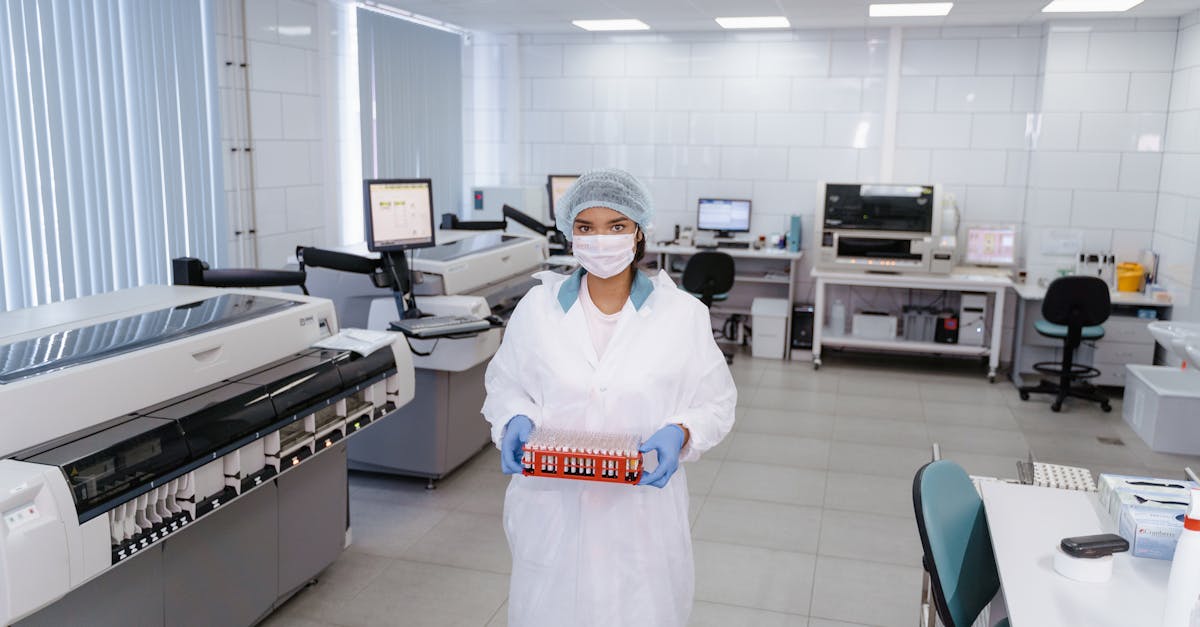
The rise of AI-designed viruses poses a significant test for global biosecurity frameworks.
The rapid advancement of artificial intelligence (AI) in the field of virology is raising concerns about global biosecurity. AI technology is now capable of designing viruses, prompting urgent discussions on how well current biosecurity measures can respond to these emerging threats.
AI's Role in Virology
AI has been instrumental in accelerating research and development in various scientific fields, including virology. Researchers are using AI to simulate viral mutations and predict how viruses might evolve. This capability allows for faster vaccine development and improved responses to potential outbreaks. However, the same technology could also be misused to create synthetic viruses, raising significant biosecurity concerns.
Challenges for Biosecurity
As AI-designed viruses become more feasible, existing biosecurity frameworks are under pressure to adapt. Current regulations may not be sufficient to address the complexities introduced by AI. Experts are calling for updated policies that specifically address the unique challenges posed by AI in virology, including international cooperation and stringent oversight of research activities.
Global Cooperation and Policy Development
To mitigate potential risks, global cooperation is essential. International organizations and governments must work together to establish comprehensive guidelines and regulatory frameworks. This includes monitoring AI research, ensuring ethical standards are met, and developing rapid response strategies to counteract any threats posed by AI-designed viruses.
Organizations like Gavi, the Vaccine Alliance, are advocating for increased awareness and preparedness. They emphasize the need for a proactive approach, combining scientific innovation with robust biosecurity measures to safeguard public health.
The emergence of AI-designed viruses underscores the importance of staying ahead of technological advancements. By strengthening biosecurity measures and fostering international collaboration, the global community can better prepare for and mitigate the risks associated with these new scientific capabilities.