
AI Dermatology Imaging Set to Transform Skin Diagnosis by 2036
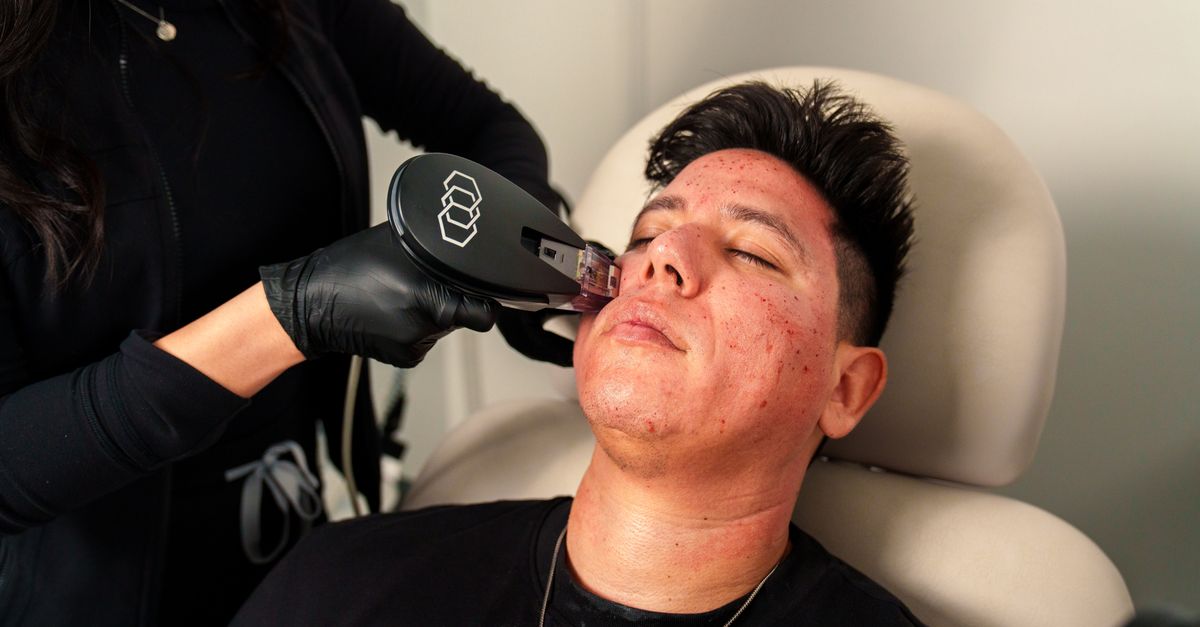
AI-driven tools in dermatology imaging are projected to revolutionize skin diagnosis, with significant growth forecast from 2026 to 2036.
The AI dermatology imaging market is poised for substantial growth over the next decade, as technological advancements continue to enhance diagnostic accuracy and accessibility. Future Market Insights projects a significant expansion in the sector between 2026 and 2036, driven by increasing demand for efficient and accurate skin disease diagnosis.
Technological Advances Fueling Growth
Innovations in artificial intelligence have dramatically improved the capabilities of dermatology imaging tools. By employing machine learning algorithms, these systems can now analyze skin images with greater precision, identifying conditions such as melanoma and other skin disorders more reliably than traditional methods.
AI's ability to process large datasets quickly allows for the development of predictive models that can aid in early detection and intervention. This technological leap is expected to lower misdiagnosis rates and improve patient outcomes, fostering broader acceptance among healthcare providers.
Market Drivers and Regional Insights
The growing prevalence of skin disorders globally is a major factor propelling the AI dermatology imaging market. Factors such as increased UV exposure and lifestyle changes contribute to higher incidences of skin cancer and other dermatological conditions, necessitating advanced diagnostic solutions.
North America and Europe are currently leading the market due to their robust healthcare infrastructure and early adoption of cutting-edge technologies. However, Asia-Pacific is anticipated to experience the fastest growth rate, fueled by rising healthcare investments and an increasing awareness of skin health.
Challenges and Opportunities
Despite its promising outlook, the AI dermatology imaging market faces several challenges. Data privacy concerns and the need for extensive training datasets pose significant hurdles. Moreover, regulatory approvals can be slow, hindering the rapid deployment of new technologies.
Nonetheless, opportunities abound for companies that can navigate these challenges. Collaborations between tech firms and healthcare providers are expected to accelerate the development and deployment of AI tools. Additionally, ongoing improvements in AI algorithms promise to enhance diagnostic accuracy further, making these tools indispensable in dermatology practices worldwide.
As the AI dermatology imaging market continues to evolve, stakeholders across the healthcare spectrum must adapt to harness the full potential of these innovations, ultimately improving patient care and outcomes.