
AI-based surgical training simulators in India
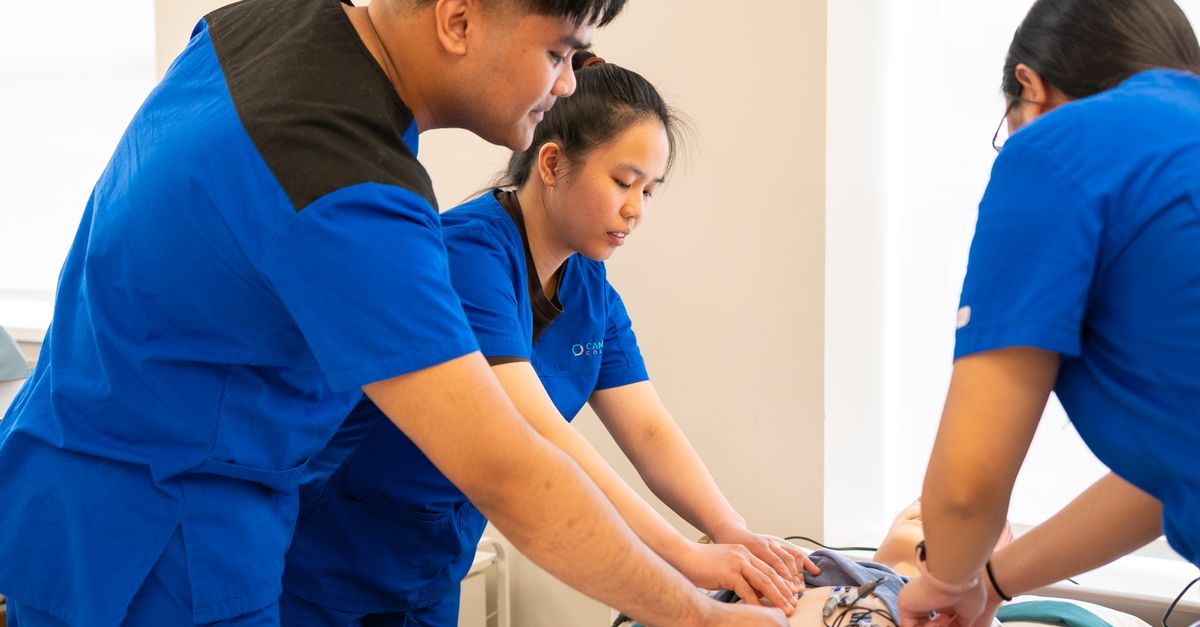
AI surgical simulators are transforming training in India.
Transforming Surgical Education: AI Simulators in India
===INTRO:===
As the landscape of medical education evolves, Artificial Intelligence (AI) is playing a pivotal role in reshaping surgical training in India. The integration of AI-based surgical simulators is addressing the limitations of traditional training methods, offering a more effective and engaging learning experience for aspiring surgeons. These innovative tools not only enhance skill acquisition but also improve patient safety and outcomes, aligning with the growing demand for high-quality healthcare in the country.
In recent years, several institutions across India have begun adopting AI-driven simulators, which provide realistic surgical environments for trainees. These simulators integrate advanced technologies such as machine learning and virtual reality to create immersive scenarios. This approach allows medical students and professionals to practice surgical techniques without the risks associated with real-life operations. As a result, these simulators are becoming an essential part of the surgical curriculum in medical colleges and training centers.
Moreover, the affordability and accessibility of these solutions are important factors in their implementation. With a focus on broadening access to quality medical education, several startups in India are developing cost-effective AI simulators. This democratization of surgical training tools is expected to bridge the gap between urban and rural healthcare settings, ensuring that more aspiring surgeons can benefit from high-level training regardless of their geographic location.
Enhancing Training Efficiency with AI in Medical Simulations
The traditional model of surgical training often involves a steep learning curve, where trainees must rely on observation and limited hands-on experience. AI-based surgical simulators are enhancing training efficiency by providing a platform for repetitive practice in a risk-free environment. These simulations offer instant feedback, which allows learners to identify their strengths and weaknesses quickly and adjust their techniques accordingly. This iterative learning process is especially valuable in high-stakes fields like surgery, where precision and skill are crucial.
Alongside skill development, AI simulators also incorporate data analytics to track a trainee's progress over time. By analyzing performance metrics, these tools can help educators tailor training programs to meet individual needs. Such personalized learning experiences are proving beneficial in preparing surgeons for the complexities of real-life surgeries. Furthermore, the ability to simulate rare or complicated procedures ensures that trainees acquire a broad skill set, better preparing them for unexpected challenges in the operating room.
The potential for AI-based simulators to enhance training efficiency extends beyond individual skill acquisition. By standardizing training protocols, these tools also contribute to improved team dynamics in surgical settings. As surgical teams often comprise professionals from various specialties, the use of simulators fosters collaboration and communication among team members. This comprehensive approach not only elevates the quality of surgical education in India but also ensures that healthcare professionals are more adept at working together, ultimately benefiting patient care.
===OUTRO:===
In summary, AI-based surgical training simulators are revolutionizing the landscape of medical education in India. By enhancing training efficiency, providing realistic practice environments, and fostering collaboration among healthcare professionals, these advanced tools are paving the way for a new generation of skilled surgeons. As the technology continues to evolve and become more accessible, it holds the promise of not only transforming surgical education but also improving overall healthcare outcomes across the country. The future of surgical training in India looks promising, with AI at the forefront of this significant transformation.