
AI-based organ transplant matching systems
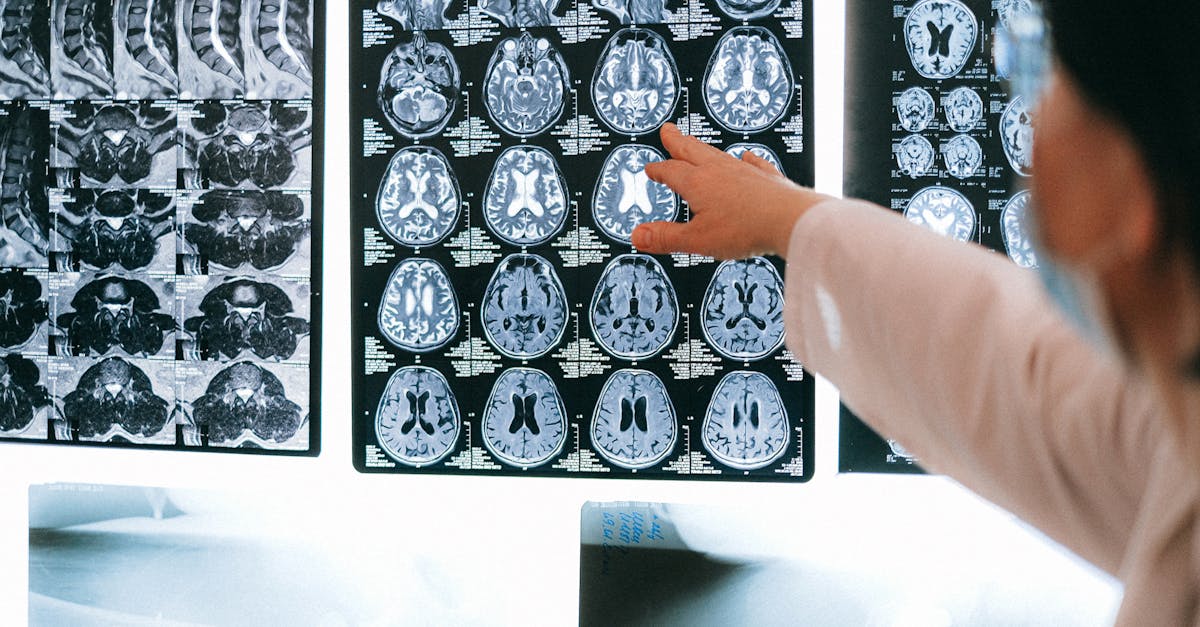
AI is transforming organ transplant matching systems, enhancing efficiency.
The integration of artificial intelligence (AI) into healthcare has ushered in a new era of efficiency and precision, particularly in the field of organ transplantation. Organ transplant matching systems are critical in ensuring that patients receive the most suitable organs, ultimately saving lives. Traditional methods of matching donors to recipients are often time-consuming and can be influenced by a variety of factors, including organ compatibility and geographical location. AI-based systems have shown promise in streamlining this complex process, enhancing the outcomes for patients in need of transplants.
Revolutionizing Organ Transplants: The Role of AI Matching Systems
AI-based organ transplant matching systems utilize advanced algorithms and machine learning to analyze vast datasets. These systems take into account various factors such as tissue compatibility, blood type, and medical history to identify the best possible matches between donors and recipients. For instance, AI can process data more rapidly than traditional methods, allowing for quicker decision-making when time is of the essence. This is especially crucial in transplant scenarios where the viability of an organ may be limited, thereby increasing the chances of successful transplants.
Moreover, AI can assess additional variables that human evaluators might overlook. By incorporating real-time data and predictive analytics, these systems can improve outcomes by identifying potential complications and suggesting alternative matches. This approach not only enhances the likelihood of transplant success but also reduces the risks of organ rejection. As hospitals and transplant centers begin to adopt these AI-driven systems, the overall efficiency of the organ allocation process is expected to improve significantly.
However, the implementation of AI in organ transplant matching is not without challenges. Ethical considerations, such as data privacy and algorithmic bias, must be addressed to ensure equitable access to organ transplants across diverse populations. Additionally, the reliance on AI necessitates that healthcare professionals remain engaged in the decision-making process to interpret results and make informed choices. Ensuring that AI systems complement rather than replace human judgment will be key to their success in this sensitive area of healthcare.
Enhancing Lifesaving Procedures with AI in Organ Allocation
The adoption of AI in organ allocation can lead to more effective resource management within healthcare systems. By optimizing how organs are distributed, AI can help reduce waiting times for patients in critical need. This capability is especially important in countries like India, where the demand for organ transplants far exceeds supply. AI systems can analyze geographic data to prioritize organ distribution, ensuring that organs are allocated to recipients who are in the closest proximity to the donor, thereby enhancing the likelihood of successful transplants.
Additionally, AI has the potential to facilitate cross-border organ sharing, which can be a game changer for countries facing severe organ shortages. By establishing networks that utilize AI-driven data analysis, countries can collaborate more effectively to match donors and recipients, thereby saving more lives. This collaborative approach not only maximizes the use of available organs but also fosters global cooperation in addressing organ transplant shortages.
Despite the promising advancements, there is a pressing need for ongoing research and development to refine these AI systems. Continuous learning from past transplant cases will enhance the algorithms, making them even more reliable and effective over time. Moreover, training healthcare professionals to work alongside AI systems will ensure that the human touch remains an integral part of the transplant process, balancing technological advancements with compassionate care.
As AI-based organ transplant matching systems continue to evolve, they hold the potential to significantly impact the landscape of organ transplantation. By improving efficiency, enhancing matching accuracy, and facilitating better resource allocation, these systems could transform the lives of countless patients in need of transplants. However, addressing the ethical, technical, and human aspects of these advancements is crucial to ensure that they are utilized effectively and compassionately. The future of organ transplantation may very well hinge on the successful integration of AI, paving the way for a more equitable and efficient healthcare system.