
AI-assisted second opinions in oncology diagnostics
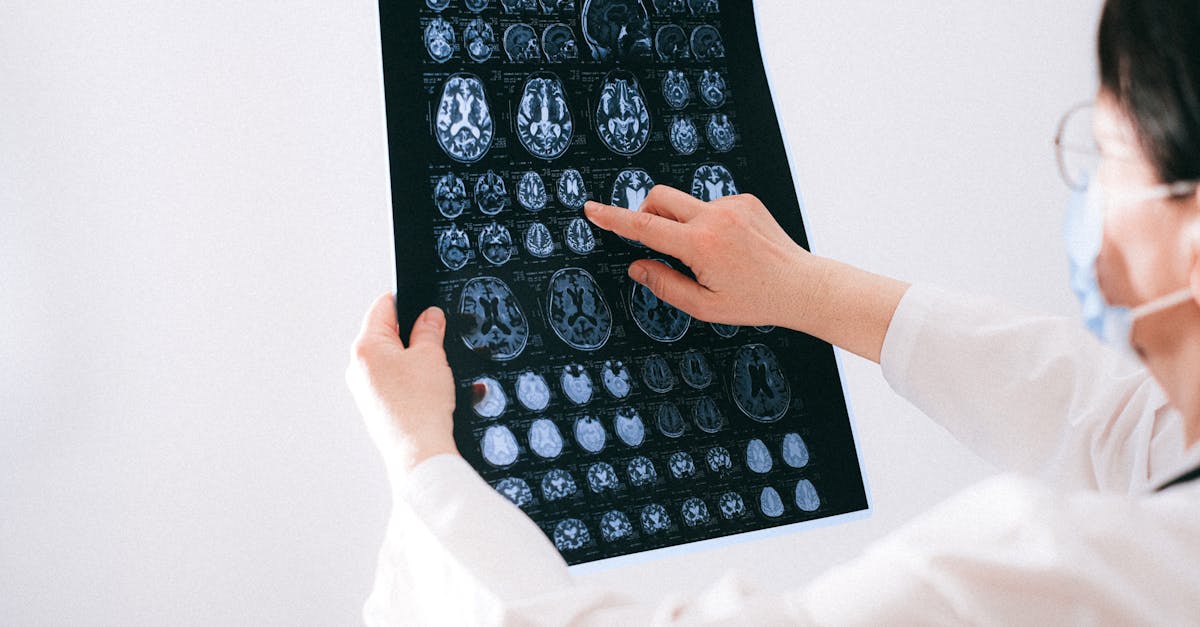
AI is transforming oncology with enhanced second opinions.
===
In recent years, the integration of artificial intelligence (AI) into healthcare has sparked significant interest, particularly in oncology diagnostics. The ability of AI to analyze vast amounts of data quickly and accurately offers an innovative approach to diagnosing cancer, where early detection can significantly impact patient outcomes. One of the most promising applications of this technology is in providing AI-assisted second opinions, which can enhance diagnostic accuracy and bolster confidence in clinical decision-making. As the healthcare landscape evolves, understanding the implications of AI in oncology becomes crucial for both patients and professionals.
The Role of AI in Enhancing Oncology Diagnostic Accuracy
AI technologies, particularly machine learning algorithms, have demonstrated their potential to improve the accuracy of oncology diagnostics. These systems can analyze medical images, pathology slides, and genetic data with remarkable precision. For instance, algorithms trained on extensive datasets can identify subtle patterns that may be missed by the human eye, leading to more accurate identification of tumors and other abnormalities. According to a recent study published in Nature Medicine, AI systems can match or even surpass human radiologists in detecting breast cancer, illustrating the technology's potential to enhance diagnostic capabilities.
Moreover, AI's ability to process diverse data sources allows for a more comprehensive understanding of a patient's condition. By synthesizing information from medical history, imaging studies, and genomic profiles, AI can assist healthcare professionals in formulating a more nuanced view of the cancer's characteristics. This multidimensional analysis can help in distinguishing between aggressive and indolent tumors, offering insights that can inform treatment options. By enhancing the accuracy of diagnostics, AI not only aids in timely intervention but also mitigates the risk of misdiagnosis, a crucial factor in cancer care.
However, the implementation of AI in oncology diagnostics is not without challenges. Data privacy concerns, the need for robust validation studies, and the integration of AI systems into existing workflows represent hurdles that must be addressed. Collaborative efforts between technologists, oncologists, and regulatory bodies are essential to ensure that AI tools are both effective and safe for patient use. As these challenges are navigated, the promise of AI-assisted diagnostics continues to inspire hope for improved cancer care.
How AI-Assisted Second Opinions Are Changing Cancer Care
The integration of AI-assisted second opinions into oncology is transforming the way diagnoses are confirmed and treatment plans are developed. Traditionally, patients may seek second opinions from different specialists to validate a diagnosis, often facing challenges such as access to care and varying expertise. AI-driven platforms now allow for rapid and reliable second opinions by leveraging advanced algorithms that analyze patient data against extensive databases of prior cases. This accessibility can significantly streamline the decision-making process, providing patients with quicker reassurance and a clearer understanding of their condition.
AI-assisted second opinions also contribute to a more equitable healthcare landscape. Patients in rural or underserved areas may not have immediate access to specialized oncologists, making it difficult to obtain a second opinion. With AI tools, medical practitioners can share diagnostic information securely with remote experts who can quickly analyze the data and provide feedback. This democratization of second opinions helps bridge the gap in healthcare disparities, ensuring that all patients have the opportunity for comprehensive evaluations, regardless of their geographical location.
Furthermore, AI-assisted second opinions can foster greater patient engagement and empowerment. As patients become more informed about their diagnoses and treatment options, they are better equipped to participate actively in their healthcare decisions. Knowing that an AI system has corroborated a diagnosis can alleviate anxiety and build trust in the treatment plan. However, while AI offers valuable insights, it is essential to remember that these tools should complement, not replace, the expertise and judgment of healthcare professionals. Collaborative decision-making remains key to effective cancer care.
===
As AI technology continues to develop, its role in oncology diagnostics and second opinions is poised to expand further. While the benefits of enhanced accuracy and accessibility are evident, ongoing research, ethical considerations, and clinician oversight will be vital to ensuring its responsible integration into patient care. The future of cancer diagnosis and treatment may well hinge on the harmonious collaboration between human expertise and artificial intelligence, ultimately leading to better outcomes for patients and a more efficient healthcare system. As the healthcare community navigates this evolving landscape, a focus on patient-centric care will remain paramount in improving the lives of those affected by cancer.