
AI-assisted pathology slide analysis for cancer diagnosis
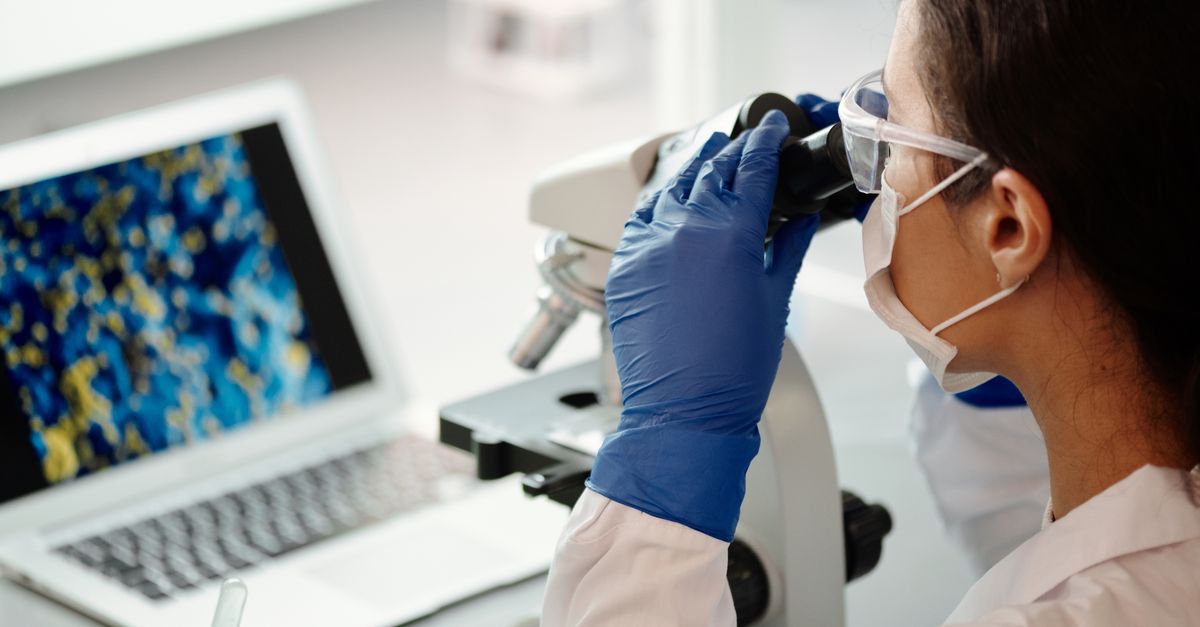
AI is transforming cancer diagnosis through advanced slide analysis.
Transforming Cancer Diagnosis: The Role of AI in Pathology
===
The landscape of cancer diagnosis is witnessing a significant transformation, largely driven by advancements in artificial intelligence (AI). Pathology, a critical component in cancer diagnosis, involves the examination of tissue samples to identify malignancies. Traditionally, this process has relied heavily on the expertise of pathologists, who evaluate slides under a microscope. However, the integration of AI technologies into pathology is proving to be a game changer, enhancing efficiency and accuracy in identifying cancerous cells.
AI algorithms can analyze pathology slides at an unprecedented speed and precision, allowing for more timely diagnoses. By training machine learning models on vast datasets of histopathological images, these systems can learn to recognize patterns and anomalies indicative of cancer. This not only alleviates some of the burdens faced by pathologists but also has the potential to reduce diagnostic errors, which can have critical implications for patient outcomes.
As more institutions adopt AI-assisted techniques, the role of pathologists is evolving. They are now positioned to collaborate with AI, leveraging its capabilities to support their expertise rather than replace it. This partnership may lead to a more comprehensive understanding of cancer pathology, paving the way for more personalized treatment approaches and improved patient care.
Enhancing Accuracy: AI-Driven Analysis of Pathology Slides
The accuracy of cancer diagnostics is paramount, as even minor errors can lead to significant consequences for patient management. AI-driven analysis of pathology slides facilitates a more meticulous examination of tissue samples. Using convolutional neural networks (CNNs) and other machine learning models, AI systems can detect subtle features within slides that might be easily overlooked by human eyes. This heightened sensitivity allows for earlier detection of cancer and more precise classification of tumor types, which is essential for determining appropriate treatment strategies.
Moreover, AI systems can assess large volumes of data quickly, enabling pathologists to focus on more complex cases that require human discernment. This efficiency can significantly reduce turnaround times for diagnostic results, which is crucial in cancer care when every moment counts. Institutions that have integrated AI into their pathology workflows report not only faster processing times but also improved inter-observer agreement among pathologists, leading to more consistent and reliable results.
Despite these advancements, it is essential to adopt a cautious approach when integrating AI into clinical settings. Ongoing validation studies are necessary to ensure that AI systems maintain high accuracy across diverse populations and pathologies. Ensuring that these systems are transparent and interpretable will also be vital in building trust among healthcare professionals and patients alike. As the technology matures, it has the potential to become an invaluable tool in the quest for more accurate cancer diagnoses.
===
AI-assisted pathology slide analysis is undoubtedly transforming the landscape of cancer diagnosis, ushering in a new era of precision and efficiency. While the technology offers promising benefits, it is essential to approach its implementation thoughtfully, emphasizing collaboration between AI systems and healthcare professionals. By combining the strengths of human expertise with the capabilities of AI, the healthcare community stands to make significant strides in improving cancer diagnosis and, ultimately, patient outcomes. As research continues and technology evolves, the future of AI in pathology holds great promise for enhancing the fight against cancer.