
AI-Assisted Brain Surgery Marks New Era for NHS Digital Health
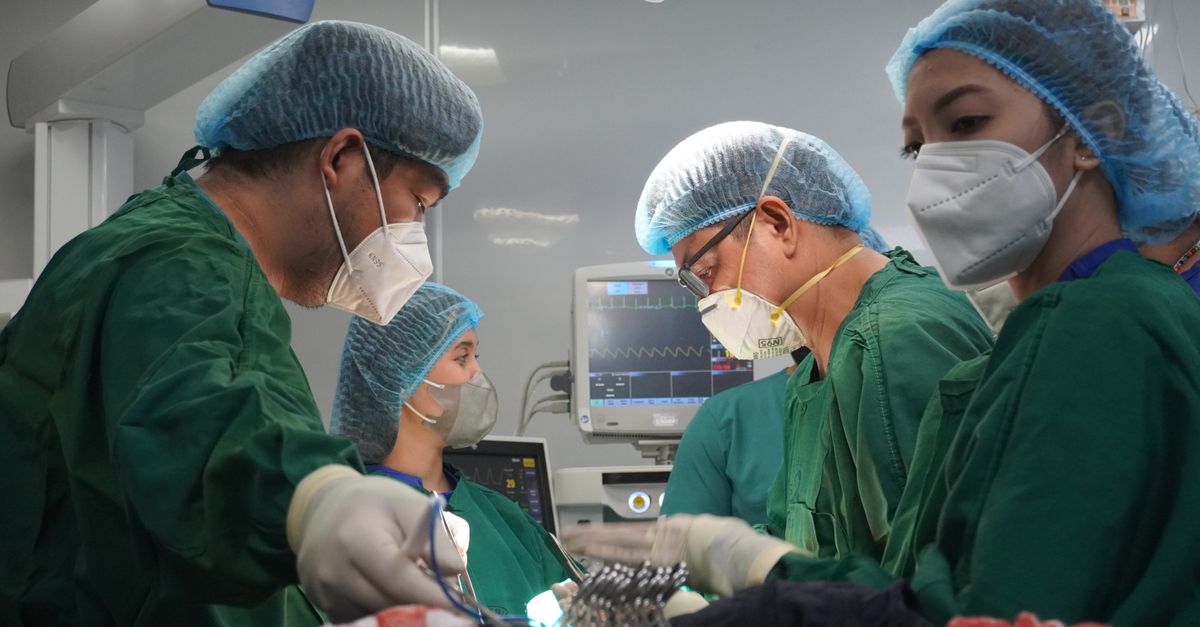
The NHS performs the world's first AI-assisted brain surgery, spotlighting digital health advancements.
The National Health Service (NHS) has accomplished a groundbreaking medical feat by conducting the world's first brain surgery with real-time artificial intelligence (AI) assistance. This landmark operation, performed by neurosurgeons in London, involved the successful removal of a brain tumor, highlighting the NHS's commitment to integrating advanced technology into healthcare.
AI's Role in the Operating Room
The AI technology used in this surgery acted as a 'second pair of eyes,' providing real-time analysis and guidance to the surgical team. This innovative approach allowed for enhanced precision and reduced the likelihood of human error during the procedure. The AI system continuously processed imaging data, offering surgeons critical insights that informed their decisions on the operating table.
Such technological integration is seen as a significant step forward in medical procedures, potentially improving surgical outcomes and patient safety. The successful operation not only demonstrates the capabilities of AI in healthcare but also sets a precedent for future surgeries that might benefit from similar technological support.
NHS and Digital Health Transformation
This pioneering surgery sheds light on the NHS's broader strategy to embrace digital transformation. The integration of AI in medical procedures is part of a larger effort to modernize healthcare services across the UK. By incorporating cutting-edge technology, the NHS aims to enhance the quality and efficiency of patient care.
Health experts suggest that AI can revolutionize various aspects of healthcare, from diagnostics to treatment plans. The NHS's adoption of AI-assisted surgery is seen as a testament to its willingness to innovate and improve healthcare delivery. This move aligns with global trends where AI is increasingly being used to tackle complex medical challenges.
Regulatory and Ethical Considerations
The introduction of AI in surgical procedures also raises important questions about regulation and ethics. As AI becomes more prevalent in medical settings, there is a growing need for comprehensive guidelines to ensure its safe and ethical use. The UK government and health authorities are likely to face increased pressure to develop robust regulatory frameworks that address these concerns.
Experts argue that while AI holds immense potential, it must be implemented with caution to avoid potential pitfalls. Ensuring data privacy, maintaining transparency in AI decision-making, and addressing the ethical implications of machine-assisted medicine are crucial steps in this digital transition.
The success of this AI-assisted brain surgery marks a significant milestone for the NHS and the broader healthcare sector. It illustrates the potential of digital technologies to enhance medical practices and improve patient outcomes, setting a new standard for surgical excellence.