
AI and Noncontrast Imaging: The Future of Cardiac CT
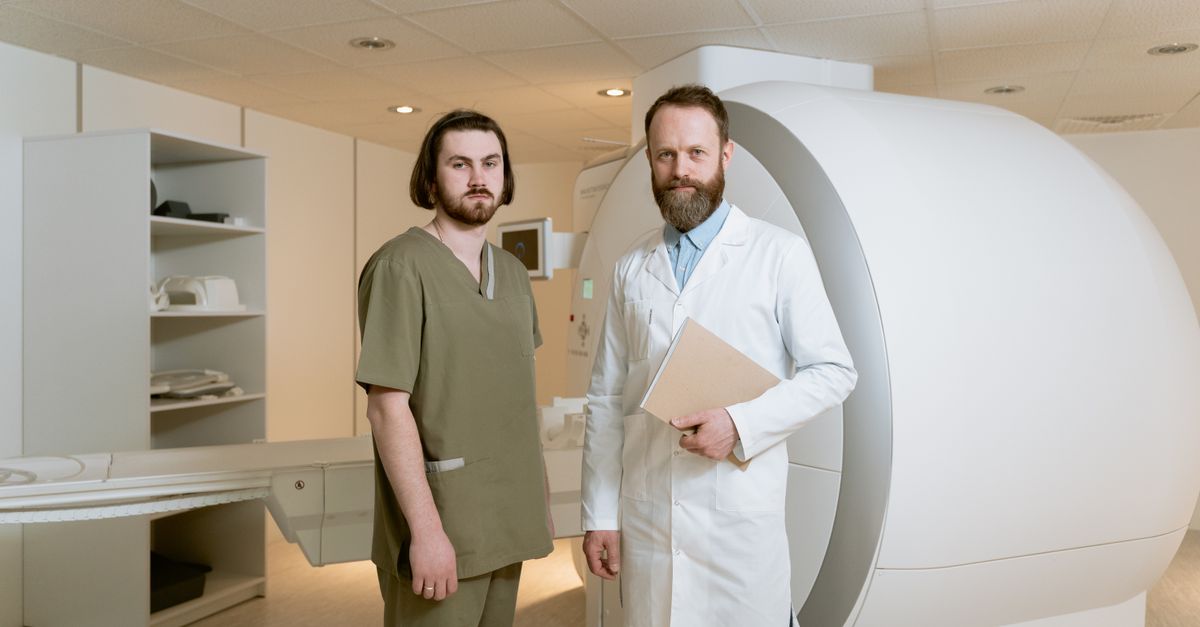
Advancements in AI and noncontrast imaging are set to transform cardiac CT, enhancing prevention and diagnostics.
The field of cardiac computed tomography (CT) is on the cusp of transformative changes, with artificial intelligence (AI) and noncontrast imaging poised to play significant roles in its evolution. These advancements promise to enhance the diagnostic capabilities and preventive measures associated with cardiac health.
AI-Driven Prevention in Cardiac CT
Artificial intelligence is increasingly being integrated into cardiac CT processes to improve the accuracy and efficiency of diagnostics. AI algorithms can analyze vast amounts of imaging data quickly, identifying patterns and anomalies that might be missed by the human eye. This capability is particularly valuable in preventive cardiology, where early detection of potential issues can lead to more effective interventions.
By automating routine tasks and offering diagnostic support, AI can help reduce the workload on radiologists and improve patient outcomes. Moreover, AI-driven tools have the potential to personalize patient care, tailoring screening and treatment plans to individual risk profiles.
Advancements in Noncontrast Imaging
Noncontrast imaging is another area of development that could reshape cardiac CT. Traditionally, contrast agents have been used to enhance imaging clarity, but they carry risks for patients with allergies or kidney issues. Noncontrast imaging techniques aim to mitigate these risks while maintaining diagnostic accuracy.
Recent innovations in imaging technology are enabling clearer visualization of cardiac structures without the need for contrast agents. This advancement could make cardiac CT more accessible and safer for a broader range of patients, particularly those with contraindications to contrast media.
Implications for Healthcare Providers
The integration of AI and noncontrast imaging in cardiac CT not only stands to improve patient care but also offers significant implications for healthcare providers. These technologies can streamline operations, reduce costs, and enhance diagnostic accuracy. Providers who adopt these advancements may find themselves at a competitive advantage, offering cutting-edge services that improve patient outcomes.
As these technologies continue to develop, ongoing research and collaboration between tech companies, healthcare providers, and regulatory bodies will be crucial. Ensuring the safety, efficacy, and ethical use of AI in medical imaging will be a key focus for the industry moving forward.
In conclusion, the future of cardiac CT is bright, with AI-driven prevention and noncontrast imaging leading the way. These innovations promise not only to advance diagnostic capabilities but also to improve overall patient care in the field of cardiology.