
Age-Related Macular Degeneration: A Growing Challenge for Aging Americans
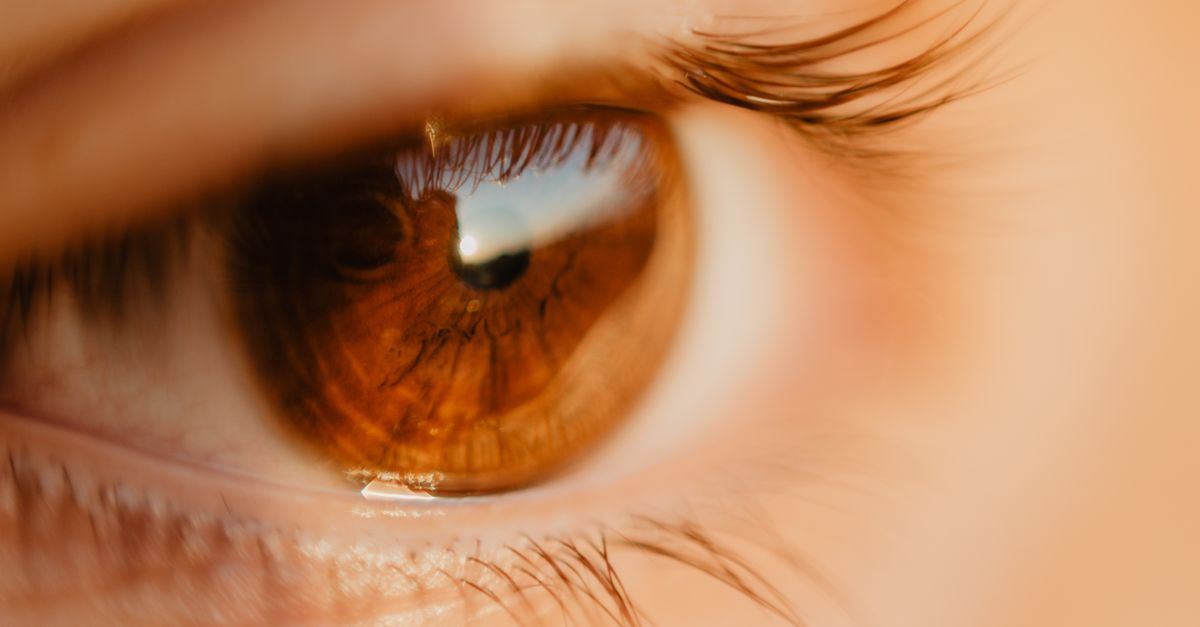
Age-related macular degeneration is a leading cause of vision loss in Americans over 50. Understanding its impact is crucial as the population ages.
As the U.S. population continues to age, age-related macular degeneration (AMD) is emerging as a critical public health issue. Affecting more than 11 million Americans, AMD is the leading cause of vision loss in individuals over 50. With the baby boomer generation entering their senior years, the prevalence of AMD is expected to increase significantly, posing challenges for patients, healthcare providers, and policymakers alike.
Understanding AMD and Its Impact
AMD primarily affects the macula, the central part of the retina responsible for sharp, straight-ahead vision. There are two forms of AMD: dry and wet. Dry AMD, the more common form, progresses slowly and results in gradual vision loss. Wet AMD, though less common, is more severe and can lead to rapid vision deterioration.
The impact of AMD can be debilitating. As the disease progresses, it becomes increasingly difficult for individuals to perform daily activities such as reading, driving, and recognizing faces. In a country where independence is highly valued, the loss of vision can lead to depression, isolation, and a decreased quality of life.
Treatment and Management Options
Currently, there is no cure for AMD, but treatments are available to slow its progression and manage symptoms. Anti-VEGF injections, approved by the FDA, are the standard treatment for wet AMD. These drugs, including ranibizumab (Lucentis) and aflibercept (Eylea), work by inhibiting the growth of abnormal blood vessels in the retina.
For dry AMD, the AREDS2 formula, a specific combination of vitamins and minerals, has been shown to reduce the risk of progression in certain patients. However, access to these treatments depends significantly on insurance coverage. Medicare typically covers anti-VEGF treatments, but the out-of-pocket costs can still be substantial, highlighting the need for policy discussions on coverage expansion.
The Role of Early Detection and Prevention
Early detection is crucial in managing AMD effectively. Regular eye exams are recommended for adults over 50, especially those with a family history of the condition. Optical coherence tomography (OCT) and fluorescein angiography are among the diagnostic tools used to detect changes in the retina early.
Preventive measures include lifestyle changes such as quitting smoking, maintaining a healthy diet rich in leafy greens and fish, and using UV-protective eyewear. The CDC and NIH emphasize these strategies as part of broader public health initiatives to combat vision loss in older adults.
Economic and Policy Considerations
The economic burden of AMD is substantial. According to the American Academy of Ophthalmology, direct medical costs associated with AMD exceed $4.6 billion annually in the U.S. alone. This figure does not account for indirect costs such as loss of productivity and informal caregiving.
As the incidence of AMD rises, so does the urgency for comprehensive policy approaches. The Centers for Medicare & Medicaid Services (CMS) plays a pivotal role in determining how AMD treatments are covered. Policy changes that aim to reduce financial barriers to care and support research into new therapies are critical.
Looking to the Future
Research into AMD continues at a rapid pace, with promising developments in gene therapy and stem cell research. As these technologies advance, they may offer new hope for preventing or even reversing AMD-related vision loss.
For now, healthcare providers must focus on patient education, early detection, and advocating for policies that ensure accessible and affordable treatment options. As the nation ages, addressing AMD effectively will be a testament to the healthcare system's adaptability and commitment to improving the quality of life for older Americans.