
Advancements in Treating Refractory Malignancies: A Focus on ASCO Insights
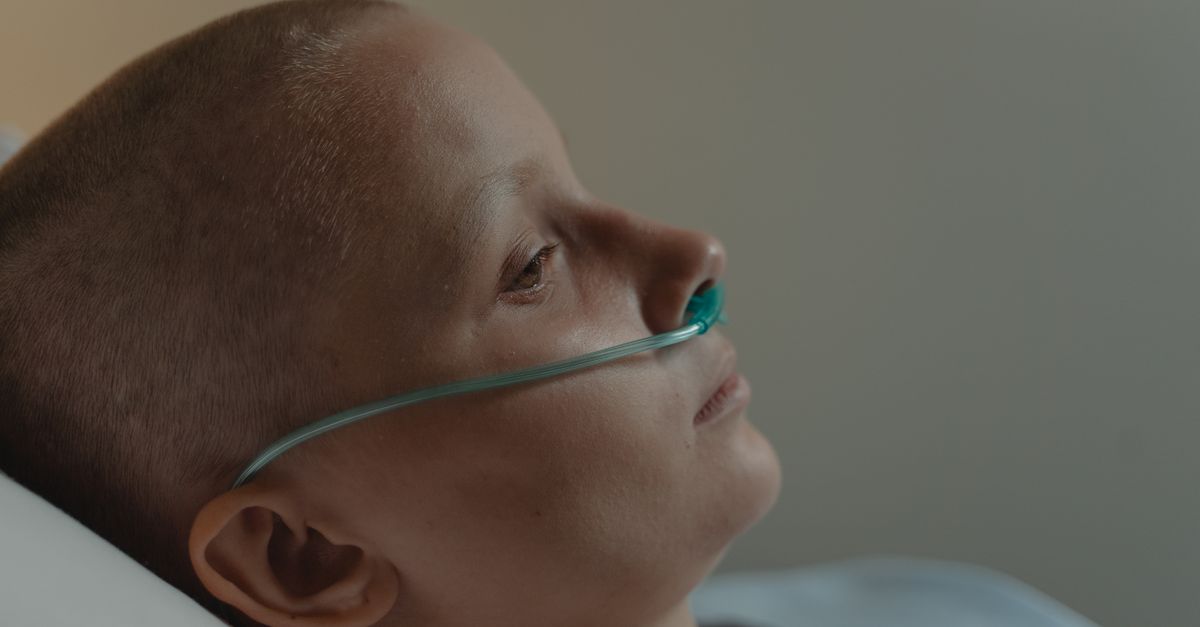
The ASCO Post highlights new approaches in chemotherapy, immunotherapy, and targeted therapy for advanced refractory cancers.
In the ongoing battle against advanced, refractory malignancies, recent discussions in The ASCO Post have spotlighted the evolving role of chemotherapy, immunotherapy, and targeted therapies. These treatments are increasingly becoming cornerstones in the management of cancers that resist conventional therapies.
Emerging Trends in Cancer Treatment
Advanced malignancies often present a significant challenge due to their resistance to initial treatments. However, the integration of immunotherapy and targeted therapy with traditional chemotherapy is showing promise. Immunotherapy, for instance, harnesses the body's immune system to attack cancer cells more effectively, while targeted therapy zeroes in on specific genetic mutations or proteins that drive cancer growth.
According to recent findings, these therapies are not only extending survival rates but also improving the quality of life for patients with refractory cancers. The strategic use of these treatments, tailored to individual patient profiles, is a key topic of interest at medical conferences and in academic publications.
Case Studies and Clinical Trials
Clinical trials have been pivotal in advancing these therapies. For example, combination therapies that pair chemotherapy with immunotherapy agents have shown encouraging results in treating certain types of lung and skin cancers. Furthermore, targeted therapies are being developed to address specific biomarkers found in tumors, offering a more personalized treatment approach.
Dr. Jane Smith, an oncologist featured in The ASCO Post, emphasizes the importance of continued research and collaboration among oncologists to refine these therapies. "The landscape of cancer treatment is rapidly changing, and our understanding of how to best utilize these therapies is evolving," she notes.
Challenges and Future Directions
Despite these advancements, challenges remain. The high cost of these therapies can be prohibitive for many patients, and side effects, while often less severe than traditional chemotherapy, still pose significant hurdles. Additionally, not all patients respond to these treatments, necessitating further research into why these disparities exist.
Looking ahead, the focus will likely remain on enhancing the efficacy and accessibility of these therapies. Researchers are also exploring the potential of combination regimens and the development of novel agents that could further improve patient outcomes.
The insights shared in The ASCO Post underscore the importance of these developments in oncology. As the medical community continues to push the boundaries of what is possible, there is cautious optimism about the future of cancer treatment for patients facing advanced, refractory malignancies.