
Adolescent Health Challenges in India: A Growing Concern
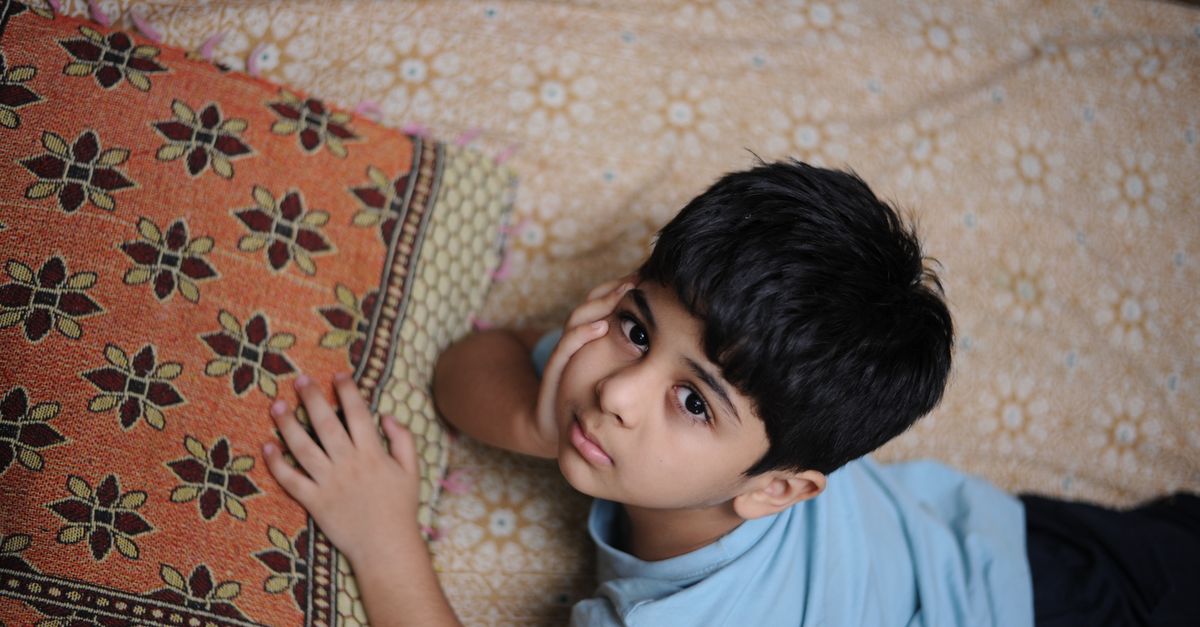
India's adolescents face unique health challenges. From mental health to nutrition, the hurdles are multifaceted and demand urgent attention.
In the labyrinth of India's vast healthcare system, the health of adolescents—those aged between 10 and 19 years—emerges as a complex and pressing issue. This demographic, comprising roughly one-fifth of the population, represents not just the future workforce but also the future parents of the nation. Yet, their health needs often slip through the cracks of policy and practice, overshadowed by more immediate public health crises.
Rising Mental Health Concerns
Mental health issues among adolescents in India are climbing at an alarming rate. A 2020 report by the Indian Council of Medical Research (ICMR) estimated that nearly 10-20% of Indian adolescents suffer from mental health disorders, including depression, anxiety, and suicidal tendencies. The stigma surrounding mental health, coupled with a lack of access to professional care, exacerbates these issues. Schools, the primary social environment for adolescents, often lack the resources or trained personnel to address these concerns adequately.
Nutritional Deficiencies and Their Impact
Undernutrition and anemia are rampant among Indian adolescents, particularly girls. According to the National Family Health Survey (NFHS-5), nearly 50% of adolescent girls are anemic. This deficiency is not merely a health issue; it affects educational outcomes and productivity, perpetuating cycles of poverty and ill-health. Government programs like the Mid-Day Meal Scheme aim to address these deficits, but their reach and efficacy vary significantly across regions.
The Burden of Infectious and Lifestyle Diseases
While infectious diseases remain a concern, lifestyle diseases are increasingly afflicting adolescents. The rise in obesity, diabetes, and hypertension among young people is a consequence of rapid urbanization, changing dietary patterns, and reduced physical activity. The World Health Organization (WHO) has highlighted the need for preventive strategies that include promoting physical activity and healthy eating habits within schools and communities.
Access to Reproductive Health Services
Access to reproductive health services remains a contentious issue. Adolescents often lack adequate information and services related to sexual and reproductive health, leading to higher rates of teenage pregnancies and sexually transmitted infections (STIs). The introduction of the Rashtriya Kishor Swasthya Karyakram (RKSK) by the Ministry of Health and Family Welfare aims to bridge these gaps by providing adolescents with comprehensive health services, although its implementation is inconsistent.
Policy and Community Engagement
Addressing adolescent health requires a multifaceted approach that includes policy reform, community engagement, and education. The government's role is pivotal in ensuring that health policies are inclusive of adolescent needs and that resources are allocated effectively. Community-level initiatives can play a significant role in dismantling stigma and promoting health literacy among adolescents and their families.
The path forward involves an integrated approach, combining governmental policy, educational reform, and community-based initiatives. As India strides toward becoming a global leader, the well-being of its adolescents should be a priority not only for their future but for the nation’s holistic progress. The challenge lies in transforming policy goals into tangible health outcomes for this crucial segment of the population.