
Addressing Modern Occupational Health Challenges in the Workplace
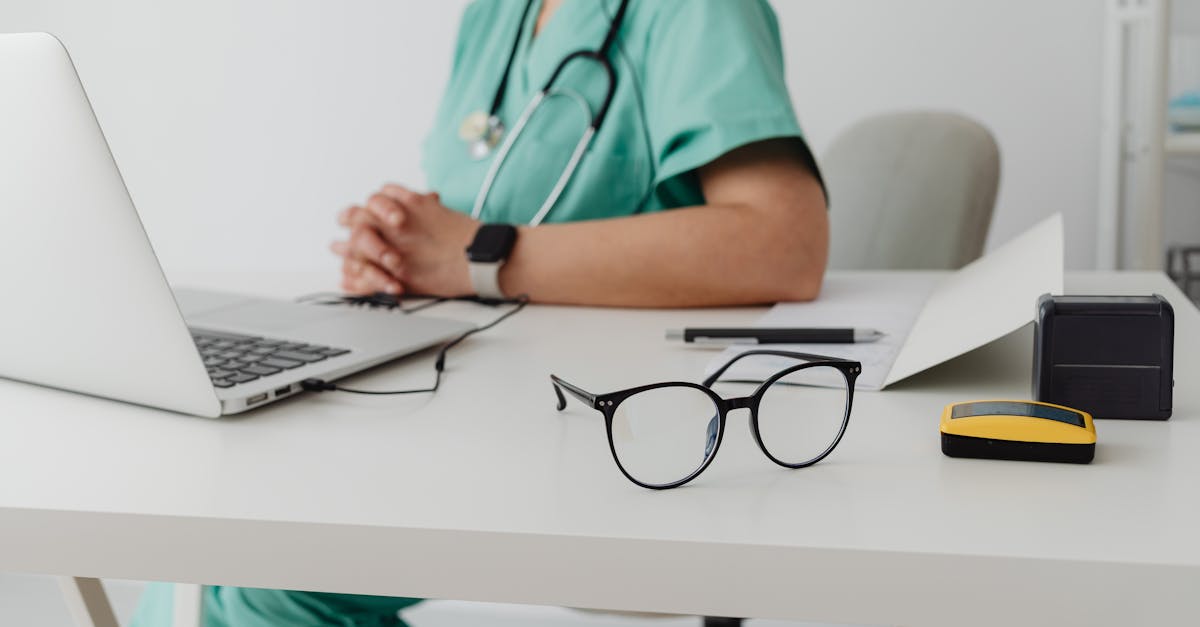
From mental health to ergonomic concerns, modern workplaces face diverse occupational health challenges. Effective solutions are crucial for employee well-being.
In today's workplace, occupational health challenges have taken on new dimensions, driven by technological advancements, evolving work environments, and increasing awareness of mental health issues. As organizations strive to maintain productivity and employee satisfaction, addressing these challenges has become imperative.
The Rise of Mental Health Concerns
Mental health has emerged as a critical issue in occupational health, with stress and burnout becoming commonplace. The World Health Organization estimates that depression and anxiety cost the global economy approximately $1 trillion per year in lost productivity. Employers are beginning to recognize that mental health is as important as physical health and are taking steps to provide support.
Companies like Deloitte and PwC have implemented comprehensive mental health programs that include counseling services, mental health days, and stress management workshops. However, small businesses often struggle with the resources needed to offer such programs, highlighting a gap that needs to be addressed at both industry and policy levels.
Ergonomic Challenges in the Digital Age
With the rise of remote work and prolonged computer use, ergonomic issues have become more prominent. Repetitive strain injuries and musculoskeletal disorders are increasingly common, with the U.S. Bureau of Labor Statistics reporting that these accounted for 30% of all workplace injuries in 2021.
Employers are turning to ergonomic assessments and equipment to combat these issues. Adjustable desks, ergonomic chairs, and screen position adjustments are simple yet effective solutions. Companies like Google and Facebook have invested heavily in creating ergonomic workspaces, but smaller companies often need guidance and support to implement similar measures.
Workplace Safety and Compliance
Traditional workplace safety concerns, though not new, continue to be a significant focus. Industries such as manufacturing and construction remain high-risk, necessitating rigorous safety protocols. The Occupational Safety and Health Administration (OSHA) has been instrumental in setting standards, but compliance can be challenging for companies without dedicated safety resources.
Technology is playing a crucial role in enhancing workplace safety. Wearable devices that monitor vital signs and detect hazardous exposure are becoming more common. These innovations, while promising, also raise questions about privacy and data security that need careful consideration.
Addressing the Challenges: A Collaborative Effort
Addressing occupational health challenges requires a collaborative effort from employers, employees, policymakers, and health professionals. Employers must foster a culture of health that prioritizes both mental and physical well-being. Government policies need to support this by providing guidelines and resources, especially for smaller businesses.
Moreover, employees should be encouraged to voice their concerns and participate in creating solutions. Programs that promote health literacy and provide education about workplace risks are essential. Such initiatives empower employees to take an active role in their own health and safety.
Looking Ahead: Opportunities for Innovation
The future of occupational health promises significant opportunities for innovation. Emerging technologies, such as AI and machine learning, hold potential for predictive analytics that can foresee health risks before they manifest. However, the integration of such technologies must be handled with care to ensure they are accessible and do not inadvertently exacerbate existing disparities.
As the workplace continues to evolve, so too must our approaches to occupational health. By recognizing the interconnectedness of mental and physical health and leveraging both human and technological resources, we can create safer, healthier workplaces for all.