
Addressing mental health of medical students and staff: stress, burnout, institutional support
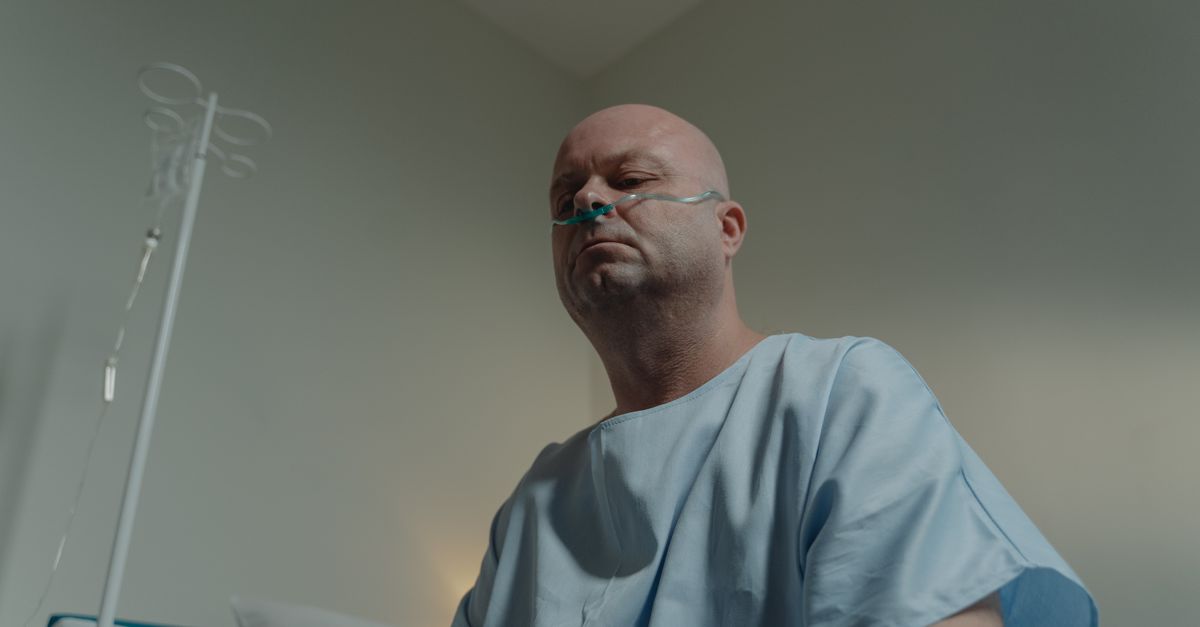
Mental health matters: support for students and staff is vital.
The field of medicine is demanding, and those who pursue it often face unprecedented levels of stress and burnout. As the pressure to excel academically and clinically mounts, both medical students and staff can experience significant mental health challenges. Understanding these issues and addressing them through robust institutional support is crucial for fostering a healthier academic environment.
Understanding Stress and Burnout in Medical Education
Medical students often contend with a unique combination of stresses, from high-stakes exams to the emotional toll of patient care. The rigorous curriculum and long hours can lead to chronic stress, which may manifest in physical, emotional, and cognitive symptoms. As students juggle their academic responsibilities with personal life challenges, the cumulative effect can quickly lead to burnout—a state of emotional, mental, and physical exhaustion.
Burnout is not just a personal problem; it has implications for patient care and the healthcare system as a whole. Medical professionals experiencing burnout may have reduced empathy, impaired decision-making, and a higher likelihood of making errors. These consequences can affect not only the well-being of students and staff but also the quality and safety of patient care, making it imperative to address these challenges proactively.
Furthermore, research shows that stress and burnout can also affect faculty and staff within medical schools. The demands of teaching, conducting research, and providing clinical care can lead to a toxic cycle of stress that impacts their ability to support students effectively. Understanding the shared experiences of both students and staff is essential for creating a comprehensive approach to mental health within the medical education system.
Enhancing Institutional Support for Mental Health Well-Being
To tackle the mental health challenges faced by medical students and staff, institutions must prioritize mental health resources. This includes offering counseling services, stress management workshops, and wellness programs tailored to the unique challenges of medical education. Creating a culture that encourages seeking help without stigma can empower both students and staff to address their mental health needs proactively.
Institutions should also consider incorporating mental health education into the curriculum. Teaching students about resilience, self-care, and coping mechanisms can equip them with the tools they need to navigate the pressures of medical training. Additionally, fostering a supportive community through peer mentoring programs can enhance the sense of belonging, making it easier for students to share their experiences and seek help.
Moreover, institutional support must extend to faculty and staff. Regular check-ins, professional development focused on mental health, and access to resources can help mitigate the risk of burnout among educators and clinicians. Investing in the mental well-being of the entire medical community is not just an ethical obligation; it is essential for sustaining a high standard of education and care.
Addressing the mental health of medical students and staff is a multifaceted challenge that requires a concerted effort from educational institutions. By understanding the root causes of stress and burnout and enhancing institutional support, we can create a healthier and more resilient medical community. Ultimately, prioritizing mental health will not only benefit students and staff but also enhance the quality of care provided to patients, fostering a more compassionate and effective healthcare system.