
Addressing Healthcare Inequality in Washington, DC: A Pressing Challenge
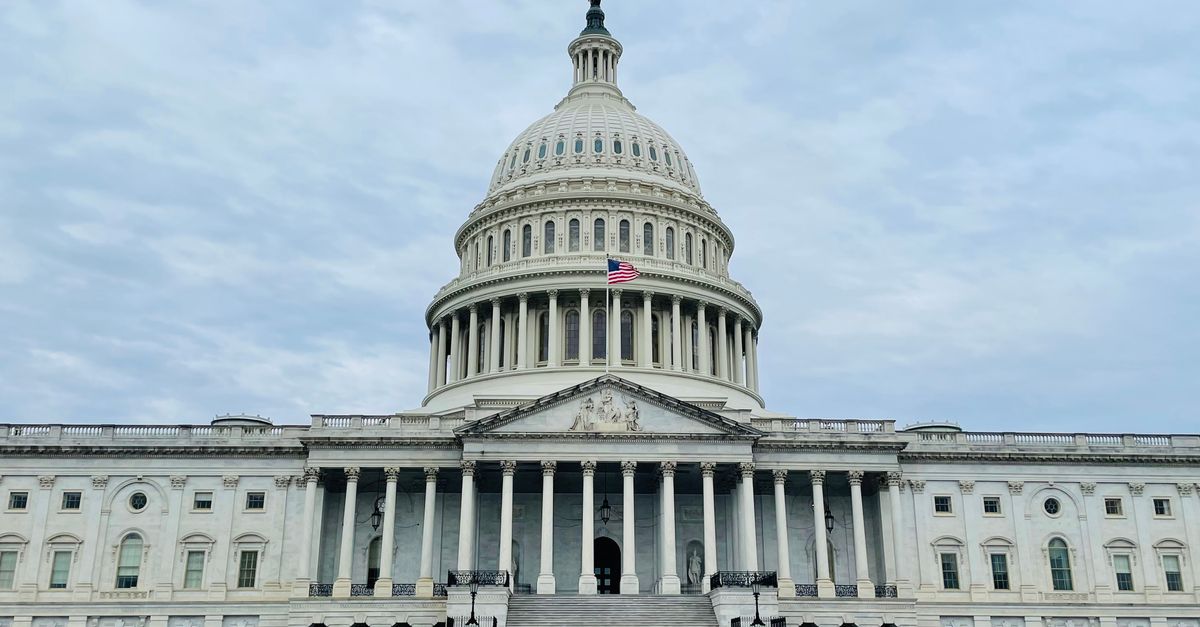
Healthcare inequality in Washington, DC reflects systemic issues in the US, demanding urgent policy attention and innovative solutions.
Washington, DC, despite being the epicenter of political power and decision-making, struggles with a stark and disturbing reality: healthcare inequality. The nation's capital, home to some of the most influential healthcare policymakers, is also a living testament to the disparities that plague the American healthcare system. This dichotomy raises critical questions about the efficacy of existing policies and the urgent need for reform.
Why Healthcare Inequality Persists in the Capital
Healthcare inequality in Washington, DC is not a new phenomenon. The city's population, a mix of affluent political figures and low-income residents, highlights a stark contrast in access to healthcare services. According to the DC Health Matters Collaborative, Ward 8, predominantly African American and economically disadvantaged, has some of the highest rates of chronic diseases and lowest life expectancy in the region. Meanwhile, residents in wealthier areas such as Ward 3 enjoy far better health outcomes.
This disparity is exacerbated by the uneven distribution of healthcare facilities and resources. While affluent neighborhoods boast state-of-the-art hospitals and clinics, lower-income areas often suffer from a lack of adequate medical infrastructure. The absence of sufficient primary care providers in underserved areas forces residents to rely on emergency rooms for basic healthcare needs, leading to higher costs and poorer health outcomes.
The Role of Policy and Regulation
Federal and local policies play a crucial role in shaping healthcare access. The Affordable Care Act (ACA) has been instrumental in expanding Medicaid coverage in DC, yet gaps remain. As of 2021, DC reported over 96% health insurance coverage, but insurance alone does not guarantee access to care. High deductibles, co-pays, and limited provider networks often deter patients from seeking necessary medical attention.
The Centers for Medicare & Medicaid Services (CMS) and the Department of Health and Human Services (HHS) are pivotal in regulating and funding healthcare services, yet their efforts sometimes fall short of addressing local needs effectively. Local policy initiatives aimed at health equity, such as DC's Health Equity Report, strive to address these disparities by targeting social determinants of health, yet implementation lags behind intention.
Innovative Solutions and Community Initiatives
Addressing healthcare inequality in Washington, DC requires both systemic changes and grassroots efforts. Community health programs have emerged as vital components in bridging the gap. Organizations like Unity Health Care and Mary's Center provide valuable services to underserved populations, offering primary care, preventive services, and health education.
Technological innovations also hold promise. Telemedicine, which gained traction during the COVID-19 pandemic, offers a potential solution to overcome geographic and logistical barriers to healthcare access. However, this requires ensuring that all residents have access to the necessary technology and internet connectivity, which remains a challenge in lower-income areas.
Looking Forward: The Path to Equity
The challenge of healthcare inequality in Washington, DC is emblematic of broader systemic issues in the United States. Addressing these requires concerted efforts from policymakers, healthcare providers, and community leaders. The federal government, through agencies like the NIH and CDC, must collaborate with local entities to ensure that health equity is not just a goal but a reality.
Ultimately, the path to healthcare equity in Washington, DC, and by extension, the nation, lies in targeted policy reforms, increased funding for underserved areas, and the integration of technology to broaden access. As policymakers convene within the walls of Capitol Hill, the health disparities just outside its doors should serve as a constant reminder of the work that remains to be done.