
Addressing Healthcare Access in Albuquerque's Underserved Communities
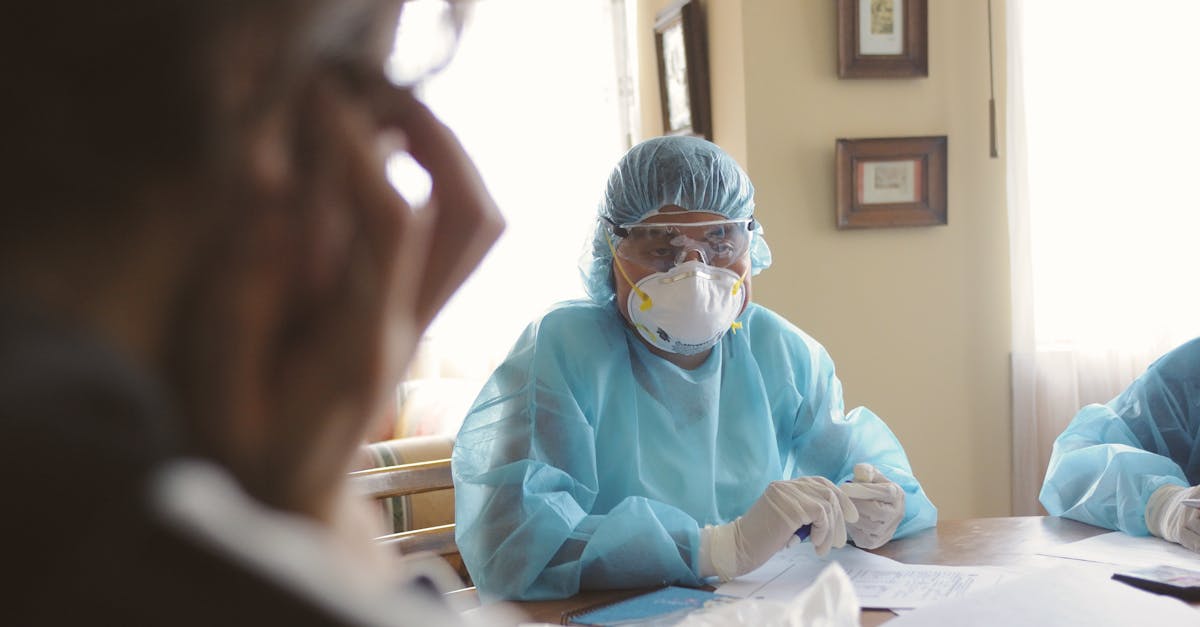
Albuquerque faces significant challenges in healthcare access. Efforts to alleviate these include mobile clinics and telehealth services.
In the heart of New Mexico, Albuquerque stands as a microcosm of a broader national challenge: providing equitable healthcare access to underserved communities. While the city is renowned for its rich cultural tapestry and scenic landscapes, it is also home to significant healthcare disparities. For residents in low-income neighborhoods and rural areas, accessing quality medical services can be a daunting task, hindered by a lack of resources and systemic barriers.
Barriers to Care in Albuquerque
Albuquerque is marked by a diverse population, with a significant number of Hispanic, Native American, and other minority residents who often face critical barriers to accessing healthcare. Language differences, cultural misconceptions, and financial constraints are prevalent issues. The US Census Bureau indicates that approximately 18% of Albuquerque's population lives below the poverty line, exacerbating the struggle for these communities to access necessary medical care.
Transportation remains a considerable obstacle. Many residents in the city’s outskirts and rural areas lack reliable means to reach healthcare facilities. This is coupled with a shortage of healthcare providers, as noted by the Health Resources and Services Administration (HRSA), which designates parts of Albuquerque as Health Professional Shortage Areas (HPSAs).
Innovative Solutions and Community Efforts
To address these shortcomings, local healthcare systems have begun implementing innovative solutions. Presbyterian Healthcare Services, one of the largest providers in New Mexico, has rolled out mobile clinics that travel to underserved neighborhoods, offering routine check-ups, vaccinations, and preventive screenings.
Telehealth is another pivotal component in bridging the gap. With the advent of COVID-19, the adoption of telehealth services accelerated, supported by federal policies that expanded Medicaid and Medicare coverage for virtual visits. Telehealth provides a lifeline for patients who face geographical and logistical barriers, allowing them to consult with healthcare professionals without the need for physical travel.
Federal and State-Level Support
The federal government plays a crucial role in supporting these initiatives. The Centers for Medicare & Medicaid Services (CMS) continue to expand telehealth reimbursements, a move that significantly benefits Albuquerque’s low-income residents reliant on government-funded health programs. Additionally, the Affordable Care Act (ACA) has been instrumental in reducing the uninsured rate, although there is still work to be done to ensure comprehensive coverage and access.
On the state level, New Mexico has been proactive in expanding Medicaid under the ACA, providing coverage to thousands who would otherwise remain uninsured. However, the challenge of retaining healthcare professionals in rural and underserved areas persists, necessitating continued investment in education and training programs to bolster the local workforce.
Community Health Workers as Catalysts
Community health workers (CHWs) have emerged as vital contributors to improving healthcare access. These workers, often from the communities they serve, provide culturally competent care and bridge the trust gap between residents and the healthcare system. In Albuquerque, CHWs are instrumental in outreach efforts, education, and connecting individuals to available resources.
The New Mexico Department of Health partners with local organizations to train and deploy CHWs, emphasizing preventive care and chronic disease management, crucial for reducing emergency room visits and hospitalizations.
As Albuquerque continues to navigate the complexities of healthcare access, it serves as a case study for other American cities facing similar challenges. The integration of technology, community-driven initiatives, and supportive policy frameworks underscore the potential for meaningful progress. By prioritizing these strategies, Albuquerque could not only improve health outcomes for its underserved populations but also offer a replicable model for nationwide application.