
What Is Guttate Psoriasis
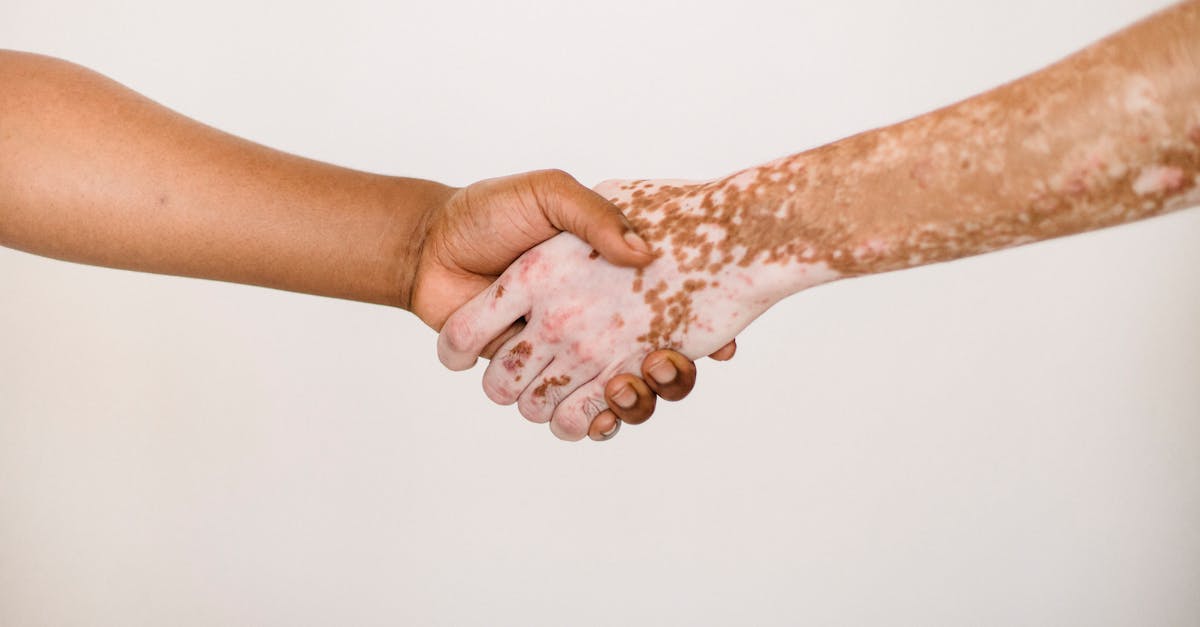
Guttate psoriasis is a distinct form of skin condition.
Guttate psoriasis is a distinct type of psoriasis, characterized by small, drop-shaped lesions that typically appear on the trunk, arms, legs, and scalp. Unlike other forms of psoriasis, which can develop slowly and manifest as thick, red patches covered with silver scales, guttate psoriasis often arises suddenly, often following an infection. This article delves into the basics of guttate psoriasis, its causes, symptoms, and common triggers, offering a comprehensive overview of the condition.
Understanding the Basics of Guttate Psoriasis and Its Causes
Guttate psoriasis is a relatively common form of psoriasis, particularly among children and young adults. It is categorized as a type of inflammatory skin condition that is part of the broader psoriasis spectrum. The name "guttate" is derived from the Latin word "gutta," meaning "drop," which aptly describes the small, drop-like lesions that characterize this condition. The lesions are usually seen as red, scaly spots on the skin and can sometimes be mistaken for other skin disorders.
The exact cause of guttate psoriasis remains complex and multifactorial. Genetic predisposition plays a significant role, as individuals with a family history of psoriasis are at a higher risk of developing the condition. Environmental triggers, such as bacterial infections—particularly streptococcal throat infections—are also frequently implicated. In some cases, a sudden outbreak of guttate psoriasis may occur after an individual experiences a significant stressor or injury to the skin.
Additionally, other factors such as weather changes, alcohol consumption, and certain medications may contribute to the onset of guttate psoriasis. The interplay between these various elements highlights the importance of understanding individual risk factors and potential triggers for those affected by the condition.
Common Symptoms and Triggers of Guttate Psoriasis Explained
The hallmark symptoms of guttate psoriasis include the appearance of numerous small, red spots, often accompanied by itching or discomfort. These lesions can vary in size, typically ranging from 1 to 10 millimeters in diameter, and are often surrounded by a fine scale, which can be more pronounced than in other forms of psoriasis. In some cases, these lesions may also merge, creating larger patches of affected skin, which can lead to confusion with other dermatological conditions.
Triggers for guttate psoriasis are diverse, with infections being one of the most significant factors. Streptococcal throat infections are often mentioned as a primary trigger, leading to a sudden outbreak of guttate lesions. Other infections, such as respiratory or skin infections, may serve a similar role. Beyond infections, environmental factors like stress, changes in climate, and excessive alcohol consumption can exacerbate or provoke flare-ups in susceptible individuals.
Understanding one's specific triggers can be crucial for managing guttate psoriasis. For instance, maintaining good hygiene, managing stress levels, and seeking timely treatment for infections can potentially reduce the frequency and severity of outbreaks. While guttate psoriasis can be a challenging condition to navigate, awareness of its symptoms and triggers can empower individuals to better manage their skin health.
Guttate psoriasis is a complex condition that necessitates a comprehensive understanding of its symptoms and underlying causes. While it is primarily associated with genetic and environmental triggers, the experience of each individual may vary significantly. Increased awareness and education about guttate psoriasis can help those affected make informed choices regarding their health. As always, individuals experiencing symptoms are encouraged to consult with healthcare professionals for guidance tailored to their unique circumstances.