
Mental health care for refugees and migrants
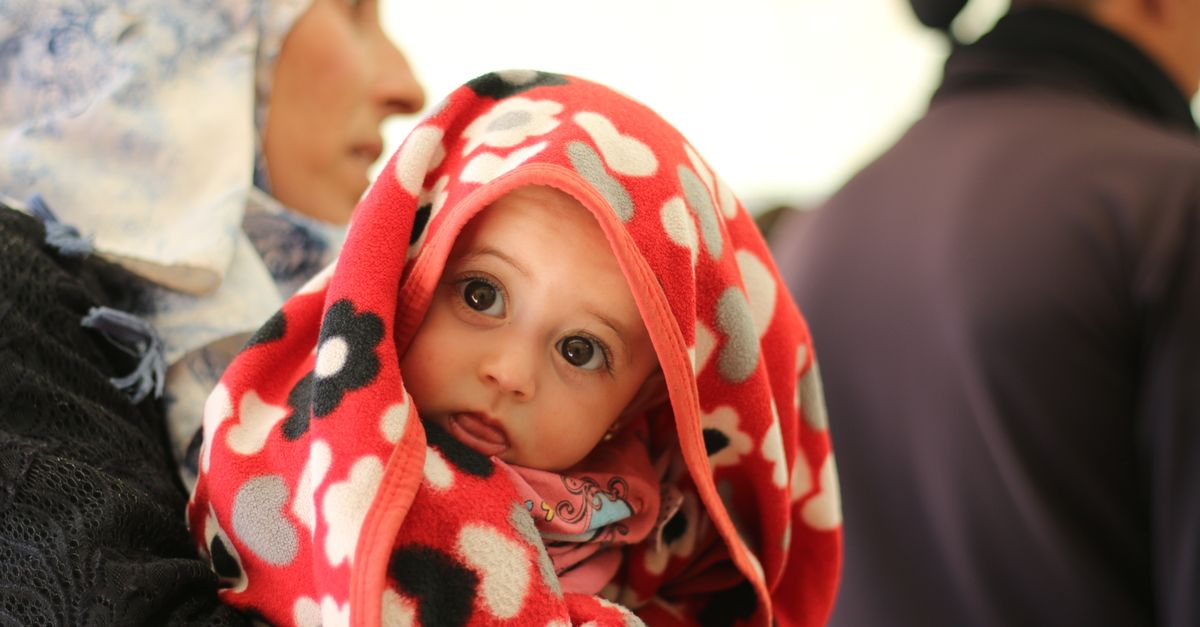
Addressing mental health needs of refugees and migrants.
The mental health of refugees and migrants is an increasingly important area of focus in global health discussions. As individuals fleeing conflict, persecution, and poverty, refugees and migrants often face a myriad of mental health challenges that stem from their traumatic experiences and the complexities of resettlement. Addressing these challenges is paramount not only for the individuals affected but also for the communities in which they settle. This article delves into the unique mental health challenges faced by refugees and migrants and explores effective strategies to enhance their access to mental health care.
Understanding the Unique Mental Health Challenges Faced by Refugees and Migrants
The unique mental health challenges faced by refugees and migrants are deeply rooted in their experiences before, during, and after migration. Many refugees have experienced severe trauma, including violence, torture, and the loss of loved ones, which can lead to conditions such as post-traumatic stress disorder (PTSD). The psychological impact of such experiences can be exacerbated by the stress of displacement, where individuals must navigate not only the memories of their past but also the uncertainties of their present and future. The cumulative effects of these traumatic experiences can render refugees particularly vulnerable to anxiety and depression.
In addition to pre-existing trauma, the resettlement process itself often presents numerous challenges that can adversely affect mental health. Refugees and migrants may struggle with cultural dislocation, feeling disconnected from their cultural identity while trying to adapt to a new environment. This can lead to feelings of alienation and reduce their sense of belonging in their new communities. Furthermore, language barriers can hinder communication and limit access to essential services, including mental health care. The inability to express their thoughts and feelings can exacerbate feelings of isolation and frustration, contributing to a decline in mental well-being.
Social determinants of health also play a crucial role in shaping the mental health landscape for refugees and migrants. Economic instability, limited access to education and employment opportunities, and social exclusion can create additional stressors that negatively impact mental health. The stigma surrounding mental health issues may further discourage individuals from seeking help, leading to an underreporting of these conditions. Understanding this complex interplay of factors is essential for developing effective mental health care interventions and support systems tailored to the specific needs of refugees and migrants.
Strategies for Enhancing Mental Health Care Access for Refugees and Migrants
To enhance mental health care access for refugees and migrants, it is vital to implement a multifaceted approach that addresses the unique barriers they face. One of the first steps is to expand the availability of culturally competent mental health services. Training healthcare professionals in cultural sensitivity can significantly improve the quality of care provided. This includes understanding the cultural backgrounds, values, and beliefs of refugees and migrants, as well as being aware of the stigma associated with mental health in their communities. Providing interpreters or bilingual professionals can also help overcome language barriers, making it easier for individuals to communicate their needs and seek support.
Community-based mental health programs are another effective strategy for reaching refugees and migrants. These programs can foster trust and reduce the stigma associated with seeking help by operating within familiar community settings. By utilizing culturally relevant practices and outreach initiatives, these programs can engage individuals who may be hesitant to access traditional medical settings. Building partnerships with local organizations and leaders can further enhance outreach and create a supportive network that encourages refugees and migrants to seek mental health care.
Integrating mental health services with primary health care is an additional strategy that can facilitate better access for refugees and migrants. By co-locating services, individuals can receive holistic care that addresses both physical and mental health needs in a single visit. This approach can reduce the stigma associated with seeking mental health support, as individuals may be more comfortable accessing care for physical ailments. Ultimately, by prioritizing accessibility, cultural competence, and community involvement, we can create a more inclusive mental health care system that supports the resilience and well-being of refugees and migrants.
The mental health care needs of refugees and migrants are pressing and require concerted efforts from healthcare providers, policymakers, and communities at large. Understanding the unique challenges faced by these populations is the first step toward implementing effective care strategies. By fostering culturally competent services, enhancing access through community engagement, and integrating mental health into primary care, we can significantly improve the mental health outcomes for refugees and migrants. These efforts are not only essential for the well-being of individuals but also for promoting social cohesion and resilience within our diverse communities. Addressing mental health in these vulnerable populations is an investment in a healthier, more inclusive society for everyone.