8 foods that lower cholesterol without medicine
Discover eight delicious foods that help lower cholesterol naturally.

Healthcare & wellness News Portal
Health Tips & Advice
Discover eight delicious foods that help lower cholesterol naturally.
Boost your lung health with these five powerful foods.
Boost your fertility with these essential foods for men.
Discover 5 foods that can help shield your skin from allergies.
Discover six nutrient-packed foods to boost your hair health.
Discover five foods that can ease your PMS discomfort.
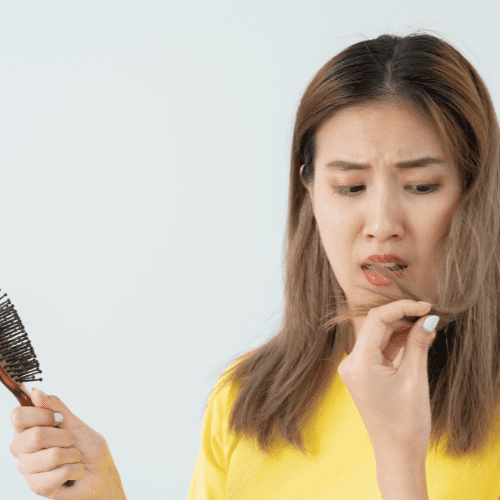
Hair fall is a common concern for many individuals, and understanding what constitutes normal hair loss is essential for determining when to seek professional advice. On average, it is considered normal to lose 50 to 100 strands of hair per day due to the natural hair growth cycle. Factors such as age, genetics, and hormonal changes can influence this rate. However, if you notice a significant increase in hair loss, thinning patches, or excessive shedding that persists over several weeks, it may be indicative of an underlying condition. In such cases, consulting a dermatologist or trichologist is advised to explore potential causes and treatment options.
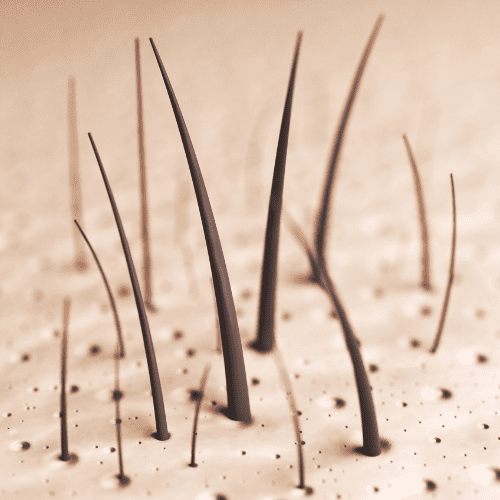
Understanding the hair growth cycle is essential for comprehending how hair develops and changes over time. This cycle consists of three primary phases: anagen, catagen, and telogen. The anagen phase is the active growth stage, lasting several years, during which hair follicles produce new cells that form the hair shaft. Following this is the catagen phase, a transitional period lasting a few weeks where growth ceases and the follicle shrinks. Finally, the telogen phase is the resting stage lasting several months, after which the hair falls out and the cycle restarts. Factors such as genetics, health, and nutrition can significantly influence the duration and quality of each phase.
In recent years, hair loss has emerged as a prevalent concern among young Indian men, with factors such as genetics, lifestyle, and environmental influences playing significant roles. The increasing incidence of stress, attributed to academic and professional pressures, has been identified as a primary catalyst for hair thinning and loss. Additionally, poor dietary choices, characterized by a lack of essential nutrients, exacerbate the issue. Urbanization and pollution further contribute to scalp conditions that promote hair fall. Understanding these factors is crucial for developing effective prevention and treatment strategies tailored to this demographic.
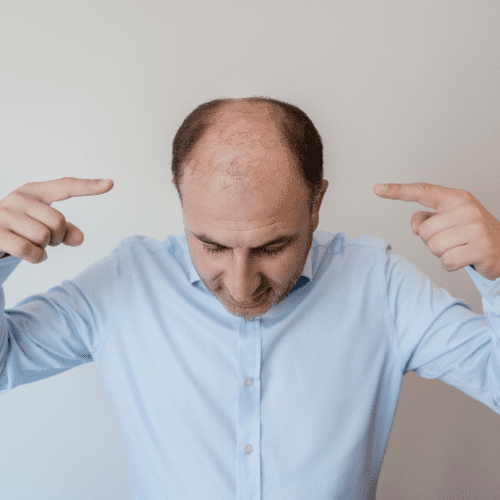
Male pattern baldness, clinically known as androgenetic alopecia, is a common form of hair loss affecting a significant proportion of men as they age. The condition is primarily driven by genetic factors and hormonal influences, particularly the action of dihydrotestosterone (DHT), a derivative of testosterone. DHT binds to androgen receptors in hair follicles, leading to their miniaturization and the shortening of the hair growth cycle. This process results in thinner hair and eventual cessation of growth. Understanding the underlying mechanisms is crucial for developing effective treatments, such as DHT inhibitors and hair transplantation techniques.