
Diseases & Conditions
102 posts · page 8 of 11

Is Styling Gel Damaging Your Hair?
Styling gel has long been a staple in the arsenal of hair care products, offering hold and structure to various hairstyles. However, concerns have emerged regarding its potential damaging effects on hair health. Many gels contain alcohol and other harsh chemicals that can lead to dryness, brittleness, and breakage over time. Furthermore, the accumulation of product can obstruct hair follicles, potentially hindering growth. To mitigate these risks, it is advisable to use gels sparingly and choose alcohol-free formulas. Regular cleansing and deep conditioning treatments can also help maintain hair vitality and mitigate any adverse effects.

Impact of Harsh Hairstyles on Hairline
The impact of harsh hairstyles on the hairline has become a significant concern in dermatology and cosmetic health. Hairstyles that exert excessive tension on the hair follicles, such as tight ponytails, braids, and weaves, can lead to a condition known as traction alopecia. This form of hair loss is characterized by gradual thinning along the hairline, often resulting in a receding appearance. Prolonged use of such styles can cause damage to the hair follicles, leading to irreversible loss if not addressed promptly. It is essential for individuals to balance aesthetic preferences with hair health, opting for looser styles and incorporating rest periods to mitigate damage.

Is Finasteride Safe for Long-Term Use?
Finasteride, a medication primarily used to treat benign prostatic hyperplasia (BPH) and male pattern baldness, has garnered attention regarding its long-term safety profile. Clinical studies indicate that finasteride is generally well-tolerated, with most side effects being mild and reversible upon discontinuation. However, concerns about potential long-term adverse effects, such as sexual dysfunction and mood alterations, have emerged. Ongoing research aims to clarify these risks, particularly for patients on extended regimens. It is essential for individuals considering finasteride to consult healthcare professionals for personalized guidance, considering both benefits and risks.
Side Effects of Hair Loss Treatments Men Ignore
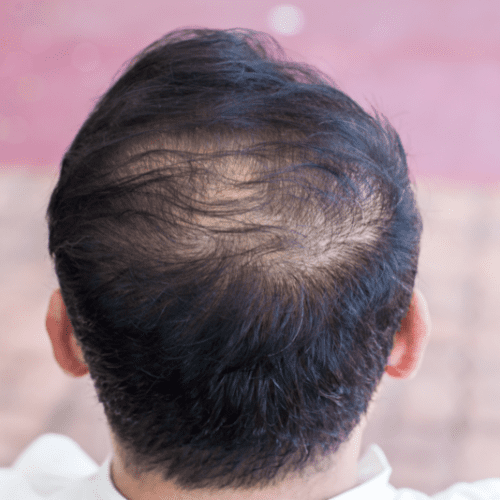
While many men seek hair loss treatments to restore their confidence and appearance, it is crucial to be aware of potential side effects that are often overlooked. Common treatments such as minoxidil and finasteride may lead to unintended consequences. Users of minoxidil may experience scalp irritation or unwanted hair growth in areas beyond the scalp, while finasteride can cause sexual dysfunction and mood alterations. Additionally, some treatments may result in an initial shedding phase, which can be disheartening. Understanding these side effects is essential for making informed decisions about hair loss management.

Laser Helmets for Hair Regrowth: Do They Work?
Laser helmets for hair regrowth have emerged as a popular non-invasive treatment option for individuals experiencing hair thinning and loss. Utilizing low-level laser therapy (LLLT), these devices aim to stimulate hair follicles and promote increased blood circulation to the scalp. Clinical studies indicate that LLLT can enhance hair density and thickness in some patients, although results vary based on individual factors such as the underlying cause of hair loss and adherence to treatment protocols. While many users report positive outcomes, it is essential to approach these devices with realistic expectations and consult a healthcare professional before starting treatment.

Is Homeopathy Effective for Hair Loss?
Homeopathy, a system of alternative medicine based on the principle of "like cures like," has gained popularity for treating various conditions, including hair loss. Proponents argue that homeopathic remedies can stimulate the body's healing processes and restore hair growth by addressing underlying imbalances. However, scientific evidence supporting the efficacy of homeopathy for hair loss remains limited and controversial. Clinical studies often highlight the placebo effect, leading many experts to recommend more conventional treatments backed by robust research. Individuals experiencing hair loss should consult healthcare professionals to explore evidence-based options.

Can You Regrow Hair Naturally Without Drugs?
The quest for natural hair regrowth has garnered significant interest as individuals seek alternatives to pharmaceutical solutions. While the efficacy of natural remedies varies, several options have shown promise. Essential oils, such as rosemary and peppermint, are believed to enhance circulation to the scalp, potentially stimulating hair follicles. Nutritional factors also play a crucial role; a diet rich in vitamins A, C, D, E, and minerals like zinc and iron can support hair health. Additionally, practices such as scalp massage may promote blood flow, further aiding in follicle revitalization. However, results can be inconsistent, and it is advisable to consult with a healthcare professional before initiating any new treatment regimen.

PRP Therapy for Hair Loss: Worth It or Not?
Platelet-Rich Plasma (PRP) therapy has emerged as a promising treatment for hair loss, particularly androgenetic alopecia. This minimally invasive procedure involves drawing a small amount of the patient’s blood, which is then processed to isolate the platelet-rich plasma. The concentrated platelets are injected into the scalp, with the aim of stimulating hair follicles and promoting growth. While some studies and anecdotal evidence suggest positive outcomes, results can vary widely among individuals. Potential side effects, costs, and the need for multiple sessions raise questions about the therapy's overall efficacy and value. Therefore, a thorough consultation with a qualified professional is essential to determine if PRP therapy is a suitable option for hair restoration.
Ayurvedic vs. Allopathic Treatments for Baldness
The quest for effective baldness treatment has led to a comparative analysis of Ayurvedic and allopathic approaches, each grounded in distinct medical philosophies. Ayurvedic medicine, rooted in ancient Indian traditions, emphasizes holistic healing, utilizing natural herbs, dietary adjustments, and lifestyle modifications to foster scalp health and promote hair growth. In contrast, allopathic treatments focus on scientifically validated methods, including pharmaceuticals and surgical interventions like hair transplants. While Ayurvedic remedies often aim for long-term wellness and balance, allopathic solutions typically provide quicker, albeit temporary, results. Understanding these differences is crucial for individuals seeking tailored strategies for managing baldness.

Is It Time to Shave It All Off?
In recent years, the trend of shaving one's head has sparked widespread discussion, prompting individuals to contemplate whether it is time to embrace this bold choice. Shaving one's hair can symbolize a fresh start, a break from societal norms, or even a personal statement of empowerment. However, before making this significant alteration, it is essential to consider various factors. These include the implications for personal identity, potential changes in self-image, and the practicality of maintenance. Consulting with professionals and reflecting on one's motivations can provide clarity, ensuring that this decision aligns with individual values and lifestyle preferences.