
Diseases & Conditions
102 posts · page 4 of 11

Is College Stress Causing Your Hair to Fall?
The correlation between college stress and hair loss is a topic of growing concern among students. High academic demands, social pressures, and financial worries can contribute to significant stress levels, which may trigger a condition known as telogen effluvium. This temporary hair loss occurs when stress pushes a large number of hair follicles into a resting phase, leading to increased shedding. While it is vital to address the underlying stressors through effective stress management techniques—such as mindfulness, exercise, and time management—consulting a healthcare professional is advisable if hair loss persists, ensuring a comprehensive approach to both mental health and physical well-being.

Can Early Hair Loss Be Reversed?
Early hair loss, often a distressing experience for many, raises the question of whether it can be effectively reversed. Scientific research indicates several potential approaches to mitigate or even reverse the effects of early hair thinning. Treatments such as minoxidil and finasteride have shown efficacy in stimulating hair regrowth in some individuals. Additionally, lifestyle modifications, including a balanced diet rich in vitamins and minerals, may support hair health. Emerging therapies, such as platelet-rich plasma (PRP) injections and low-level laser therapy, also offer promising results. However, it is crucial to consult with a healthcare professional for personalized advice and to determine the most appropriate course of action.

Why Are So Many Men in Their 20s Losing Hair?
In recent years, an increasing number of men in their 20s have reported experiencing hair loss, prompting concerns and inquiries about this unsettling trend. Various factors contribute to this phenomenon, including genetics, hormonal changes, and lifestyle choices. Androgenetic alopecia, commonly known as male pattern baldness, is primarily hereditary and can manifest in young adulthood. Additionally, stress, poor nutrition, and environmental factors may exacerbate hair thinning. Understanding these influences is crucial for early intervention and management, allowing affected individuals to explore treatment options and mitigate further loss.

Spot Baldness in Men: Signs and Remedies
Spot baldness, medically known as alopecia areata, is a common condition that affects many men, characterized by the sudden loss of hair in round patches. This autoimmune disorder occurs when the immune system mistakenly attacks hair follicles, leading to hair loss that can vary in severity. Key signs include smooth, circular bald spots on the scalp or other areas of the body. While the exact cause remains unclear, genetic predisposition and environmental triggers may play a role. Treatment options range from topical corticosteroids to immunotherapy, aimed at stimulating hair regrowth. Early intervention can improve outcomes, making awareness crucial for affected individuals.

Is Your Beard Growing but Not Your Scalp Hair?
The phenomenon of facial hair growth, particularly beard development, alongside a lack of scalp hair can be perplexing for many individuals. This condition may be attributed to a variety of factors, including hormonal imbalances, particularly involving dihydrotestosterone (DHT), a derivative of testosterone known to impact hair follicles differently across the body. Genetic predisposition also plays a significant role; certain individuals may inherit characteristics that promote beard growth while experiencing male or female pattern baldness. Understanding these dynamics is essential for those seeking solutions or wishing to comprehend their hair growth patterns comprehensively.
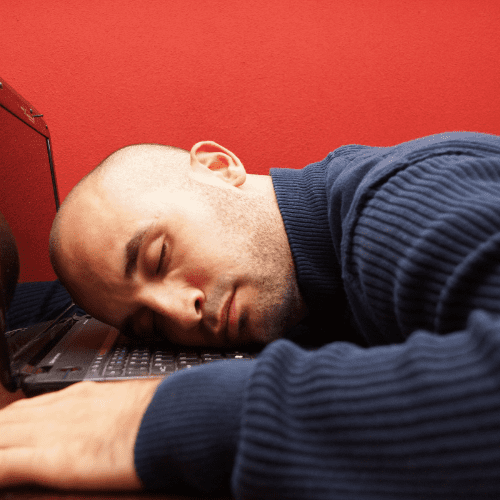
Can Sleep Deprivation Make You Bald?
Sleep deprivation has increasingly been linked to various health issues, including potential effects on hair health. While the direct correlation between lack of sleep and baldness remains a subject of ongoing research, there are several mechanisms through which insufficient sleep may contribute to hair loss. Chronic sleep deprivation can lead to increased levels of stress hormones, such as cortisol, which have been shown to disrupt the hair growth cycle. Additionally, impaired sleep can hinder the body’s ability to repair and regenerate, potentially affecting hair follicles. As a result, prioritizing adequate sleep may be essential not only for overall well-being but also for maintaining healthy hair.

Does Wearing Helmets Lead to Hair Fall?
The relationship between helmet use and hair loss has garnered significant attention, particularly among motorcyclists and cyclists. While some individuals report increased hair fall when wearing helmets, scientific evidence does not conclusively support this claim. Helmets can cause friction and tension on the scalp, which may lead to traction alopecia, a condition characterized by hair loss resulting from persistent pulling. However, this is typically associated with prolonged, tight helmet use rather than casual wear. To mitigate potential hair issues, ensuring a proper fit and limiting helmet use to necessary situations is advisable. Regular scalp hygiene can also help maintain hair health.

How Hormonal Imbalances in Your 20s Affect Hair
Hormonal imbalances in your 20s can significantly impact hair health, leading to issues such as thinning, excessive shedding, or changes in texture. During this developmental stage, fluctuations in hormones—particularly androgens like testosterone and estrogen—can disrupt the hair growth cycle. Conditions such as polycystic ovary syndrome (PCOS) may exacerbate these imbalances, resulting in increased hair loss. Additionally, stress and lifestyle choices can influence hormonal levels, further affecting hair vitality. Understanding these connections is crucial for addressing hair concerns and promoting a healthier scalp environment.

Does Masturbation Cause Hair Loss? Busting the Myth
The belief that masturbation causes hair loss is a prevalent myth that has persisted for decades, often rooted in misconceptions about human sexuality and health. Scientifically, there is no evidence to support a direct link between masturbation and hair loss. Hair loss, or androgenetic alopecia, is primarily influenced by genetic factors and hormonal changes, particularly dihydrotestosterone (DHT). While certain lifestyle choices can impact hair health, such as poor nutrition and stress, masturbation does not contribute to hair loss. Understanding the distinction between myth and fact is crucial for promoting a healthier perspective on sexual health.

How Gym Supplements May Contribute to Balding
Recent studies have begun to explore the potential link between gym supplements and hair loss, specifically androgenetic alopecia, commonly known as male or female pattern baldness. Many fitness enthusiasts turn to supplements, such as anabolic steroids or testosterone boosters, to enhance muscle growth and performance. However, these substances can lead to hormonal imbalances that may accelerate hair thinning. Increased levels of dihydrotestosterone (DHT), a byproduct of testosterone, have been directly associated with the miniaturization of hair follicles. As awareness grows, individuals should consider the long-term effects of these supplements on their overall health, including hair vitality.