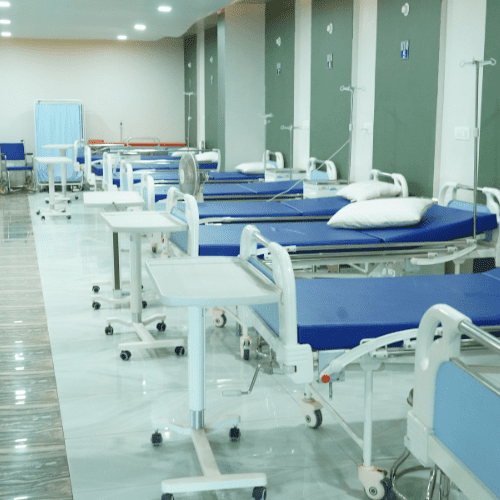

The demand for kidney transplants has escalated in recent years, highlighting the urgent need for robust infrastructure in public health systems. Efficient kidney transplant units are essential not only for the successful execution of transplant surgeries but also for long-term patient care and follow-up. In order to meet these demands, significant investment in infrastructure development is necessary to ensure accessibility, quality of care, and sustainability in these critical health services.
Enhancing Facilities for Efficient Kidney Transplant Services
To effectively meet the rising demand for kidney transplants, enhancing facilities within public kidney transplant units is paramount. This involves not only upgrading the physical spaces where surgeries take place but also ensuring that ancillary services such as pre-operative assessments and post-operative care are integrated into a seamless patient experience. By creating dedicated surgical suites equipped with cutting-edge technology, we can improve the precision and outcomes of transplant procedures.
Moreover, enhancing facilities also means investing in specialized training for healthcare professionals. A well-trained staff is crucial for the success of transplant units, as they are responsible for both the surgical and the ongoing care of patients. This can be achieved through targeted training programs, workshops, and collaborations with established transplant centers. When healthcare professionals are equipped with the latest knowledge and skills, they can provide a higher quality of care, which is essential for patient recovery and long-term success.
Finally, the patient experience should always be at the forefront of facility enhancements. Creating a welcoming environment that includes comfortable waiting areas, educational resources, and support services can significantly reduce the anxiety often associated with medical procedures. By paying attention to the psychological and emotional needs of patients, public kidney transplant units can foster a more holistic approach to care, ultimately leading to better health outcomes.
Building Sustainable Infrastructure in Public Health Systems
Building sustainable infrastructure in public health systems is not merely about physical buildings; it encompasses a comprehensive approach to resource management, technology integration, and community involvement. To ensure that kidney transplant units can operate efficiently over the long term, investments must be made in renewable energy sources, waste management systems, and information technology. This ensures that the facilities not only serve their immediate purpose but also contribute to a healthier environment and community.
Furthermore, collaboration with various stakeholders, including governmental bodies, non-profits, and private sector partners, is crucial for developing a sustainable infrastructure. Public-private partnerships can provide the necessary funding and expertise to enhance kidney transplant units. By leveraging resources from multiple sources, public health systems can develop a more resilient framework that can adapt to future challenges, such as increasing patient demand or evolving medical technologies.
Community engagement also plays a vital role in building sustainable infrastructure. Educational programs that raise awareness about kidney health, organ donation, and the importance of transplantation can foster a supportive environment for patients and families. When communities are invested in the success of these health systems, they can contribute to the long-term sustainability of kidney transplant units by encouraging donor registrations and participating in funding initiatives.
In conclusion, infrastructure development for public kidney transplant units is essential for addressing the growing need for kidney transplantation services. By enhancing facilities, fostering specialized training for healthcare professionals, and engaging communities, we can create a sustainable and effective framework for kidney health. As we move forward, it is imperative that stakeholders collaborate to ensure that these vital services are accessible, efficient, and capable of meeting the challenges of tomorrow. Investing in public kidney transplant infrastructure not only saves lives but also strengthens the overall public health system.