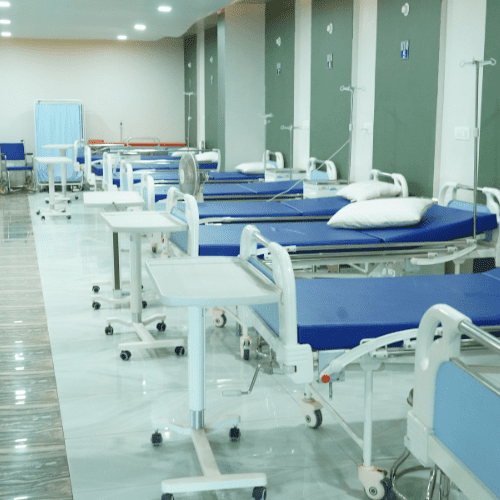

In recent years, India has been on a transformative journey in healthcare, aiming to provide accessible and affordable services to its vast population. One of the cornerstone initiatives in this regard has been the development of Ayushman Bharat Health and Wellness Centres (HWCs). Launched in 2018, this program is designed to enhance primary healthcare services across the country, particularly in rural and semi-urban areas. By focusing on preventive healthcare, the HWCs are poised to revolutionize how healthcare is delivered and accessed in India.
Transforming Healthcare Access: The Rise of HWCs in India
The Ayushman Bharat program is a monumental step towards realizing the Vision of Health for All in India. With the establishment of 1.5 lakh Health and Wellness Centres, the initiative aims to bridge the gap in healthcare access, especially for marginalized sections of society. These centres not only provide essential medical services but also emphasize preventive healthcare, ensuring that communities are better equipped to manage illnesses before they escalate. By placing a strong focus on health promotion and disease prevention, HWCs aim to address the root causes of health issues rather than merely treating symptoms.
Moreover, these centres serve as a vital link between the community and the public health system. They are designed to empower local populations by involving them in health decision-making processes. Community health workers, often from the same locality, play a crucial role in educating residents about healthy practices, maternal and child health, and managing chronic diseases. This community-centric approach fosters a sense of ownership among the residents and encourages them to take an active role in their health.
The impact of HWCs goes beyond mere healthcare provision; they are also instrumental in collecting health data, which can inform policy and program development. With better data on health trends and challenges faced by communities, the government can tailor its healthcare initiatives more effectively. Furthermore, the emphasis on integrating traditional Indian systems of medicine, such as Ayurveda and Yoga, alongside modern healthcare practices, makes HWCs a holistic approach to health and wellness.
Key Features and Impact of Ayushman Bharat Health Centres
One of the defining features of Ayushman Bharat HWCs is their comprehensive service offerings. Each centre is equipped to provide a range of services, including maternal and child health care, treatment for communicable and non-communicable diseases, mental health support, and wellness checks. This all-in-one approach means that individuals can receive care for various health issues in their own communities, reducing the need for costly and time-consuming travel to distant hospitals. The availability of diagnostic services and essential medicines further strengthens the capacity of HWCs to provide quality care.
Another significant aspect of HWCs is the focus on integrating technology into healthcare delivery. Telemedicine and digital health records are increasingly being adopted, enabling healthcare providers to reach patients remotely and maintain accurate health records. This not only enhances the efficiency of service delivery but also ensures continuity of care, particularly for chronic disease management. By leveraging technology, HWCs are setting a precedent for modern healthcare practices that can be replicated in various contexts.
The societal impact of HWCs is profound, as they promote health equity and aim to reduce health disparities. By prioritizing vulnerable populations, such as women, children, and the elderly, HWCs strive to create a more inclusive healthcare environment. The initiative has the potential to significantly improve health outcomes in underserved regions, ultimately contributing to the overall socio-economic development of the country. As more HWCs become operational, their success will be pivotal in shaping the future of healthcare in India.
The development of Ayushman Bharat Health and Wellness Centres marks a significant milestone in India’s journey toward universal health coverage. By focusing on primary healthcare, preventive measures, and community involvement, these centres are set to transform healthcare access and quality across the nation. As they continue to expand and evolve, HWCs will not only improve individual health outcomes but also enhance the resilience and sustainability of the public health system in India. The vision of a healthier nation is no longer a distant dream; with initiatives like HWCs, it is becoming a tangible reality.